Table of Contents
- The Role of Exercise in Everyday Health
- Why Exercise Matters More Than Ever
- The Modern Sedentary Trap
- Small Moves, Big Returns
- What Counts as Exercise?
- Formal Workouts vs. Daily Movement
- The “Exercise Snack” Approach
- The Physical Benefits You Can Feel Fast
- Heart Health and Circulation
- Strength, Mobility, and Joint Comfort
- Weight Management Without the Hype
- The Mental and Emotional Payoff
- Stress, Mood, and Brain Fog
- Exercise as a Moving Meditation
- Exercise and Long-Term Disease Prevention
- Metabolic Health and Blood Sugar
- Bone Density and Healthy Aging
- How Much Exercise Do You Really Need?
- The Minimum Effective Dose
- Building a Weekly Routine That Sticks
- Common Exercise Myths That Need to Go
- “No Pain, No Gain”
- “I’m Too Old to Start”
- Practical Ways to Move More Every Day
- Habit Stacking and Micro-Workouts
- Making Movement Social and Fun
- Staying Consistent When Motivation Fades
- Progress Over Perfection
- The Two-Minute Rule
- Conclusion: Your Everyday Health Is Built in Everyday Motion
- FAQs About Exercise and Everyday Health
- How much exercise is enough for a beginner?
- Can daily movement really improve health?
- What if I hate traditional workouts?
- Is it better to exercise in the morning or evening?
- How do I stay active when I’m busy?
- Why Exercise Matters More Than Ever
The Role of Exercise in Everyday Health
Exercise has a reputation problem. Many people picture it as a sweaty, complicated project that belongs in a gym, not in real life. But everyday health is not built on perfect workouts. It is built on movement you can repeat, enjoy, and fit into the life you actually live. Think of exercise as compound interest for your body: small deposits of movement add up to a healthier heart, a clearer head, stronger muscles, and more energy for the things you love.
So where does exercise fit into everyday health? Everywhere. It shapes how you feel when you wake up, how well you handle stress, how stable your energy is through the afternoon, and how resilient your body becomes over time. You do not need to become an athlete. You need to move with a little more intention, a little more often, and with a lot more kindness toward yourself.
Why Exercise Matters More Than Ever
Modern life is comfortable in ways our bodies were not designed for. We sit for commutes, sit at desks, sit through meetings, and then sit on the couch to recover from all that sitting. Convenience is wonderful, but it quietly removes movement from the day. Exercise helps put some of that movement back.
The Modern Sedentary Trap
The trap is not that anyone is lazy. The trap is that daily life no longer requires much physical effort. You can order food, answer messages, and finish work without standing up. That means movement has to become a choice rather than an accident. Once you see that clearly, the goal changes. You are not trying to punish yourself for sitting. You are trying to interrupt long stretches of stillness with simple, repeatable activity.
Small Moves, Big Returns
A ten-minute walk after lunch may not look impressive, but it can improve digestion, lift your mood, and break up a day of sitting. A short strength session twice a week can help your back, knees, and posture. A few minutes of stretching can make your joints feel less like rusty hinges. The returns are not small just because the actions are small. Consistency turns tiny choices into noticeable change.
What Counts as Exercise?
Exercise is simply planned, structured movement done to improve health or fitness. But everyday health also benefits from unstructured movement: walking to the store, gardening, taking the stairs, playing with kids, or dancing in the kitchen. Both matter. The best kind of movement is the kind you will actually do again tomorrow.
Formal Workouts vs. Daily Movement
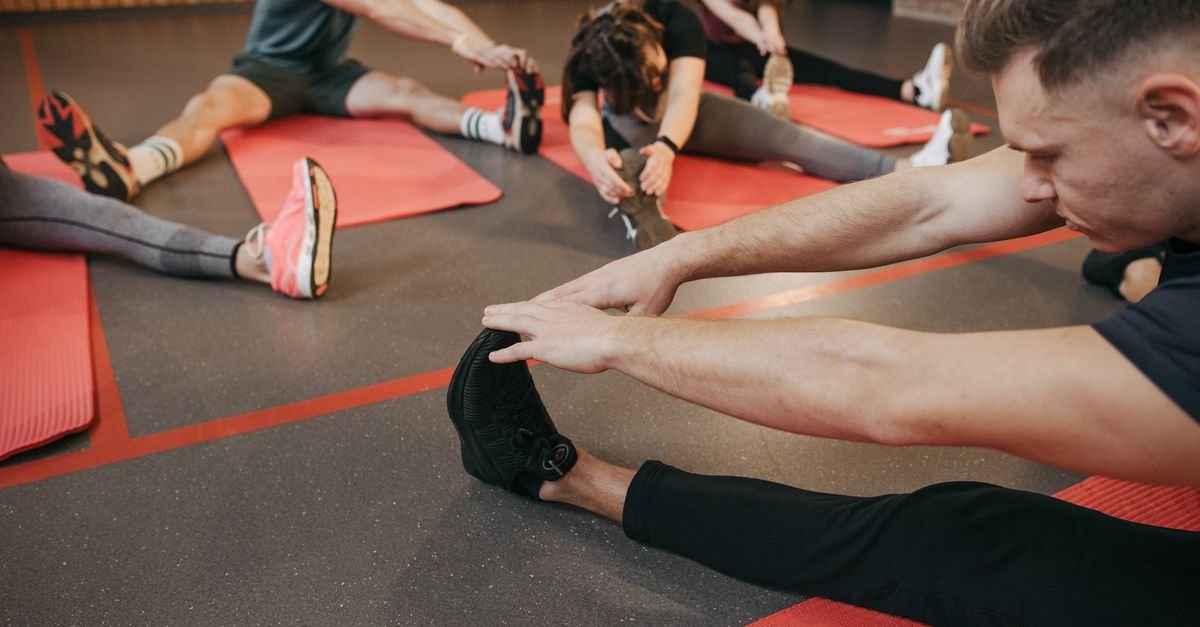
Formal workouts are useful because they are focused. You set aside time for strength, cardio, mobility, or flexibility. Daily movement is useful because it is woven into your routine. You do not need to choose one and reject the other. A structured workout can be the anchor, while daily movement keeps the ship moving on busy days. If you miss a workout, a brisk walk still counts. If you cannot walk, chair exercises still count. Movement is a spectrum, not a pass-or-fail test.
The “Exercise Snack” Approach
Exercise snacks are short bursts of movement spread through the day. Think of them as small, nutritious bites for your body. You might do ten squats while the kettle boils, take a five-minute walk after a phone call, or stretch for two minutes between meetings. Are these tiny sessions going to replace a full workout? Not always. But they are far better than nothing, and they make movement feel less intimidating. When your schedule is messy, exercise snacks keep the habit alive.
The Physical Benefits You Can Feel Fast
Some health benefits of exercise take months to show up. Others appear surprisingly quickly. Better sleep, steadier energy, and a lighter mood can show up after a single walk. That quick feedback matters because it gives you a reason to keep going. Your body is not waiting for perfection. It responds to the next good thing you do for it.
Heart Health and Circulation
Your heart is a muscle, and like any muscle, it gets stronger when you ask it to work. Regular movement helps your heart pump blood more efficiently and supports healthier blood pressure and circulation. You do not need to sprint until you see stars. A brisk walk, cycling, swimming, dancing, or even marching in place can get your heart rate up. Think of circulation as a river. Movement keeps the water flowing. Long sitting lets it become sluggish.
Strength, Mobility, and Joint Comfort
Strength training is not just for bodybuilders. It helps you carry groceries, climb stairs, get off the floor, and protect your joints. Mobility work keeps your body from feeling stiff and limited. When your muscles are strong and your joints move well, daily life feels easier. That is everyday health in action. You are not training for a competition. You are training for the ordinary moments that make up your life.
Weight Management Without the Hype
Exercise alone is rarely the whole story when it comes to weight. Food, sleep, stress, genetics, and medical conditions all play a role. But movement still matters. It burns energy, supports muscle mass, and helps your body manage blood sugar. More importantly, it improves health whether or not the scale moves. Do not reduce exercise to a number. Ask how it helps you feel, function, and live. That question is far more useful.
The Mental and Emotional Payoff
Exercise is not just a physical tool. It is a mental reset button. When you move, your body releases chemicals that can improve mood and reduce stress. You also get a sense of accomplishment, even if the workout was short. That combination can change the tone of an entire day.
Stress, Mood, and Brain Fog
Stress lives in the body as well as the mind. Movement gives all that restless energy somewhere to go. A walk can help you process a frustrating conversation. A strength session can make you feel capable when life feels messy. Even gentle movement can clear brain fog, especially when it gets your blood flowing and pulls you away from screens.
Exercise as a Moving Meditation
You do not need to sit cross-legged to practice mindfulness. Repetitive movement can be meditative. Walking, swimming laps, cycling, or even folding laundry with attention can calm the mind. The rhythm becomes a kind of anchor. Your thoughts come and go, but your feet keep moving. In a world full of notifications, that simple focus is a gift.
Exercise and Long-Term Disease Prevention
The benefits of movement stack up over years. Regular physical activity supports metabolic health, bone strength, and healthy aging. It does not make you invincible, but it gives your body more tools to handle whatever comes. Prevention is quiet. You rarely notice it happening. But future you will feel the difference.
Metabolic Health and Blood Sugar
Muscles use glucose for energy, and movement helps your body manage blood sugar more effectively. That is one reason a short walk after a meal can be helpful. You are giving your muscles a job to do. Over time, regular activity can support insulin sensitivity and metabolic health. Think of it as keeping the body’s internal communication system running smoothly.
Bone Density and Healthy Aging
Bones respond to stress. Weight-bearing exercise and strength training help keep bones strong as you age. Balance work can reduce fall risk, and mobility work can protect independence. Healthy aging is not just about living longer. It is about living with more freedom, confidence, and comfort. Movement is one of the most practical ways to invest in that future.
How Much Exercise Do You Really Need?
Guidelines can sound intimidating, but the core message is simple: some movement is better than none, and more is generally better than some. You do not have to hit a perfect number to improve your health. You just need a starting point and a plan you can build on.
The Minimum Effective Dose
For many adults, a reasonable goal is about 150 minutes of moderate activity per week, plus two days of strength training. That can look like 30 minutes of brisk walking five days a week. But it can also look like shorter sessions spread across the day. The minimum effective dose is not a magic number. It is the smallest amount that helps you feel and function better. Start there, then adjust.
Building a Weekly Routine That Sticks
A routine that sticks is usually boring in the best way. It fits your schedule, your preferences, and your energy levels. Try a simple pattern: two strength sessions, a few walks, and one fun movement session. Leave room for rest and life. A flexible plan beats a perfect plan because it survives bad weather, busy weeks, and low motivation.
Common Exercise Myths That Need to Go
Myths keep people on the sidelines. Clearing them up can make movement feel far more accessible. You do not need to be extreme, young, or naturally athletic to benefit from exercise. You need to be human and willing to start small.
“No Pain, No Gain”
Discomfort can be part of challenging yourself, but pain is not a badge of honor. Sharp pain, joint pain, and dizziness are signals, not trophies. Good exercise should challenge you without punishing you. If something hurts in a bad way, adjust or stop. The goal is to be able to move again tomorrow.
“I’m Too Old to Start”
It is never too late to begin. The body responds to movement at every age. You may need to start slower or choose different activities, but you are not out of the game. A chair workout, a short walk, or gentle strength training can be a powerful beginning. Age changes the approach, not the value.
Practical Ways to Move More Every Day
You do not need a fancy gym or a perfect schedule. You need a few practical hooks that make movement easier to choose. The more effortless you make it, the more likely it is to happen.
Habit Stacking and Micro-Workouts
Habit stacking means attaching movement to something you already do. After you brush your teeth, do ten squats. After you pour your morning coffee, take a five-minute walk. Before you open your laptop, stretch your shoulders. These tiny routines remove the need for extra willpower. Micro-workouts work the same way. A few minutes here and there can add up to a surprisingly active day.
Making Movement Social and Fun
Movement does not have to feel like homework. Walk with a friend, join a dance class, play a sport, or take a family bike ride. When movement is social, it becomes harder to skip and easier to enjoy. Fun is not a bonus. It is a strategy.
Staying Consistent When Motivation Fades
Motivation is a fair-weather friend. It shows up on sunny days and disappears when you are tired, busy, or stressed. Consistency comes from systems, not moods. Build routines that are small enough to do on a bad day and meaningful enough to keep over time.
Progress Over Perfection
Missing a workout does not ruin your health. Quitting does. Progress is messy. Some weeks will be strong, and some weeks will be a few walks and a lot of deep breathing. That is okay. Focus on the next small step, not the perfect plan you abandoned.
The Two-Minute Rule
If you do not feel like exercising, commit to two minutes. Walk for two minutes. Do two minutes of stretching. Lift a light weight for two minutes. Often, starting is the hardest part. Once you begin, you may keep going. If you stop after two minutes, you still kept the habit alive. That counts.
Conclusion: Your Everyday Health Is Built in Everyday Motion
Exercise does not have to be dramatic to be powerful. It can be a walk after dinner, a short strength session, a stretch between meetings, or a dance break in the kitchen. The role of exercise in everyday health is simple: it helps you feel better, move better, think better, and live better. You do not need to overhaul your life overnight. You need to move in a way that respects your time, your body, and your reality. Start small. Repeat often. Let ordinary movement become one of the quiet foundations of your health.
FAQs About Exercise and Everyday Health
How much exercise is enough for a beginner?
A beginner can start with as little as ten to fifteen minutes of movement a few times a week. A short walk, light strength training, or gentle mobility work is a good beginning. The key is to start below your limit and build gradually. You want to finish feeling like you could do a little more, not like you need to recover for three days.
Can daily movement really improve health?
Yes. Daily movement can improve circulation, mood, energy, sleep, and blood sugar management. It does not have to be intense. Walking, taking the stairs, gardening, and short exercise snacks all count. The health benefits come from the pattern over time, not from one heroic workout.
What if I hate traditional workouts?
Then do not force yourself into traditional workouts. Try walking, swimming, dancing, cycling, hiking, martial arts, yoga, or active play with kids. Exercise is a category, not a single activity. The best routine is the one you will actually repeat. If it feels like punishment, change the activity, not your worth.
Is it better to exercise in the morning or evening?
The best time is the time you can consistently stick with. Morning movement can set a positive tone for the day. Evening movement can help you unwind and release tension. Some people feel too energized late at night, while others feel stiff in the morning. Pay attention to your body and choose the window that fits your life.
How do I stay active when I’m busy?
Shrink the workout. Use exercise snacks, short walks, and micro-workouts. Stack movement onto existing habits, like walking during phone calls or stretching before bed. A busy week is not a reason to abandon movement. It is a reason to make movement smaller, simpler, and easier to fit in.