Table of Contents
- How to Prevent Tick Bites on Outdoor Days
- Introduction: Why Tick Bites Deserve Your Attention
- Know Your Enemy: Tick Behavior 101
- Where Ticks Hide
- The Nymph Problem
- Dress for Defense: Clothing That Keeps Ticks Off
- Light Colors and Long Layers
- Tuck, Tape, and Tighten
- Tick Repellents That Actually Work
- DEET: The Old Reliable
- Picaridin: Smooth and Effective
- Permethrin: The Clothing Weapon
- How to Use Permethrin Safely
- Create a Tick-Safe Zone in Your Yard
- Mow, Rake, and Mulch
- Keep Wildlife From Inviting Ticks
- Trail Tactics: How to Hike Without Hitchhikers
- Stay in the Center
- Avoid Tall Grass and Leaf Litter
- Check Your Gear and Pets
- Don’t Forget the Dog
- Backpacks and Blankets
- The Full-Body Tick Check
- Where to Look on Your Body
- Hair, Ears, and Behind the Knees
- Shower Within Two Hours
- Remove a Tick the Right Way
- Tools You Need
- What Not to Do
- Protect Kids and Seniors
- Plan Around Tick Season
- What to Do If You Find a Tick
- Conclusion: Enjoy the Outdoors Without the Worry
- FAQs
How to Prevent Tick Bites on Outdoor Days
Introduction: Why Tick Bites Deserve Your Attention
Picture this: you spend a perfect Saturday hiking, gardening, or picnicking. The sun is warm, the breeze is gentle, and your phone is finally quiet. Then, hours later, you find a tiny dark speck attached to your skin. That speck is a tick, and your relaxing outdoor day just got complicated.
Ticks are not just creepy crawlers. They can carry serious illnesses, and they are very good at hiding. The good news? You do not need to wrap yourself in bubble wrap or give up nature. You just need a smart, layered strategy. Think of tick prevention like building a fortress. Each step adds another wall, and together they make it very hard for a tick to get a meal.
In this article, we will walk through practical, real-world ways to prevent tick bites on outdoor days. From what you wear to where you walk to how you check your body, these habits can make a huge difference. Ready to reclaim your outdoor time? Let’s dig in.
Know Your Enemy: Tick Behavior 101
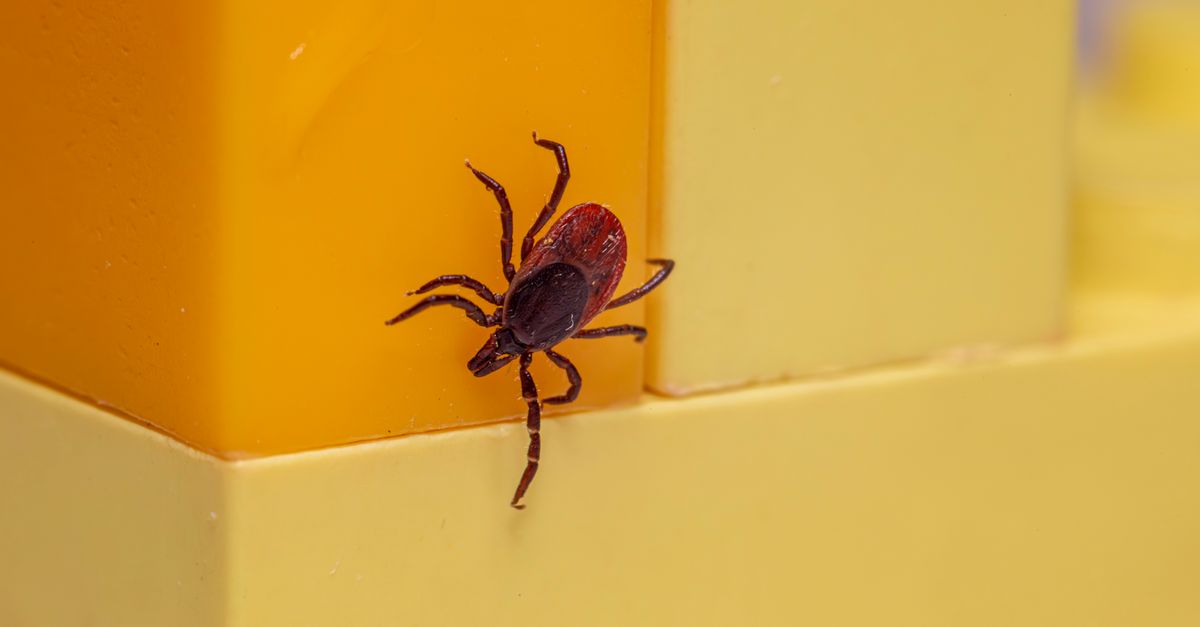
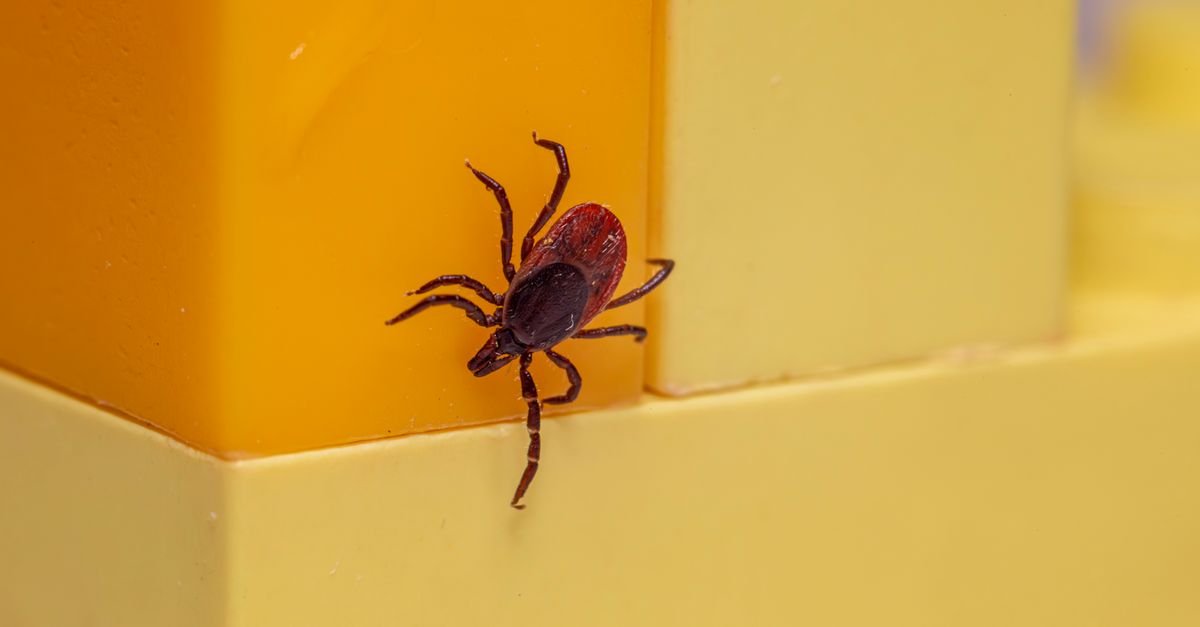
Ticks are not jumping spiders or flying insects. They cannot leap onto you from a tree branch. Instead, they practice something called “questing.” A tick climbs to the tip of a blade of grass or a leaf, stretches out its front legs, and waits. When you brush past, it grabs on. It is like a tiny hitchhiker with a bad attitude.
Once aboard, a tick does not bite immediately. It often crawls around looking for a warm, hidden spot. That delay is your golden opportunity. If you check your body soon after coming inside, you can often find and remove a tick before it ever attaches.
Where Ticks Hide
Ticks love moisture, shade, and tall vegetation. You will find them in grassy fields, wooded areas, leaf litter, brush piles, and along trails where animals travel. They also hang out in your own backyard if you have long grass, stone walls, or dense shrubs. They are not picky about location. If a deer, mouse, or bird passes by, a tick is happy.
The Nymph Problem
Adult ticks are easier to spot, but nymph ticks are the sneaky ones. They are about the size of a poppy seed. Their bite is usually painless, so you may never feel it. Because they are so small, they can feed for days before you notice. That is why frequent checks matter. You are not just looking for a big bug. You are looking for a speck of pepper that might be alive.
Dress for Defense: Clothing That Keeps Ticks Off
Your wardrobe is your first line of defense. The right clothing does not guarantee zero ticks, but it dramatically lowers your odds. Think of your clothes as a shield. The more skin you cover, the fewer places a tick can find a direct path to your blood.
Light Colors and Long Layers
Wear light-colored clothing. Why? Because ticks are dark and tiny, and light fabric makes them easier to see. A black shirt might look cool, but a tick on it is practically invisible. Choose long pants, long sleeves, and socks that cover your ankles. Tuck your pants into your socks or boots. Yes, it is a look. It is also a tick deterrent.
Consider wearing gaiters or high boots in heavy tick areas. If it is hot, look for lightweight, breathable fabrics. You can stay cool without giving ticks an open invitation.
Tuck, Tape, and Tighten
Ticks often crawl upward from your feet. They start low and search for a quiet spot. Tucking your shirt into your pants and your pants into your socks creates a physical barricade. You can even wrap tape around the seam where your pants meet your socks, sticky side out, to catch ticks trying to sneak through. It sounds silly, but it works.
Also, tighten cuffs and collars when possible. Loose clothing gives ticks easy access. A snug fit is not about fashion. It is about creating fewer entry points.
Tick Repellents That Actually Work
Repellents are not all created equal. Some work on mosquitoes but do little for ticks. Some are gentle but need frequent reapplication. The key is to choose an EPA-registered repellent and use it correctly. Think of repellents as a force field. They do not kill ticks on contact, but they make you much less appealing.
DEET: The Old Reliable
DEET has been around for decades, and it still works. It masks the carbon dioxide and lactic acid that attract ticks. For adults, products with 20% to 30% DEET are usually enough for a few hours. Higher concentrations last longer but do not necessarily work better. Apply it to exposed skin, avoiding your eyes, mouth, and hands. If you are using sunscreen, apply sunscreen first, then DEET.
Picaridin: Smooth and Effective
Picaridin is a great alternative if you dislike the smell or feel of DEET. It is effective against ticks and mosquitoes, and it is less likely to irritate skin. It also does not damage plastics or synthetic fabrics. For many people, picaridin is the Goldilocks choice: not too harsh, not too weak, just right.
Permethrin: The Clothing Weapon
Permethrin is not for your skin. It is for your clothing, boots, and gear. When a tick touches permethrin-treated fabric, it becomes disoriented and often dies. This is a game-changer. You can buy pre-treated clothing or treat your own clothes with a permethrin spray. The protection can last through several washes, depending on the product.
How to Use Permethrin Safely
Treat clothing outdoors or in a well-ventilated area. Follow the label exactly. Let the clothes dry completely before wearing them. Do not treat underwear, and do not apply permethrin directly to your skin. Keep treated clothing away from cats while it is wet, as permethrin can be toxic to them. Once dry, it is generally safe for humans.
Create a Tick-Safe Zone in Your Yard
You do not have to travel to a forest to meet a tick. Your own backyard can be prime tick habitat. The good news is that you can make your yard less inviting without turning it into a concrete parking lot.
Mow, Rake, and Mulch
Keep your lawn mowed short. Ticks love tall grass because it holds moisture and gives them a place to quest. Rake up leaves and clear brush around your house, especially near patios, play areas, and garden beds. Create a barrier of wood chips or gravel between your lawn and any wooded areas. This dry, sunlit strip is hard for ticks to cross.
Keep Wildlife From Inviting Ticks
Deer, mice, and other animals bring ticks into your yard. You cannot evict every squirrel, but you can reduce attractants. Keep bird feeders away from your house, secure trash cans, and avoid leaving pet food outside. If deer are a problem, use fencing or deer-resistant plants. A tick-free yard is not about eliminating nature. It is about managing the edges where nature meets your living space.
Trail Tactics: How to Hike Without Hitchhikers
Trails are wonderful, but they are also tick highways. The trick is to enjoy the path without brushing against every plant. You do not need to be paranoid. You just need to be deliberate.
Stay in the Center
Walk in the middle of the trail. Ticks wait on the edges of vegetation, not in the middle of a well-worn path. When you step off the trail to take a photo or let someone pass, you enter the tick zone. Step back to the center as soon as you can.
Avoid Tall Grass and Leaf Litter
Do not sit on logs, lean against trees, or rest in tall grass. If you need a break, find a sunny, open spot with short ground cover. Place a light-colored blanket or tarp on the ground. This gives you a clean barrier and makes any ticks easier to spot.
Check Your Gear and Pets
Ticks do not always attach to you right away. Sometimes they hitch a ride on your backpack, jacket, or dog. If you toss that gear into your car or house, the tick may find you later. So, check your stuff before you leave the outdoors.
Don’t Forget the Dog
Your dog is a tick magnet. Their fur gives ticks a perfect hiding place. Run your hands over your dog’s body, especially around the ears, neck, armpits, and between the toes. Use a fine-toothed comb. Talk to your vet about tick prevention products, such as chewables, topical treatments, or collars. A protected dog helps protect your whole family.
Backpacks and Blankets
Shake out backpacks, jackets, and blankets before bringing them inside. If you can, leave outdoor gear in a garage or mudroom. A tick that stays outside cannot bite you. This simple habit is like taking off your shoes at the door, but for bloodsuckers.
The Full-Body Tick Check
This is the most important step. No repellent is perfect, and no clothing is tick-proof. A thorough tick check is your safety net. Do it every time you come inside after being in a tick-prone area. It takes a few minutes, but it can save you from weeks of worry.
Where to Look on Your Body
Ticks prefer warm, dark, and moist areas. Check your armpits, groin, waistline, belly button, and behind your knees. Also check your legs, feet, and around your socks. Use a mirror or ask a partner to check your back and scalp. Do not rush. A tick can be as small as a grain of sand.
Hair, Ears, and Behind the Knees
Run your fingers through your hair and feel your scalp. Pay attention to the hairline, behind the ears, and the back of your neck. Behind the knees is another favorite spot. If you have long hair, tie it up and check underneath. Use a flashlight for extra visibility.
Shower Within Two Hours
Taking a shower within two hours of coming inside does two things. First, it washes away unattached ticks. Second, it gives you a chance to do a full-body check with soap and water. The water helps you feel ticks you might miss with your eyes. It is not a guarantee, but it is a powerful habit. Think of it as rinsing off the wild before it follows you indoors.
Remove a Tick the Right Way
If you find an attached tick, do not panic. The goal is to remove it quickly and cleanly. The longer a tick stays attached, the higher the risk of disease transmission. But you have time. Most diseases require the tick to feed for many hours, often more than 24. So act fast, but act carefully.
Tools You Need
Use fine-tipped tweezers or a tick removal tool. Grasp the tick as close to your skin as possible. Pull upward with steady, even pressure. Do not twist or jerk. The tick should come out whole. After removal, clean the bite area and your hands with rubbing alcohol or soap and water.
What Not to Do
Do not burn the tick with a match. Do not cover it with petroleum jelly or nail polish. Do not squeeze its body. These methods can cause the tick to regurgitate into your bloodstream, which increases infection risk. Save the tick in a sealed bag or container if you want to identify it later. Write down the date you found it.
Protect Kids and Seniors
Children are closer to the ground, so they are more likely to brush against grass and leaf litter. They also may not notice a tick. Check them thoroughly after outdoor play. For older adults, a weaker immune system can make tick-borne illnesses more serious. Everyone benefits from the same prevention steps, but these groups need extra attention. Make tick checks a family routine. Turn it into a game: “Tick detective time!” The more fun it feels, the more likely it gets done.
Plan Around Tick Season
Ticks are active in warmer months, but they do not disappear in winter. Some species are active whenever the temperature is above freezing. However, spring, summer, and early fall are peak times. Plan your outdoor adventures with this in mind. If you can, avoid walking through tall grass during peak season. If you cannot, double down on repellent and checks. Know your local tick species and the diseases they carry. Your county extension office or health department can tell you what is common in your area.
What to Do If You Find a Tick
You removed the tick. Now what? Clean the bite. Note the date. Watch for symptoms over the next few weeks. Look for fever, chills, fatigue, muscle aches, joint pain, or a rash. A bullseye rash is a classic sign of Lyme disease, but not everyone gets it. If you feel unwell or notice anything unusual, call your doctor. Tell them you were bitten by a tick. Early treatment is often simple and effective. Do not wait until symptoms get severe.
Conclusion: Enjoy the Outdoors Without the Worry
Ticks are a real concern, but they do not have to ruin your time outside. You have more power than you think. Wear light-colored, long clothing. Tuck your pants into your socks. Use EPA-approved repellents. Treat your clothes with permethrin. Stay in the center of trails. Check your body, your gear, and your pets. Shower soon after coming inside. And if you find a tick, remove it correctly and keep an eye on your health.
None of these steps is complicated on its own. Together, they form a strong defense. You do not need to be perfect. You just need to be consistent. The outdoors is worth it. The fresh air, the exercise, the quiet moments. So go ahead. Plan that hike, plant that garden, take that camping trip. With a little preparation, you can keep ticks from turning your adventure into a medical mystery. Stay safe, stay aware, and enjoy every outdoor day.
FAQs
1. How long does a tick need to be attached to transmit disease?
For many tick-borne illnesses, including Lyme disease, a tick usually needs to be attached for 24 to 48 hours before it can transmit bacteria. However, some diseases can spread faster. That is why early removal is so important. Check yourself daily and remove any tick as soon as you find it.
2. Does wearing long sleeves really prevent tick bites?
Yes, long sleeves and long pants create a physical barrier. Ticks cannot bite through fabric easily. They may crawl onto your clothes, but they have a harder time reaching your skin. For best results, tuck your shirt into your pants and your pants into your socks.
3. Is DEET safe for children?
DEET is safe for children over two months old when used as directed. Use a lower concentration, apply it to your own hands first, and then spread it on the child. Avoid their hands, eyes, and mouth. Do not let young children apply it themselves.
4. Can I use essential oils to repel ticks?
Some essential oils, like oil of lemon eucalyptus, are EPA-registered and can be effective. However, many homemade or unregistered essential oil blends are not proven to work. If you want reliable protection, choose an EPA-registered repellent. Natural does not always mean effective.
5. What should I do if I find a tick on my dog?
Remove the tick with fine-tipped tweezers or a tick removal tool. Grasp it close to the skin and pull straight up. Do not twist. Clean the area. Keep an eye on your dog for symptoms like fever, lethargy, or loss of appetite. Talk to your vet about tick prevention and whether testing is needed.