Table of Contents
- How Much Water Do You Need in Hot Weather?
- Why Hot Weather Changes Your Water Needs
- The Science of Sweat and Cooling
- Humidity: The Hidden Thirst Trap
- How Much Water Is Actually Enough?
- General Daily Guidelines
- Hot-Weather Water Formula
- Signs You’re Drinking Enough Water
- Urine Color: Your Built-In Hydration Meter
- Energy, Mood, and Focus
- Signs You’re Dehydrated in the Heat
- Early Warning Signs
- When Dehydration Gets Serious
- Factors That Change Your Hot-Weather Water Needs
- Activity Level and Sweat Rate
- Age, Weight, and Health Conditions
- Medications and Pregnancy
- Best Ways to Stay Hydrated in Hot Weather
- Drink Before You’re Thirsty
- Sip, Don’t Chug
- Eat Your Water
- Electrolytes: The Hot-Weather Hydration Sidekick
- When Water Isn’t Enough
- DIY Hydration Drinks vs. Sports Drinks
- What About Coffee, Tea, and Alcohol?
- Hydration for Outdoor Workers and Athletes
- Timing Your Fluids
- Cooling Strategies That Work
- Hydration for Kids and Older Adults
- Kids Need Help Remembering
- Older Adults May Not Feel Thirst
- Common Hydration Myths in Hot Weather
- How to Build a Hot-Weather Hydration Plan
- When to Call a Doctor
- Conclusion
- FAQs
- How much water should I drink in 100-degree weather?
- Can I drink too much water in hot weather?
- Is it okay to drink cold water when it’s hot?
- Do I need sports drinks if I’m just sweating a little?
- How can I tell if I’m dehydrated without a doctor?
How Much Water Do You Need in Hot Weather?
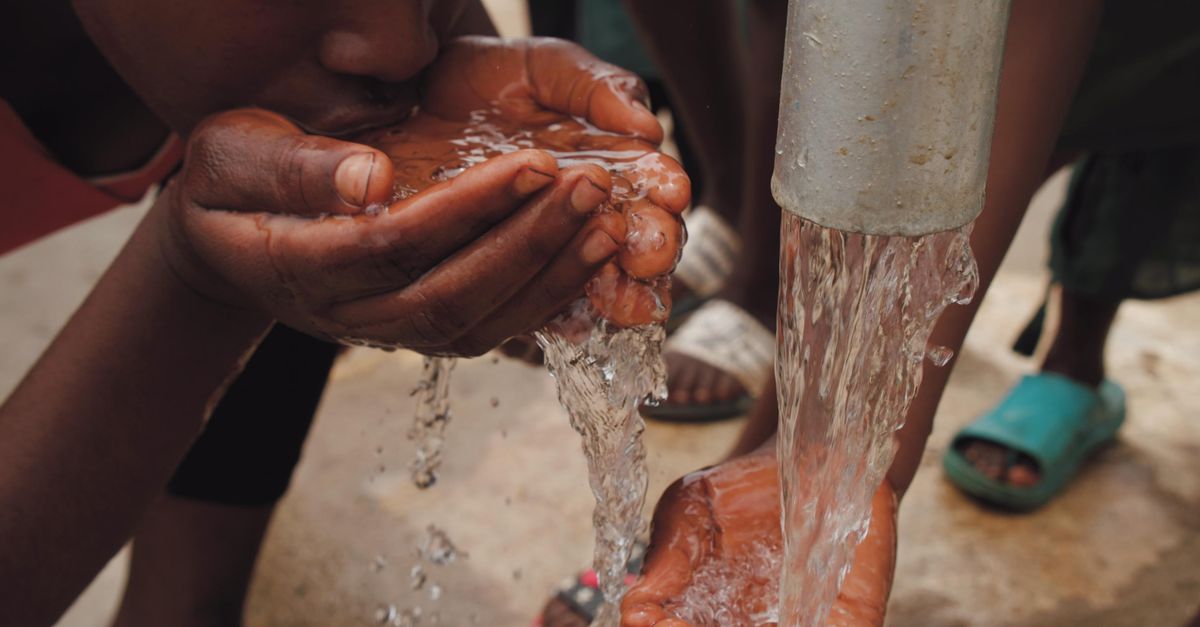
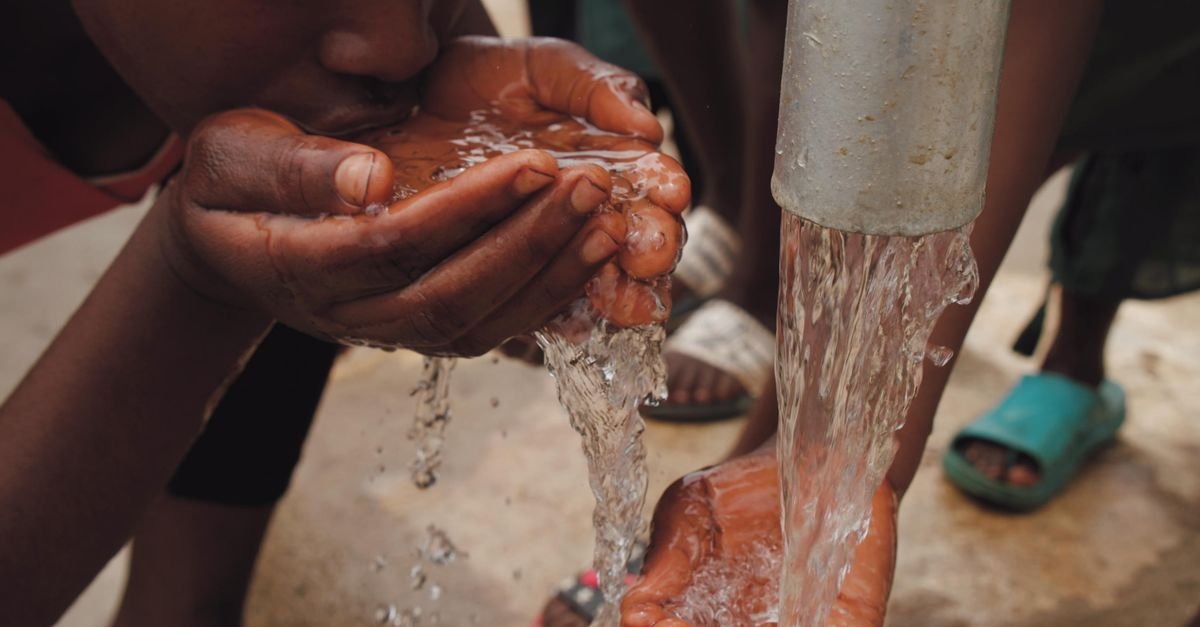
Hot weather has a sneaky way of turning a normal day into a hydration test. You step outside, the air feels like a warm blanket, and within minutes your shirt starts sticking to your back. That’s your body saying, Hey, I’m working overtime here. But how much water do you actually need in hot weather? Is it eight glasses? A gallon? More? The answer isn’t a single magic number, and that’s exactly why it’s worth understanding.
Think of your body as an engine. Water is the coolant, the oil, and part of the fuel system all at once. When the temperature climbs, your engine runs hotter. You burn through fluids faster. If you don’t top off the tank, performance drops. You feel sluggish, foggy, cranky, or worse. So let’s break down what hot weather does to your hydration needs — and how to stay ahead of it without drowning yourself in water.
Why Hot Weather Changes Your Water Needs
Your body is brilliant at keeping its core temperature steady. When the heat rises, it sends more blood to your skin and turns on the sweat glands. Sweat evaporates, and that evaporation pulls heat away from your body. It’s basically your personal air-conditioning system. But air-conditioning uses power, and your body’s cooling system uses water.
The hotter it is, the harder your body works to stay cool. You might not feel like you’re sweating much if the air is dry, because sweat evaporates quickly. Or you might feel drenched if the air is humid, because sweat stays on your skin. Either way, you’re losing fluids. And those fluids need to be replaced.
The Science of Sweat and Cooling
Sweat is mostly water, but it also contains electrolytes like sodium and chloride. When you sweat, you lose both water and salt. That’s why plain water is sometimes not enough during long, sweaty adventures. Your body needs the right balance to keep muscles working, nerves firing, and blood pressure steady.
How much you sweat depends on your genes, fitness level, clothing, and activity. Some people sweat buckets while others glisten. Two people can stand in the same heat and lose very different amounts of fluid. So comparing your water bottle to your friend’s isn’t always useful.
Humidity: The Hidden Thirst Trap
Humidity is the plot twist in hot-weather hydration. When the air is already packed with moisture, your sweat doesn’t evaporate as easily. It drips instead. You feel wet, sticky, and miserable — but your body isn’t cooling as efficiently. So you sweat even more to compensate. That means you can lose a surprising amount of fluid without realizing it.
Dry heat has its own trick. Sweat evaporates so fast you might not notice it. You look dry, but you’re still losing water. That’s why desert heat can be dangerous. You feel okay until suddenly you don’t.
How Much Water Is Actually Enough?
Here’s the truth: there’s no universal number that fits everyone. The old “eight glasses a day” rule is simple, memorable, and mostly made up. It’s not terrible advice, but it ignores your size, activity, diet, and the weather. In hot weather, your needs can jump significantly.
General Daily Guidelines
National health authorities often suggest total daily fluids of about 3.7 liters (125 ounces) for men and 2.7 liters (91 ounces) for women. That includes water from food, coffee, tea, and other drinks. But those numbers are for average conditions, not a scorching summer day. When the heat index soars, you need more.
If you’re active outdoors, the scale tips higher. A construction worker, a runner, or a gardener can lose a liter or more per hour in extreme heat. A person sitting in air conditioning might lose much less. Context matters.
Hot-Weather Water Formula
Want a practical formula? Start with your normal daily fluid intake. Then add extra for heat and sweat. A simple approach is to drink about 16 to 24 ounces (2 to 3 cups) of water two hours before outdoor activity. During activity, aim for 8 ounces every 15 to 20 minutes, adjusting based on your sweat rate.
You can also weigh yourself before and after a hot-weather workout. For every pound lost, drink about 16 to 24 ounces of fluid. This isn’t just water weight — it’s fluid your body needs back. If you lose two pounds, that’s roughly a quart of sweat. Replace it steadily, not all at once.
And don’t ignore thirst. It’s not a perfect alarm system, especially as you age, but it’s still a useful nudge. Pair thirst with urine color and how you feel.
Signs You’re Drinking Enough Water
Your body gives you feedback all day. You just have to read the signals. When you’re well hydrated, you urinate regularly, your mouth isn’t parched, and your energy stays relatively steady. You don’t feel like a raisin by 3 p.m.
Urine Color: Your Built-In Hydration Meter
Urine color is one of the easiest checks. Pale straw or light yellow usually means you’re in good shape. Dark yellow or amber means you need to drink up. Clear, colorless urine all day might mean you’re drinking more than you need — though it can also be normal for some people.
Keep in mind that vitamins, medications, and certain foods can change urine color. So use this as one clue, not the only one.
Energy, Mood, and Focus
Even mild dehydration can make you feel tired, irritable, and foggy. Have you ever snapped at someone after a long, hot afternoon? Maybe you weren’t just annoyed. Maybe you were dehydrated. Your brain depends on proper fluid balance to work well. When you’re low, concentration drops and headaches creep in.
If you’re feeling off in the heat, drink a glass of water and wait 20 minutes. You might be surprised how much better you feel.
Signs You’re Dehydrated in the Heat
Dehydration doesn’t always announce itself with a loud alarm. It often starts small and builds. Knowing the early signs helps you act before things get serious.
Early Warning Signs
- Thirst
- Dry mouth or sticky mouth
- Dark yellow urine
- Headache
- Dizziness or lightheadedness
- Muscle cramps
- Fatigue or sleepiness
- Fewer trips to the bathroom
If you notice these, get out of the heat, sit in the shade or air conditioning, and sip water or an electrolyte drink. Don’t chug a gallon. Your body absorbs fluids better when you drink steadily.
When Dehydration Gets Serious
Severe dehydration is a medical emergency. Watch for confusion, rapid heartbeat, rapid breathing, very dark urine, no urine, sunken eyes, and fainting. In extreme cases, especially with heatstroke, a person may stop sweating, have hot dry skin, and become unconscious. Call emergency services immediately.
Heat exhaustion and heatstroke are not the same. Heat exhaustion can often be managed by cooling down and rehydrating. Heatstroke is life-threatening. When in doubt, seek help.
Factors That Change Your Hot-Weather Water Needs
Your perfect water intake is personal. Several factors shift the dial up or down. Understanding them helps you plan instead of guessing.
Activity Level and Sweat Rate
The more you move, the more you sweat. Walking the dog is different from running a 10K. Heavy clothing, protective gear, and direct sun also raise your fluid loss. If you’re working or exercising in the heat, you need more water and likely more electrolytes.
Age, Weight, and Health Conditions
Larger bodies generally need more fluid. Children need help remembering to drink. Older adults often have a blunted thirst response, so they may not feel thirsty even when dehydrated. Health conditions like diabetes, kidney disease, and heart failure can change fluid recommendations. Always follow your doctor’s advice if you have a medical condition.
Medications and Pregnancy
Some medications, like diuretics, can increase fluid loss. Others may affect how your body handles sodium. Pregnancy and breastfeeding raise fluid needs too. If you’re pregnant, breastfeeding, or taking prescription medication, ask your healthcare provider how much water is right for you in hot weather.
Best Ways to Stay Hydrated in Hot Weather
Staying hydrated isn’t just about how much you drink. It’s also about when, how, and what you drink. A few smart habits can make a huge difference.
Drink Before You’re Thirsty
Thirst is a lagging indicator. By the time you feel thirsty, you’re already slightly behind. So drink before you head outside. Have a glass of water with breakfast, another before lunch, and another before your afternoon outing. Keep a bottle within arm’s reach.
Sip, Don’t Chug
Chugging a huge amount of water quickly can make you feel bloated and uncomfortable. Your kidneys can only process so much at once. Sip steadily throughout the day. Think of it like watering a plant — a slow soak works better than a flood.
Eat Your Water
Food is a major source of hydration. Watermelon, cucumber, oranges, strawberries, lettuce, tomatoes, and zucchini are mostly water. Soup, yogurt, smoothies, and popsicles also count. In hot weather, a juicy slice of watermelon is both a snack and a drink.
Electrolytes: The Hot-Weather Hydration Sidekick
Water alone is great for everyday hydration. But when you sweat heavily for more than an hour, you lose sodium and other electrolytes. Without them, water can slosh around without doing its job properly. In severe cases, drinking too much plain water can dilute your blood sodium to dangerous levels.
When Water Isn’t Enough
If you’re sweating for hours, working outside, or exercising intensely in the heat, consider an electrolyte drink. Signs you might need more than water include muscle cramps, unusual fatigue, headache, and feeling lightheaded even after drinking.
DIY Hydration Drinks vs. Sports Drinks
Sports drinks can be useful, but many are loaded with sugar. You can make a simple DIY version by mixing water with a pinch of salt, a squeeze of lemon, and a little honey or maple syrup. Coconut water is another option, though it’s lower in sodium than most sports drinks. For most people, water plus salty snacks like pretzels or pickles works fine.
What About Coffee, Tea, and Alcohol?
Good news: coffee and tea count toward your daily fluids. The idea that caffeine dehydrates you is mostly exaggerated. In moderate amounts, your body adapts. Just don’t rely on a giant iced coffee as your only drink in a heatwave.
Alcohol is a different story. It can increase urine output and impair your judgment, making you less likely to notice dehydration. In hot weather, alcohol hits harder. If you’re drinking, alternate with water and stay in the shade.
Hydration for Outdoor Workers and Athletes
If your job or sport keeps you outside, hydration becomes part of safety, not just comfort. You need a plan, not a guess.
Timing Your Fluids
Start hydrating the day before. Drink 16 to 24 ounces two hours before your shift or workout. During activity, aim for 8 ounces every 15 to 20 minutes. Afterward, replace what you lost. If you’re sweating for more than an hour, add electrolytes.
Cooling Strategies That Work
- Take breaks in shade or air conditioning.
- Wear light, loose, breathable clothing.
- Use a wet towel on your neck and wrists.
- Schedule hard tasks for early morning or evening.
- Pre-cool with cold drinks or ice towels before going out.
Hydration for Kids and Older Adults
Some people need extra help staying hydrated. Kids and older adults are at higher risk for heat-related problems.
Kids Need Help Remembering
Children often get caught up in play and forget to drink. Offer water regularly. Send a water bottle to school or camp. Add fruit to water for flavor. Watch for irritability, tiredness, and dark urine.
Older Adults May Not Feel Thirst
As we age, the thirst signal weakens. Older adults may also take medications that affect fluid balance. Set reminders, keep water visible, and include hydrating foods. Check in on older relatives during heatwaves.
Common Hydration Myths in Hot Weather
Myths spread fast when the temperature rises. Let’s clear up a few.
- Myth: You need eight glasses of water every day. Truth: Needs vary widely.
- Myth: If you’re thirsty, you’re already too late. Truth: Thirst is a useful cue, just not the only one.
- Myth: Clear urine is always best. Truth: Pale yellow is usually ideal.
- Myth: Sports drinks are always necessary. Truth: They help during long, sweaty activity, but water is fine for daily life.
- Myth: Drinking too much water is impossible. Truth: Hyponatremia is rare but dangerous.
How to Build a Hot-Weather Hydration Plan
Here’s a simple plan you can adapt. When you wake up, drink a glass of water. Have water with every meal. Keep a bottle at your desk or in your bag. Before going outside, drink 1 to 2 cups. While outside, sip every 15 to 20 minutes. If you’re sweating a lot, add an electrolyte drink. After coming inside, drink another glass and eat something hydrating.
Check your urine color a few times a day. If it’s dark, drink more. If you get a headache or feel dizzy, stop and cool down. Adjust based on how you feel and how much you sweat.
When to Call a Doctor
Call a doctor or emergency services if you or someone else has confusion, fainting, rapid heartbeat, difficulty breathing, no urine for many hours, or hot dry skin with a high body temperature. These are signs of severe dehydration or heatstroke. Don’t wait.
Conclusion
How much water do you need in hot weather? More than usual — but not a random gallon. Start with a baseline, add extra for heat, activity, and sweat, and use urine color, energy, and thirst as your guides. Water is your main tool, but electrolytes matter during long, sweaty exposure. Eat hydrating foods, sip steadily, and respect the heat. Your body is not asking for perfection. It’s asking for attention. Give it that, and you’ll stay cooler, sharper, and safer all summer long.
FAQs
How much water should I drink in 100-degree weather?
There’s no single number, but many people need an extra 1 to 2 liters beyond their normal intake. If you’re active outdoors, aim for 8 ounces every 15 to 20 minutes and add electrolytes if you sweat heavily. Check your urine color and how you feel.
Can I drink too much water in hot weather?
Yes. Drinking excessive water without replacing sodium can lead to hyponatremia, a dangerous condition where blood sodium drops too low. This is more common during endurance events. Sip steadily, and use electrolyte drinks during long, sweaty activity.
Is it okay to drink cold water when it’s hot?
Absolutely. Cold water can help lower your body temperature and tastes refreshing, which may encourage you to drink more. Just don’t chug it so fast that you get brain freeze or stomach cramps.
Do I need sports drinks if I’m just sweating a little?
Probably not. For everyday activities and short time outdoors, plain water and hydrating foods are enough. Sports drinks are most useful when you’re sweating heavily for more than an hour or doing intense exercise in the heat.
How can I tell if I’m dehydrated without a doctor?
Look for dark yellow urine, dry mouth, headache, dizziness, fatigue, and fewer bathroom trips. Pinch the skin on the back of your hand — if it doesn’t snap back quickly, you may be dehydrated. Drink fluids and cool down. If symptoms worsen, seek medical help.