Table of Contents
- Heart Health Beyond Your Cholesterol Number
- Why Your Cholesterol Number Is Only One Piece of the Puzzle
- The Problem With Looking at a Single Lab Value
- What Cholesterol Actually Does in Your Body
- The Real Drivers of Heart Disease You Should Know
- Inflammation: The Quiet Fire in Your Arteries
- Blood Pressure: The Force You Can’t Feel
- Blood Sugar and Insulin Resistance: The Hidden Stubborn Risk
- Why Belly Fat Matters More Than You Think
- Triglycerides and HDL: The Dynamic Duo
- Lipoprotein(a): The Genetic Wild Card
- ApoB and LDL Particle Number: A Deeper Look
- Beyond Standard Labs: Tests That Tell a Bigger Story
- High-Sensitivity C-Reactive Protein (hs-CRP)
- Coronary Artery Calcium (CAC) Score
- Carotid Intima-Media Thickness (CIMT)
- Advanced Lipid Panels and Metabolic Markers
- Lifestyle Factors That Shape Heart Health
- Movement: More Than Cardio
- Strength Training for a Stronger Heart
- Zone 2, Intervals, and Daily Steps
- Nutrition: Focus on Patterns, Not Perfection
- Fiber, Healthy Fats, and Colorful Plants
- Ultra-Processed Foods and Added Sugar
- Sleep: The Repair Shift Your Heart Needs
- Stress and Emotional Health: The Invisible Load
- Smoking, Alcohol, and Oral Health
- How to Build a Heart-Healthy Life Without Obsessing Over Numbers
- Know Your Full Risk Picture
- Track Trends, Not Just One Result
- Work With a Doctor Who Listens
- Conclusion: Your Heart Is Bigger Than a Number
- FAQs About Heart Health Beyond Cholesterol
- Can I Have a Normal Cholesterol Level and Still Have Heart Disease?
- What Is the Most Important Heart Health Number?
- How Often Should I Check My Heart Health Beyond Cholesterol?
- Can Lifestyle Changes Really Lower My Risk If My Genes Are Bad?
- Are Advanced Heart Tests Worth It?
Heart Health Beyond Your Cholesterol Number
Picture your cholesterol number as one instrument in a full orchestra. It matters, sure. But if you only listen to the trumpet, you’ll miss the drums, the strings, and the quiet melody underneath. Heart health works the same way. Your cholesterol level is a useful clue, but it is not the entire story. It cannot tell you everything about inflammation, blood pressure, blood sugar, genetics, fitness, sleep, stress, or the health of your arteries.
So what if the number you’ve been told to watch is only a small part of the picture? What if your heart is asking you to look deeper, wider, and earlier? That’s exactly what heart health beyond your cholesterol number is all about. It’s about understanding the whole system, not just one lab result.
Why Your Cholesterol Number Is Only One Piece of the Puzzle
Cholesterol is a waxy, fat-like substance that your body needs. It helps build cell membranes, make hormones, and produce vitamin D. Your liver makes most of it, and the rest comes from food. The standard lipid panel usually measures total cholesterol, LDL cholesterol, HDL cholesterol, and triglycerides. Those numbers can help estimate risk, but they don’t explain why risk exists or how severe it might be.
Two people can have the same LDL cholesterol. One might have clean, flexible arteries. The other might have inflamed, sticky plaque building up inside blood vessels. The number on paper looks identical, but the health reality is wildly different. That’s why heart health beyond your cholesterol number matters so much. Context changes everything.
The Problem With Looking at a Single Lab Value
A single lab value is like a photograph taken on one day. It can’t show the movie of your cardiovascular life. Your cholesterol might be high because of genetics, thyroid issues, medications, diet, stress, or a temporary illness. It might be normal while dangerous plaque silently builds up. One snapshot cannot capture your age, family history, lifestyle, blood pressure, metabolic health, or immune system activity.
Also, cholesterol is not “good” or “bad” in a simple moral sense. HDL and LDL are carriers. They transport cholesterol and other fats through your bloodstream. The trouble starts when certain particles get trapped in artery walls, trigger inflammation, and lead to plaque. The number alone doesn’t tell you how likely that process is in your body.
What Cholesterol Actually Does in Your Body
Your body uses cholesterol to patch cell membranes, support brain function, and create steroid hormones like cortisol, estrogen, and testosterone. It also helps make bile, which digests fat. Without cholesterol, you wouldn’t survive. The goal isn’t zero cholesterol. The goal is balance, healthy transport, and low inflammation.
Think of cholesterol carriers as delivery trucks. LDL delivers cholesterol to tissues. HDL helps bring excess cholesterol back to the liver. If too many LDL trucks get stuck in traffic and damage the roads, problems begin. If HDL works well and inflammation is low, the system can stay healthier. That’s why a deeper look at particle number, size, and inflammation can be more revealing than total cholesterol alone.
The Real Drivers of Heart Disease You Should Know
Heart disease is rarely caused by one thing. It grows from a mix of forces: inflammation, high blood pressure, insulin resistance, abnormal lipids, smoking, genetics, poor sleep, chronic stress, and more. Cholesterol is part of that mix, but it’s not the whole storm.
Inflammation: The Quiet Fire in Your Arteries
Inflammation is your immune system’s emergency response. It’s helpful when you cut your finger or fight an infection. But when it smolders for years inside your arteries, it can damage blood vessel walls and make plaque less stable. A ruptured plaque can cause a heart attack or stroke.
High-sensitivity C-reactive protein, or hs-CRP, is one way to measure general inflammation. Elevated levels don’t automatically mean heart disease, but they can signal that your body is under stress. That stress might come from poor sleep, gum disease, autoimmune conditions, obesity, smoking, or chronic infections. Lowering inflammation often means improving the whole environment of your body, not just taking a pill.
Blood Pressure: The Force You Can’t Feel
High blood pressure is often called the silent killer because it usually has no symptoms. It pushes against artery walls with extra force, slowly damaging them. Over time, that damage invites cholesterol particles, calcium, and inflammatory cells to build up. The result is stiff, narrowed arteries.
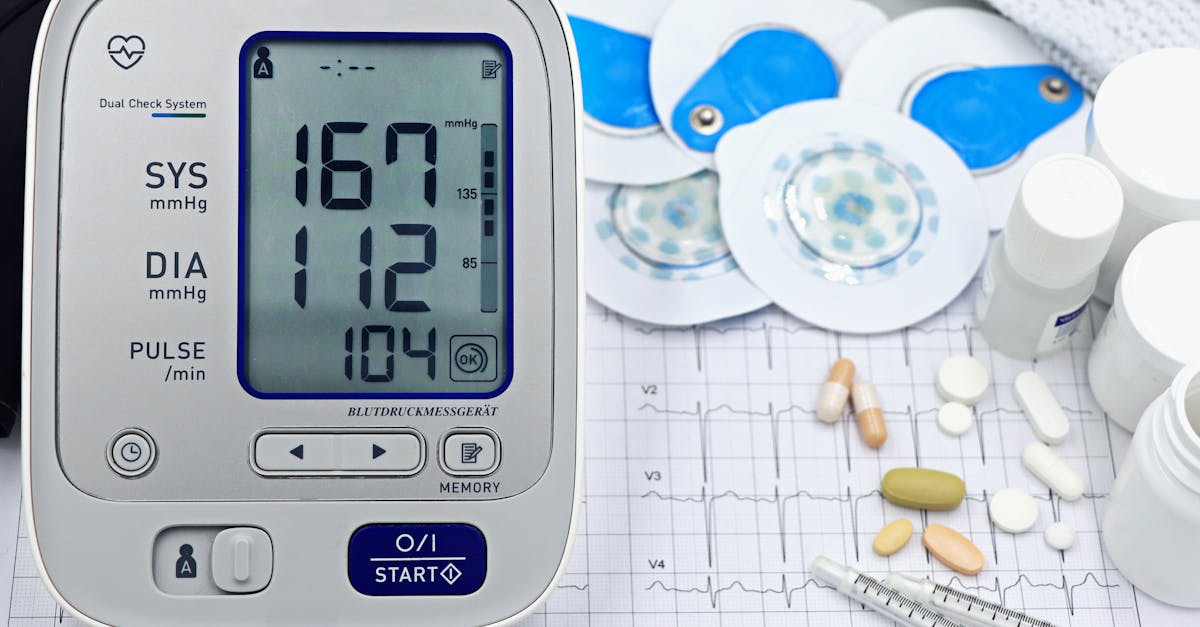
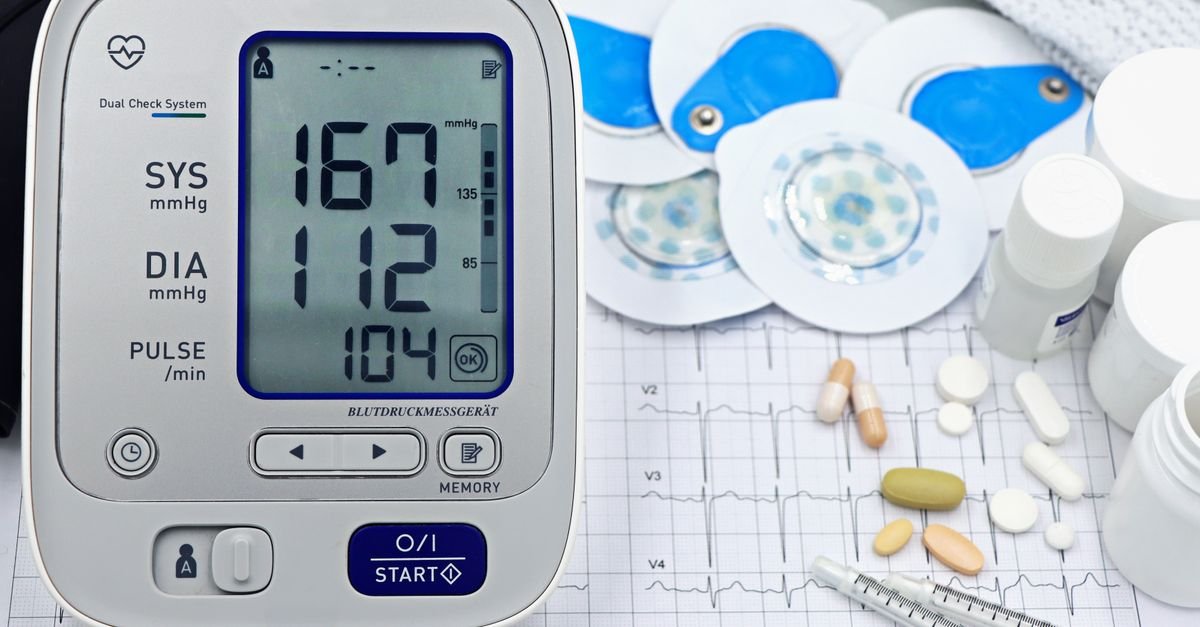
You can have perfect cholesterol and still face serious risk from high blood pressure. That’s why checking your blood pressure regularly matters. A single reading at the doctor’s office isn’t always enough. Home monitoring can reveal patterns, especially if you feel anxious in medical settings. Think of blood pressure like water hammer in old pipes. The pipes may look fine, but constant pounding weakens them.
Blood Sugar and Insulin Resistance: The Hidden Stubborn Risk
Insulin resistance happens when your cells stop responding well to insulin. Your pancreas pumps out more and more insulin to keep blood sugar normal. For years, your fasting glucose might look fine while insulin quietly climbs. This state increases inflammation, raises triglycerides, lowers HDL, and promotes plaque formation.
Heart health beyond your cholesterol number must include blood sugar and insulin health. Ask your doctor about fasting insulin, HbA1c, and possibly a glucose tolerance test if you have risk factors. Family history, belly fat, high triglycerides, and high blood pressure all hint that insulin resistance may be part of your story.
Why Belly Fat Matters More Than You Think
Not all fat is created equal. Subcutaneous fat sits under the skin and is relatively quiet. Visceral fat wraps around your organs and acts like a busy, inflammatory organ. It releases hormones and inflammatory signals that raise blood pressure, worsen insulin resistance, and change cholesterol particles.
Waist circumference can be a better clue than weight alone. Even people with a normal body mass index can carry dangerous visceral fat. If your waist is growing while your weight stays stable, your metabolic risk may be rising. Your heart cares about where fat lives, not just how much you weigh.
Triglycerides and HDL: The Dynamic Duo
Triglycerides are fats circulating in your blood. High triglycerides often go hand in hand with insulin resistance, low HDL, and small dense LDL particles. Low HDL is another warning sign. HDL is not just a number; it’s a functional system that helps remove cholesterol from arteries and reduce inflammation.
When triglycerides are high and HDL is low, the standard LDL number may look less alarming than it really is. This pattern suggests metabolic dysfunction. The fix usually isn’t just a cholesterol drug. It often involves reducing refined carbs, added sugar, and alcohol, while increasing movement, fiber, and healthy fats.
Lipoprotein(a): The Genetic Wild Card
Lipoprotein(a), or Lp(a), is a type of LDL-like particle with a sticky protein attached. High Lp(a) is largely genetic. It can increase the risk of heart attack, stroke, and aortic valve disease. Many people have never had it checked, even though it only needs to be measured once for most people.
If you have a strong family history of early heart disease, or if you have heart disease despite normal cholesterol, ask about Lp(a). It’s a powerful example of why cholesterol alone is not enough. You can’t outrun a genetic risk factor, but knowing about it can change how aggressively you manage everything else.
ApoB and LDL Particle Number: A Deeper Look
Apolipoprotein B, or ApoB, is a protein found on every atherogenic particle, including LDL, VLDL, IDL, and Lp(a). Because each of these particles carries one ApoB molecule, measuring ApoB gives you a count of how many particles could potentially get stuck in your artery wall.
Some guidelines now consider ApoB a better predictor of cardiovascular risk than LDL cholesterol. Why? Because LDL cholesterol measures the amount of cholesterol inside particles, not the number of particles. If your particles are small and dense, you can have a normal LDL cholesterol but a high particle number. That’s like having many small cars instead of a few buses. More cars mean more chances for a traffic jam.
Beyond Standard Labs: Tests That Tell a Bigger Story
If you want a fuller picture of your heart health, you have options. These tests are not for everyone, and they should be interpreted by a knowledgeable clinician. Still, they can add valuable context when used wisely.
High-Sensitivity C-Reactive Protein (hs-CRP)
hs-CRP measures low-grade inflammation. It can help identify people with normal cholesterol but elevated risk. However, it is not specific to the heart. A recent infection, injury, or autoimmune flare can raise it. Your doctor may repeat the test to confirm a pattern. When combined with other markers, hs-CRP can help guide lifestyle and medical decisions.
Coronary Artery Calcium (CAC) Score
A CAC score uses a CT scan to detect calcium in the coronary arteries. Calcium is a sign of advanced plaque. A score of zero is reassuring for many people, though it does not rule out soft plaque. A high score suggests significant plaque burden and a higher risk of heart events.
The CAC score can be especially useful when the decision to start or intensify treatment is unclear. It gives a direct look at your arteries rather than relying only on blood tests. Think of it as checking the foundation of a house instead of just reading the blueprints.
Carotid Intima-Media Thickness (CIMT)
CIMT uses ultrasound to measure the thickness of the carotid artery walls. Thicker walls can indicate early atherosclerosis. It is non-invasive and radiation-free. CIMT can help detect vascular aging before symptoms appear. Like other advanced tests, it works best when paired with a full risk assessment.
Advanced Lipid Panels and Metabolic Markers
Advanced lipid panels may include ApoB, LDL particle number, LDL particle size, Lp(a), and oxidized LDL. Metabolic markers might include fasting insulin, HbA1c, and liver enzymes. Together, these tests paint a more detailed picture of your metabolic and cardiovascular health.
Do you need every test? Probably not. The right tests depend on your age, family history, symptoms, current conditions, and previous results. A good doctor will help you avoid unnecessary testing while still catching the risks that matter.
Lifestyle Factors That Shape Heart Health
Here’s the empowering part: your daily choices influence nearly every risk factor beyond cholesterol. You can’t change your genes, but you can change how those genes express themselves. You can lower inflammation, improve blood pressure, boost insulin sensitivity, and support healthier cholesterol particles.
Movement: More Than Cardio
Exercise is one of the closest things we have to a miracle drug for heart health. It lowers blood pressure, improves insulin sensitivity, reduces inflammation, raises HDL function, and helps you sleep better. But not all movement is the same. A balanced plan includes aerobic exercise, strength training, and everyday activity.
Strength Training for a Stronger Heart
Lifting weights isn’t just for building muscle. It improves glucose uptake, supports healthy blood pressure, and increases your functional capacity. You don’t need to become a bodybuilder. Two or three sessions per week with basic movements like squats, hinges, pushes, pulls, and carries can make a real difference.
Zone 2, Intervals, and Daily Steps
Zone 2 training is a comfortable, steady pace where you can still talk but feel like you’re working. It builds mitochondrial health and endurance. Intervals push your heart rate higher for short bursts, improving cardiovascular fitness. Daily steps keep your metabolism active and break up long sitting periods.
What if you hate the gym? Then walk, dance, bike, swim, hike, or play. The best exercise is the one you’ll actually repeat. Your heart doesn’t care about fancy equipment. It cares about regular movement.
Nutrition: Focus on Patterns, Not Perfection
Nutrition advice can feel noisy. One week, eggs are bad. The next week, they’re fine. Instead of chasing headlines, focus on overall patterns. A heart-healthy pattern is rich in fiber, healthy fats, colorful plants, lean proteins, and minimally processed foods. It limits added sugar, refined grains, and ultra-processed snacks.
Fiber, Healthy Fats, and Colorful Plants
Fiber feeds your gut bacteria, lowers LDL cholesterol, improves blood sugar, and helps you feel full. Aim for vegetables, fruits, beans, lentils, nuts, seeds, and whole grains. Healthy fats from olive oil, avocado, nuts, and fatty fish support artery function and reduce inflammation. Colorful plants provide antioxidants and polyphenols that help protect blood vessels.
Ultra-Processed Foods and Added Sugar
Ultra-processed foods are engineered to be hyper-palatable and easy to overeat. They often contain refined flour, added sugar, industrial oils, and additives. They can raise triglycerides, lower HDL, promote inflammation, and drive insulin resistance. You don’t have to eliminate every treat. But if ultra-processed foods dominate your diet, your heart may pay the price.
Sleep: The Repair Shift Your Heart Needs
Sleep is when your body repairs blood vessels, regulates hormones, and manages blood sugar. Poor sleep raises blood pressure, increases inflammation, and makes you hungrier for high-calorie foods. Sleep apnea is especially dangerous for the heart. If you snore loudly, wake gasping, or feel exhausted despite enough hours in bed, talk to a doctor.
Aim for seven to nine hours of quality sleep. Keep a consistent schedule. Dim lights in the evening. Limit caffeine late in the day. Create a cool, dark, quiet room. Your heart does some of its best work while you’re dreaming.
Stress and Emotional Health: The Invisible Load
Chronic stress keeps your body in fight-or-flight mode. That means higher blood pressure, higher blood sugar, more inflammation, and poorer sleep. Stress also affects choices. When you’re overwhelmed, you might skip workouts, eat more comfort food, or drink more alcohol.
Managing stress isn’t a luxury. It’s cardiovascular care. Deep breathing, meditation, therapy, time in nature, journaling, and strong social connections can all help. Even five minutes of calm per day can shift your nervous system in a healthier direction.
Smoking, Alcohol, and Oral Health
Smoking damages blood vessels, lowers HDL, raises blood pressure, and makes blood stickier. Quitting is one of the most powerful things you can do for your heart, no matter your age. Alcohol, even in moderation, can raise blood pressure, triglycerides, and irregular heart rhythm risk. Less is generally better for heart health.
Don’t forget your gums. Gum disease is linked to inflammation and heart disease. Brushing, flossing, and regular dental visits are not just about a pretty smile. They are part of a heart-healthy routine.
How to Build a Heart-Healthy Life Without Obsessing Over Numbers
Numbers can be helpful, but they can also become a source of anxiety. The goal isn’t to worship every lab result. The goal is to understand your risk, take meaningful action, and live a full life. Here’s how to keep the big picture in view.
Know Your Full Risk Picture
Ask your doctor about your overall cardiovascular risk, not just your cholesterol. Discuss blood pressure, blood sugar, waist circumference, family history, smoking status, and any symptoms. If you have early heart disease in your family, ask whether advanced testing like Lp(a), ApoB, or CAC is appropriate.
Knowledge is not the same as fear. Knowing your risks gives you power. You can’t change what you don’t measure, but you also don’t need to measure everything. Focus on the tests that will actually change your plan.
Track Trends, Not Just One Result
One high cholesterol reading doesn’t define you. One perfect reading doesn’t guarantee safety. Look at trends over time. How are your blood pressure, fasting glucose, triglycerides, and waist circumference changing? Are you sleeping better? Are you moving more? Are you feeling more energetic? These trends tell a richer story.
Keep a simple health log if it helps. Bring previous results to appointments. Ask questions. Celebrate improvements, even small ones. Heart health is a marathon, not a sprint.
Work With a Doctor Who Listens
You deserve a doctor who looks at you, not just your chart. A good clinician will consider your goals, fears, lifestyle, and family history. They will explain why a test is recommended and what the results mean. They will also respect your questions and help you make informed decisions.
If your doctor dismisses your concerns because your cholesterol is normal, speak up. Ask about other risk factors. Ask about advanced testing. Ask what you can do beyond medication. You are the CEO of your health, and your doctor is a trusted advisor.
Conclusion: Your Heart Is Bigger Than a Number
Your cholesterol number matters, but it is not your destiny. It is one clue in a much larger investigation. Heart health beyond your cholesterol number includes inflammation, blood pressure, blood sugar, insulin resistance, genetics, fitness, sleep, stress, nutrition, and the health of your arteries.
The good news? You have more control than you might think. You can build a stronger heart through daily movement, smarter food choices, better sleep, stress management, and regular check-ins with a doctor who sees the whole you. You can ask deeper questions and seek a fuller picture. Your heart is not a single lab value. It is a living, dynamic organ that responds to how you care for it.
So don’t stop at cholesterol. Look wider. Act earlier. Live fully. Your heart will thank you.
FAQs About Heart Health Beyond Cholesterol
Can I Have a Normal Cholesterol Level and Still Have Heart Disease?
Yes. Many people with normal cholesterol still have heart attacks. Other factors like high blood pressure, inflammation, insulin resistance, smoking, Lp(a), and family history can drive risk. That’s why a full cardiovascular assessment is so important.
What Is the Most Important Heart Health Number?
There isn’t one universal number. For some people, blood pressure matters most. For others, ApoB, Lp(a), blood sugar, or CAC score is more revealing. The best approach is to look at multiple markers together and interpret them with your doctor.
How Often Should I Check My Heart Health Beyond Cholesterol?
It depends on your age, risk factors, and medical history. Many adults check blood pressure regularly and get basic labs every year or two. Advanced tests like Lp(a) may only need to be done once. Your doctor can recommend a schedule that fits your risk profile.
Can Lifestyle Changes Really Lower My Risk If My Genes Are Bad?
Absolutely. Genes load the gun, but lifestyle pulls the trigger. You can’t change your DNA, but you can influence inflammation, blood pressure, blood sugar, cholesterol particle number, and arterial health. Sometimes medication is also needed, and that’s okay. Lifestyle and medical care work best together.
Are Advanced Heart Tests Worth It?
They can be worth it when they answer a specific question or change your treatment plan. Tests like ApoB, Lp(a), hs-CRP, and CAC can provide valuable information. Talk with a knowledgeable doctor about which tests make sense for you and when.