Table of Contents
- Swimming Pool Hygiene: What to Check Before a Dip
- Why Pool Hygiene Is a Big Deal
- The 60-Second Pre-Dip Check
- Chemical Balance: The Invisible Shield
- Circulation and Filtration: The Pool’s Lungs
- Public Pool Red Flags
- Home Pool Hygiene: What Owners Should Test Weekly
- Before You Dive: Personal Hygiene Habits
- What to Do If the Water Looks or Smells Off
- After the Dip: Rinse, Dry, and Protect
- Conclusion: Your Best Defense Is a Quick Check
- FAQs
Swimming Pool Hygiene: What to Check Before a Dip
There’s nothing like that first cool rush of water on a hot day. You’re ready to jump in, float around, and forget the world for a while. But hold on—have you looked at the water lately? I mean really looked? A pool can sparkle like a postcard and still hide problems that make you sick, itchy, or just plain uncomfortable. Pool hygiene isn’t about being paranoid. It’s about being smart.
Think of a pool as a giant shared bathtub. Would you hop into a bathtub without checking if the water is clean? Probably not. The same logic applies here. Before you cannonball into a public pool, a hotel spa, or your neighbor’s backyard oasis, a quick hygiene check can save you from red eyes, rashes, stomach bugs, and that awful “why did I swim?” regret.
Let’s walk through what to check before a dip. I’ll keep it simple, practical, and a little blunt. Because when it comes to pool water, your nose, eyes, and a few smart questions are your best tools.
Why Pool Hygiene Is a Big Deal
Pool water is a chemical and biological soup. Not to gross you out, but swimmers bring sweat, sunscreen, skin cells, hair products, saliva, and sometimes urine or fecal matter into the water. Yes, it happens. Even the most polite swimmers leave behind something. That’s why pools need disinfectants like chlorine or bromine, plus proper filtration and circulation.
When those systems work, they kill most germs and keep the water safe. When they fail, germs like Cryptosporidium, Giardia, E. coli, and Pseudomonas can hang around. Some of these bugs cause diarrhea. Others cause skin rashes or ear infections. And no, a strong chlorine smell does not automatically mean the pool is clean. In fact, it often means the opposite.
So, why should you care? Because a five-minute check can protect your health. It can also tell you whether to speak up, leave, or let your kids swim. You don’t need to be a pool inspector. You just need to know the basics.
The 60-Second Pre-Dip Check
You don’t need a lab coat to judge a pool. Start with your senses. A quick scan can reveal a lot before you even touch the water. Here’s what to look for first.
Water Clarity: Can You See the Drain?
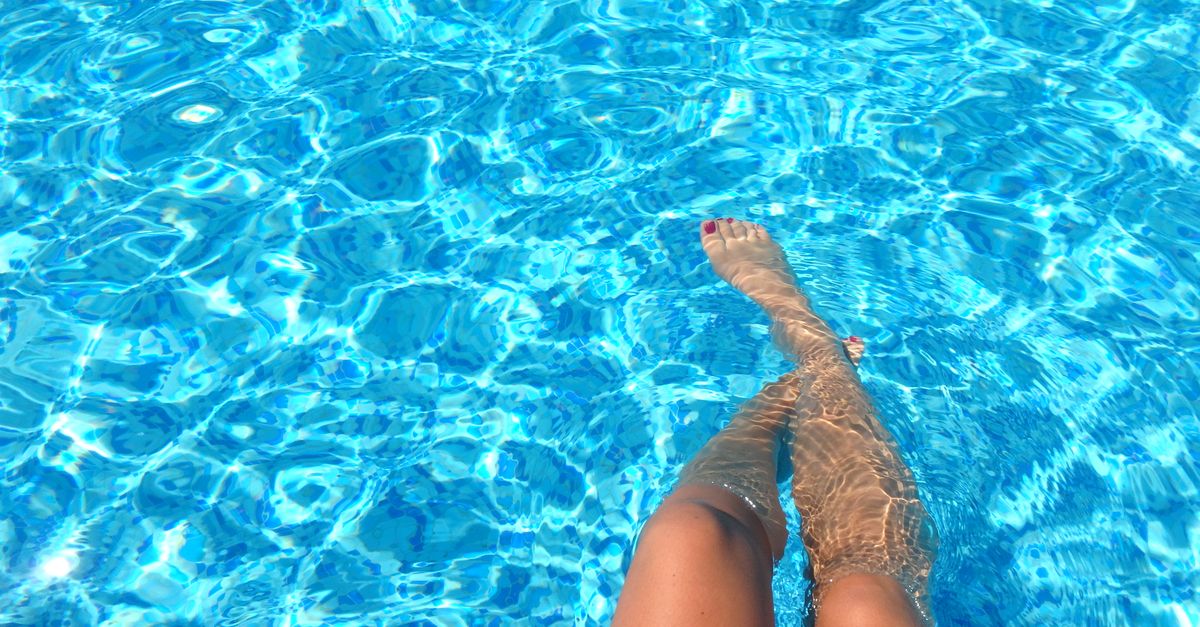
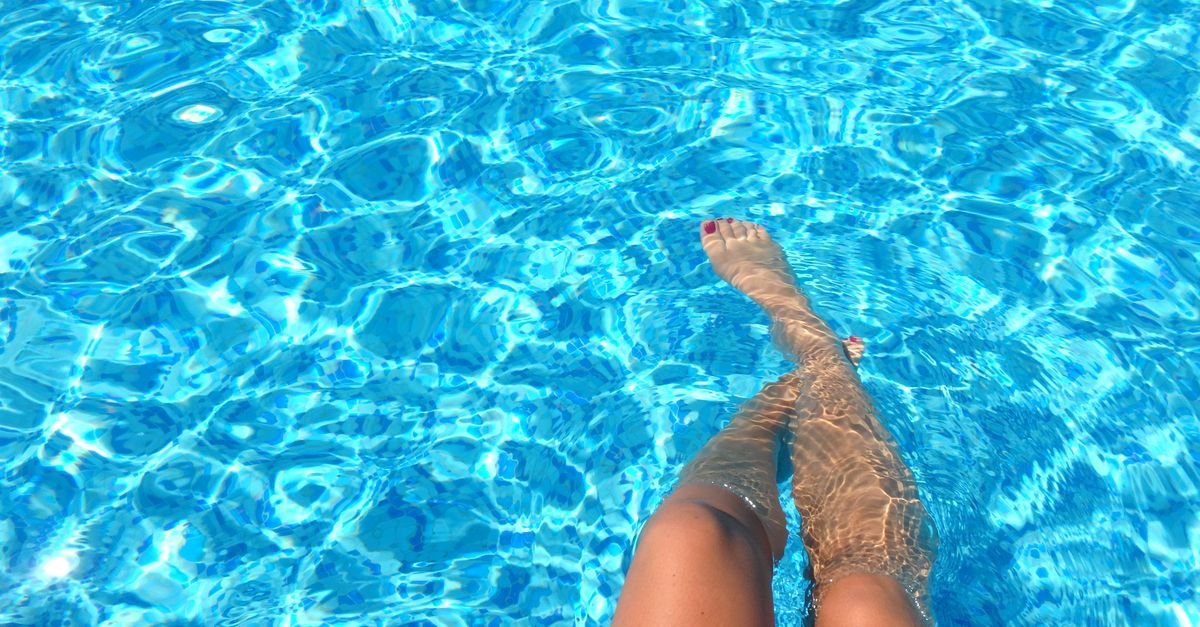
Clear water is a good sign. Cloudy, milky, or green water is not. Walk to the deep end and look for the main drain. If you can’t see it clearly, the pool has a filtration or chemical problem. You should also be able to see the bottom of the pool without squinting. If the water looks like pea soup or has floating debris, skip the dip.
Think of clarity like a window. If the window is dirty, you can’t trust what’s behind it. Cloudy water can hide harmful bacteria, and it often means the disinfectant is struggling to keep up. A clean pool should look inviting, not mysterious.
The Smell Test: Clean Doesn’t Mean Strong
Here’s a myth buster: a pool that smells strongly of chlorine is not necessarily clean. That sharp, “pool smell” usually comes from chloramines. Chloramines form when chlorine mixes with sweat, urine, and other organic matter. They irritate your eyes, nose, and throat. So if the air around the pool makes you cough or your eyes water before you get in, that’s a red flag.
A well-maintained pool should have little to no smell. If you smell nothing at all, that’s often better than a chemical punch. Of course, every pool has some chlorine odor, but “knock you over” strong is a warning sign. Your nose knows. Trust it.
Surface Check: Tiles, Grout, and Slime
Look at the pool’s edge, steps, ladders, and tile line. Do you see green, black, or pink slime? That’s biofilm—a cozy home for bacteria. Pink slime isn’t actually algae; it’s often a bacterium that can cause infections. Black or green algae isn’t usually dangerous by itself, but it signals poor maintenance.
Also check the grout and corners. If they feel slick or look grimy, the pool isn’t being cleaned properly. A clean pool has smooth tiles and no visible gunk. If you spot something fuzzy or slimy, don’t ignore it. Tell the pool operator or choose another swimming spot.
Chemical Balance: The Invisible Shield
You can’t see pH or chlorine levels with your naked eye. But they matter more than almost anything else. A pool’s chemicals are like a security team. When they’re balanced, they keep germs out and protect your skin. When they’re off, trouble moves in.
pH: The Comfort and Protection Meter
pH measures how acidic or basic the water is. The ideal range for pools is usually between 7.2 and 7.8. If pH is too low, the water becomes acidic. It can sting your eyes, irritate your skin, and corrode pool equipment. If pH is too high, chlorine becomes less effective, and you may see cloudy water or scaling.
Think of pH as the pool’s comfort zone. When it’s right, chlorine works well, and your skin stays happy. When it’s wrong, everything feels off. If you own a pool, test pH at least a few times a week. If you’re visiting a public pool, ask the staff when they last tested it. A good operator will know.
Free Chlorine: The Active Cleaner
Free chlorine is the chlorine that’s available to kill germs. The ideal range depends on your local regulations and cyanuric acid levels, but many pools aim for 1 to 3 parts per million (ppm). Too little, and germs survive. Too much, and you may get itchy skin, faded swimsuits, and irritated lungs.
Public pools are usually required to test chlorine regularly. If you’re at a hotel or community pool, you can ask to see the latest test log. Don’t be shy. It’s your health. At home, test free chlorine before every swim session, especially after heavy rain or a busy pool party.
Bromine, Salt, and Alternative Systems
Not every pool uses chlorine. Bromine is common in hot tubs and indoor pools because it’s gentler on skin and works well at higher temperatures. Saltwater pools still use chlorine—they just generate it from salt. So don’t assume “saltwater” means chemical-free. It doesn’t.
Other systems include ozone, UV, and hydrogen peroxide. These can reduce chemical use, but they usually work alongside a primary disinfectant. No matter what system a pool uses, the water still needs testing, filtration, and cleaning. There’s no magic wand that removes the need for hygiene.
Total Alkalinity, Calcium Hardness, and Cyanuric Acid
These three are the supporting cast. Total alkalinity keeps pH from bouncing around. Calcium hardness prevents water from eating away at pool surfaces. Cyanuric acid protects chlorine from sunlight. If any of these are out of range, your pool can become cloudy, corrosive, or less sanitary.
You don’t need to memorize perfect numbers unless you own a pool. But if you do, test them weekly. For public pools, these levels should be part of the regular maintenance log. If the pool looks cloudy and the staff can’t tell you the last test results, that’s a problem.
Circulation and Filtration: The Pool’s Lungs
Chemicals kill germs, but circulation and filtration remove dirt, leaves, sunscreen, and dead bacteria. Think of the pump and filter as the pool’s lungs. If they stop working, the water suffocates under its own waste. You can usually spot circulation problems before you get in.
Listen for Pumps and Check Returns
Can you hear the pump running? Do you see water moving at the returns—the jets that push water back into the pool? If the surface is completely still, the circulation may be off. A little movement is normal. A dead, glassy surface is not.
At a public pool, you should see skimmers pulling in surface debris and returns creating gentle currents. If the water looks stagnant, germs can concentrate in one area. That’s like leaving a fan off in a stuffy room. The air gets stale. Pool water gets dirty.
Skimmers, Drains, and Grates
Check the skimmer baskets if you can see them. Are they full of leaves, hair, and bugs? A full skimmer can’t do its job. Also look at drain covers and grates. They should be secure, intact, and free of debris. Broken or missing drain covers are a serious safety hazard, especially for children.
If you notice missing grates or strong suction, get out and tell the operator immediately. This isn’t just about hygiene—it’s about safety. A pool with poor drainage can trap hair or limbs. Never ignore a broken drain cover.
Public Pool Red Flags
Public pools can be excellent. Many are well-run, clean, and safe. But some cut corners. You need to know what to look for, especially when you’re swimming with kids or in a crowded facility.
Inspection Reports and Certificates
Ask to see the pool’s latest inspection report. Many health departments post these online or require them to be available on-site. Look for violations related to chlorine levels, pH, filtration, and safety equipment. A single minor issue isn’t always a dealbreaker, but repeated violations are.
Also check for operator certifications. A trained pool operator knows how to test and adjust chemicals. If no one can answer basic questions about water testing, that’s a giant red flag. You wouldn’t eat at a restaurant that can’t tell you how it stores food. Don’t swim in a pool that can’t tell you how it treats water.
Crowds, Diapers, and Shared Water
The more people in the pool, the harder the chemicals have to work. Crowded pools need more frequent testing and higher turnover. If the pool is packed and the water looks cloudy, it’s probably struggling. Kids in swim diapers are another factor. Swim diapers do not keep urine or diarrhea out of the water. They only hold solids.
If you see a baby with a regular diaper in the pool, speak up. Regular diapers swell and leak. If you see poop in the water, everyone should get out immediately. The pool needs to be closed and shocked. No exceptions.
Home Pool Hygiene: What Owners Should Test Weekly
If you own a pool, you’re the lifeguard, chemist, and janitor all in one. It’s not hard, but it does require a routine. Skipping tests for a week can turn your crystal-clear oasis into a science experiment.
Test Strips vs. Liquid Kits vs. Digital Testers
Test strips are fast and easy, but they’re not always accurate. Liquid kits take more time but give better readings. Digital testers are convenient and precise, but they need calibration. For home pools, a liquid kit is often the best balance of cost and accuracy. Use strips for quick checks between full tests.
Whatever you choose, store your test kit out of direct sunlight and replace outdated reagents. Old chemicals give false readings. False readings lead to wrong adjustments. Wrong adjustments lead to bad water. It’s a chain reaction you don’t want.
A Simple Testing Routine
Test free chlorine and pH every day or two during swim season. Test total alkalinity weekly. Test calcium hardness and cyanuric acid monthly, or whenever you add fresh water. After heavy rain, a big party, or a diaper accident, test immediately and shock the pool if needed.
Keep a log. Write down the date, time, and results. This helps you spot trends. If pH keeps dropping, you may have a source of acid. If chlorine keeps vanishing, you may have algae or too much cyanuric acid. A log turns guesswork into detective work.
Before You Dive: Personal Hygiene Habits
Pool hygiene isn’t just about the water. It’s also about you. Swimmers bring germs and oils into the pool. Good habits protect everyone, including you.
Shower First—Yes, Really
Take a quick shower before you swim. Rinse your body, especially your rear and genital area. This removes sweat, urine, and dirt before they hit the pool. It sounds obvious, but most people skip it. Don’t be most people.
A shower also helps your skin adjust to the water. It reduces the amount of chlorine you need to neutralize. The pool will thank you, and so will your fellow swimmers. It takes one minute. That’s less time than applying sunscreen.
Swim Diapers Are Not Regular Diapers
If you have a baby or toddler, use a swim diaper. Check it often. Change it away from the pool deck. Never rinse a soiled diaper in the pool. If your child has diarrhea, keep them out of the water entirely. Diarrhea can contain Cryptosporidium, a parasite that survives chlorine for days.
Swim diapers are not waterproof. They slow down leaks, but they don’t stop them. That’s why frequent bathroom breaks matter. For older kids, schedule potty breaks every hour. It’s not glamorous, but it keeps the pool safe.
Don’t Swim Sick
If you have diarrhea, stay out of the pool. If you’ve had diarrhea in the past two weeks, wait until it’s fully resolved. If you have an open wound, cover it with a waterproof bandage. If you have a contagious skin infection, don’t swim. You’ll spread it to others.
I know it’s disappointing to miss a swim day. But sharing germs isn’t kind. Think of it as pool etiquette 101. Your friends will thank you for staying dry.
What to Do If the Water Looks or Smells Off
You’ve checked the water. Something feels wrong. Maybe it’s cloudy, maybe it smells like a chemical factory, maybe you see slime on the steps. What now?
First, don’t get in. Second, tell the pool operator or owner. Be specific. Say, “The water is cloudy near the deep end,” or “The chlorine smell is very strong.” If they dismiss your concerns or can’t show test results, leave. Your health is worth more than a swim.
If you own the pool, close it until you fix the problem. Test the water, adjust chemicals, clean the filter, and shock the pool if needed. Don’t reopen until the water is clear and the levels are balanced. A cloudy pool is not a “wait and see” situation. It’s a “fix it now” situation.
After the Dip: Rinse, Dry, and Protect
Your post-swim routine matters too. Rinse off with fresh water. Wash your swimsuit and towel. Dry your ears to prevent swimmer’s ear. If you have sensitive skin, use a gentle moisturizer after rinsing. Chlorine and bromine can strip natural oils, leaving you itchy and dry.
Drink water. Swimming dehydrates you more than you think. And if you feel sick later—especially with diarrhea, vomiting, or a skin rash—see a doctor. Tell them you were swimming. That detail helps them figure out what’s going on.
Conclusion: Your Best Defense Is a Quick Check
Swimming pool hygiene doesn’t have to be complicated. Before you dip, look at the water. Smell the air. Check the tiles. Ask about test results. Shower before you swim. Stay out if you’re sick. These small habits add up to a big difference.
Remember, a clean pool is not just about clear water. It’s about balanced chemicals, working filters, clean surfaces, and responsible swimmers. You don’t need to be an expert. You just need to pay attention. Your body will thank you, and your swim will be better because of it.
So next time you’re standing at the edge of a pool, ready to jump, take that 60-second check. It’s the easiest health decision you’ll make all day. And hey—if something seems off, trust your gut. The best swim is a safe swim.
FAQs
How often should pool water be tested?
Public pools should test free chlorine and pH at least a few times per day, sometimes hourly during busy periods. Home pools should test chlorine and pH every day or two during swim season. Total alkalinity can be tested weekly, while calcium hardness and cyanuric acid are usually monthly. After heavy rain, parties, or accidents, test immediately.
Can I get sick from a clean-looking pool?
Yes. Clear water doesn’t guarantee safe water. Some germs, like Cryptosporidium, are resistant to normal chlorine levels and can survive in sparkling water. That’s why chemical balance, filtration, and swimmer hygiene all matter. If you’re unsure, ask for test results or skip the swim.
Is chlorine smell a sign of too much chlorine?
Not usually. A strong chlorine smell often means there are chloramines in the water. Chloramines form when chlorine reacts with sweat, urine, and other organic matter. They irritate eyes and lungs. A well-balanced pool should have very little odor.
Should I shower before and after swimming?
Yes. Showering before swimming removes sweat, dirt, and oils, so the pool stays cleaner. Showering after removes chlorine, bromine, and other chemicals from your skin and hair. It also reduces the risk of skin irritation and rashes.
Are saltwater pools chemical-free?
No. Saltwater pools use a chlorine generator to turn salt into chlorine. They still rely on chlorine to disinfect the water. The difference is how the chlorine is produced, not whether it’s used. Saltwater pools still need testing, balancing, and cleaning.