Table of Contents
- Ear Health: When Wax Removal Does More Harm
- What Earwax Really Does for You
- The Rise of DIY Wax Removal
- When Wax Removal Goes Wrong
- Symptoms That Might Not Be Wax
- Safe Ways to Manage Earwax at Home
- When to See a Professional
- Ear Health for Kids and Seniors
- Preventing Problems Without Overcleaning
- Myths About Earwax Removal
- Conclusion
- FAQs
Ear Health: When Wax Removal Does More Harm
Earwax has a terrible reputation. Most people treat it like an unwanted houseguest that needs to be escorted out immediately. You might see a little yellow wax on a cotton swab and think, “Good riddance.” But here’s the twist: that wax was never the enemy. In fact, it is one of your ear’s most loyal bodyguards. The real trouble often starts when you try to remove it too aggressively, too often, or with the wrong tools.
Ear health is not about having a perfectly dry, spotless ear canal. It is about keeping a delicate ecosystem balanced. When wax removal does more harm than good, you can end up with pain, infections, hearing loss, ringing in the ears, or a wax plug that is far worse than the original problem. So let’s walk through what earwax actually does, why common removal methods backfire, and how to protect your ears without turning them into a DIY science experiment.
What Earwax Really Does for You
Earwax, also called cerumen, is not dirt. It is a mix of oils, sweat, dead skin cells, and other substances produced by glands in the ear canal. Think of it as a natural moisturizer, waterproofing agent, and security system rolled into one. It traps dust, bacteria, fungi, and small debris before they can travel deeper into the ear. It also keeps the skin inside the canal from drying out and cracking.
Because earwax is slightly acidic, it helps create an environment where harmful germs have a harder time thriving. It also repels water, which matters more than you might think. If water gets trapped in the ear canal, the skin can become soggy and vulnerable to infection. Earwax helps keep that from happening. In other words, your ears are not dirty when they have wax. They are protected.
The Self-Cleaning Ear Canal
Here’s the part many people miss: your ears are designed to clean themselves. The skin inside the ear canal grows outward in a slow, conveyor-belt-like motion. As you chew, talk, and move your jaw, that old wax and trapped debris gradually migrate toward the opening of the ear. From there, it flakes away or washes off when you shower.
That means you usually do not need to dig inside your ears at all. The system works best when you leave it alone. When you jam a cotton swab, key, bobby pin, or ear pick into the canal, you interrupt that natural conveyor belt. You push wax back toward the eardrum, scratch the skin, and sometimes create a blockage where none existed before.
Why Texture and Color Matter
Earwax comes in many colors and textures. It can be yellow, orange, brown, or even dark and almost black. It can be soft and wet or dry and flaky. Those differences are usually genetic, age-related, or simply a sign of how long the wax has been exposed to air. Dark wax is not automatically “dirty” wax. It may just be older and more oxidized.
What matters more is whether you have symptoms. If your ear feels blocked, hurts, drains fluid, bleeds, or if your hearing suddenly changes, that is a reason to get checked. The color alone is rarely the problem. Your ear canal is not a tile floor that needs to look sparkling white. It is a living, self-maintaining passage, and a little wax is normal.
The Rise of DIY Wax Removal
Thanks to social media, earwax removal has become a strange form of entertainment. Videos show giant wax plugs being pulled from ears, and suddenly everyone wants to try it at home. You can buy tiny cameras, suction devices, curettes, and irrigation kits online. Some of these tools are used safely by doctors and audiologists, but that does not mean they are safe in untrained hands.
The ear canal is narrow, dark, and delicate. You cannot see what you are doing as well as you think. One wrong angle can scratch the skin, puncture the eardrum, or push wax deeper. The internet may make removal look satisfying, but your ears do not care about satisfying. They care about staying intact.
Cotton Swabs: The Classic Mistake
Cotton swabs are the most common culprit. They feel soft, so people assume they are gentle. But the cotton tip is bigger than the ear canal in many people, and it acts like a plunger. Instead of removing wax, it compacts it. You might pull out a little yellowish residue, which gives you the illusion of cleaning, but the real wax is now packed tighter and deeper.
There is an old saying: never put anything smaller than your elbow in your ear. It sounds silly, but it is shockingly accurate. Cotton swabs can also cause micro-abrasions in the skin. Those tiny cuts may not hurt at first, but they create an open door for bacteria. Later, you end up with an itchy, painful ear infection that has nothing to do with wax and everything to do with the swab.
Ear Candles and Dangerous Tricks
Ear candling is another popular DIY method that refuses to disappear. A hollow candle is placed in the ear and lit. The idea is that the flame creates a vacuum that pulls wax out. It looks dramatic, and the leftover residue inside the candle can convince people that it worked. Unfortunately, that residue is mostly candle wax, ash, and burnt debris—not your earwax.
Ear candling can cause burns, block the ear canal with dripping wax, and even perforate the eardrum. It offers no proven benefit. If you want a mental image, imagine trying to vacuum a carpet with a candle. It makes no sense, and it is far more likely to start a fire than clean anything.
Why Ear Candles Don’t Work
The vacuum theory falls apart under basic physics. A candle flame does not create enough negative pressure to pull wax through the ear canal. Even if it did, the wax would have to travel up a narrow tube against gravity and resistance. What you see in the candle is simply melted candle wax and soot. The practice is unsafe, ineffective, and a classic example of ear health misinformation.
When Wax Removal Goes Wrong
Wax removal becomes harmful when it damages the skin, pushes wax deeper, or introduces infection. The symptoms can be mild at first: a little fullness, an itch, or muffled hearing. Then they can escalate into sharp pain, drainage, dizziness, or ringing. If you have ever regretted cleaning your ears, you are not alone. It is one of the most common self-inflicted ear problems.
Micro-Tears and Infections
The skin inside your ear canal is thinner than the skin on the back of your hand. It is not built for scraping, poking, or scrubbing. When a cotton swab or sharp tool scratches it, bacteria can enter. The result is often otitis externa, also known as swimmer’s ear. This infection causes pain, swelling, itching, and sometimes a foul-smelling discharge.
Here is the frustrating part: the infection may not appear immediately. You might feel fine after cleaning, then wake up two days later with an ear that throbs when you touch it. In severe cases, the canal swells shut, making it hard for drops or sound to pass through. That is when a simple habit turns into a medical visit.
Impacted Wax and Hearing Loss
Impacted wax is another common consequence. When you push wax toward the eardrum, it can form a hard plug. That plug may block sound, create a feeling of pressure, and cause tinnitus. You may also experience hearing loss that comes and goes, especially after showering or swimming when the wax absorbs water and expands.
People with narrow ear canals, hearing aids, or a history of ear surgery are especially prone to impaction. Older adults also produce drier, harder wax that does not migrate out as easily. In those cases, the problem is not that you have too much wax. The problem is that your removal attempt trapped it in the wrong place.
The Boomerang Effect of Swabbing
Have you ever noticed that the more you clean your ears, the itchier they feel? That is the boomerang effect. Swabbing removes the protective wax layer, leaving the skin dry and irritated. The ear responds by producing more wax. Then it itches again. You swab again. The cycle repeats until the canal is inflamed, raw, and sometimes infected.
It is like scratching a mosquito bite. The relief lasts for a second, but the itch comes back stronger. Your ears are not asking for a deep clean. They are asking to be left alone.
Symptoms That Might Not Be Wax
Not every ear problem is wax. In fact, blaming wax for every ache, pop, or muffled sound can delay the right diagnosis. Ear pain, pressure, hearing changes, and dizziness can come from infections, allergies, jaw problems, nerve issues, or inner ear conditions. If you assume it is just wax and start digging, you may make a different problem worse.
Pain, Discharge, and Fever
Pain is a red flag. Wax generally does not cause sharp, stabbing pain unless it is severely impacted or infected. Discharge is another warning sign. If fluid, pus, blood, or crusty drainage is coming from your ear, do not try to clean it yourself. Fever, swelling around the ear, and redness can also point to an infection that needs medical treatment.
In those situations, the ear canal is already irritated or damaged. Inserting drops, tools, or water may worsen the problem. Your best move is to see a healthcare professional who can examine the ear safely.
Tinnitus and Dizziness
Ringing in the ears, called tinnitus, can be caused by wax blockage, but it can also be caused by noise damage, medications, circulation problems, or inner ear disorders. Dizziness is similar. A wax plug might make you feel off balance, but sudden vertigo, spinning, or hearing loss in one ear needs urgent evaluation.
If you have tinnitus or dizziness along with hearing loss, do not assume a home remedy will fix it. Get a professional opinion. Your ears are part of a complex system that connects to your brain, balance centers, and blood vessels. A little wax is not always the whole story.
Safe Ways to Manage Earwax at Home
There are safe ways to manage wax, but they come with conditions. First, you need to know your ear is healthy. If you have a perforated eardrum, ear tubes, a history of ear surgery, active infection, or unexplained hearing loss, home removal is not a good idea. When in doubt, ask a professional.
For healthy ears with mild wax buildup, the gentlest approach is often wax-softening drops. These do not “melt” wax instantly. They soften it so the ear can naturally push it out. Patience matters. You may need several days of drops before you notice a difference.
Drops That Soften Wax
Common options include saline, carbamide peroxide, glycerin, and mineral oil. Some people use olive oil or almond oil, but you should still check with a pharmacist or doctor before putting anything in your ear. Warm the drops to body temperature by holding the bottle in your hand. Lie on your side, put a few drops in, and stay there for a few minutes. Then sit up and let the softened wax drain naturally.
Do not use drops if you have pain, discharge, a known perforation, or a history of ear infections. And do not use them indefinitely. If the ear still feels blocked after a few days, it is time to see a professional.
Irrigation: Helpful or Harmful?
Ear irrigation uses water to flush out softened wax. In a doctor’s office, it can be effective and safe when done correctly. At home, it is riskier. The water must be body temperature, the pressure must be gentle, and the eardrum must be intact. Too much pressure can injure the ear, and too much water can trap moisture and cause infection.
If you decide to try an at-home irrigation kit, follow the instructions exactly. Stop immediately if you feel pain, dizziness, or sudden hearing changes. Never use a high-pressure device like a Waterpik on your ears. That is a recipe for disaster.
Who Should Never Irrigate
Irrigation is off-limits for anyone with a perforated eardrum, ear tubes, a history of ear surgery, active ear infection, or unexplained hearing loss. It is also risky for people with diabetes, weakened immune systems, or a very narrow ear canal. In those cases, microsuction or manual removal by a professional is much safer.
When to See a Professional
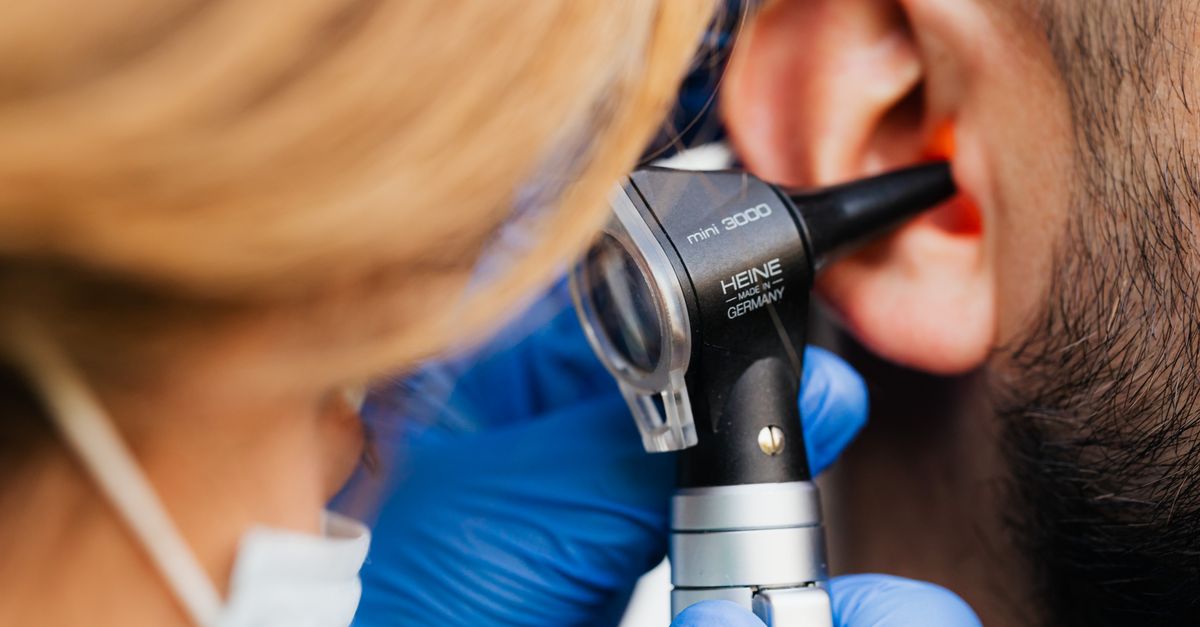
You should see a professional if wax is causing hearing loss, pain, pressure, ringing, or dizziness. You should also go if home treatments have not worked, if you have discharge or bleeding, or if you cannot see inside your own ear. An ENT, audiologist, or primary care provider can look with an otoscope and determine whether wax is really the issue.
Professional removal is usually quick and comfortable. It may involve microsuction, a curette, irrigation, or a combination of methods. The right approach depends on your ear canal, the consistency of the wax, and your medical history. Unlike a cotton swab, these tools are used with magnification, lighting, and training.
What an ENT or Audiologist Does
First, they examine your ear canal and eardrum. They check for redness, swelling, perforation, infection, and the location of the wax. Then they choose the safest removal method. Microsuction uses a small suction device under a microscope. A curette is a tiny loop that scoops wax out. Irrigation may be used if the wax is soft and the eardrum is healthy.
After removal, they may recommend drops to reduce inflammation or soften remaining wax. They can also tell you whether your symptoms were caused by wax or something else. That clarity is worth far more than another risky DIY attempt.
Ear Health for Kids and Seniors
Different age groups face different earwax challenges. Kids often have small, sensitive ear canals. Older adults often have drier wax and more hearing aid use. Both groups benefit from gentle care and professional help when needed.
Kids and Cotton Swabs
Parents should never use cotton swabs inside a child’s ear canal. Children have narrow canals and delicate eardrums. They also wiggle. A sudden movement can cause injury. If you notice wax in your child’s outer ear, wipe it away with a soft cloth. If you are worried about hearing, discharge, or repeated ear infections, see a pediatrician or ENT.
Kids also imitate what they see. If they watch you clean your ears with a swab, they may try it themselves. Model healthy habits by leaving your own ears alone.
Older Adults and Wax Buildup
As we age, earwax tends to become drier and harder. The natural migration process slows down. Hearing aids can also block wax from exiting the ear canal. Over time, this leads to impaction, muffled hearing, and feedback from the hearing aid. Regular ear checks with an audiologist or ENT can prevent these problems.
Never ignore hearing changes in older adults by assuming it is “just wax.” It might be, but it could also be age-related hearing loss or another condition. A professional evaluation sorts it out safely.
Preventing Problems Without Overcleaning
Prevention is mostly about doing less. Clean the outer ear with a warm, damp cloth. Dry it gently after showering or swimming. Avoid inserting anything into the canal. If you use earbuds or hearing aids, clean them regularly and give your ears breaks.
If you are prone to wax buildup, your doctor may recommend occasional softening drops or scheduled professional cleanings. That is not a failure of hygiene. It is simply how some ears are built.
Let Your Ears Breathe
Your ear canal does not need air conditioning, but it does need to stay dry and unobstructed. After swimming, tilt your head and gently pull your earlobe to help water drain. Use a towel to dry the outer ear. Do not blow-dry hot air into the canal, and do not dig around with a towel corner. A little patience is safer than a lot of force.
Protect Against Water and Noise
If you are prone to swimmer’s ear, use earplugs when swimming. If you work around loud noise, wear hearing protection. Both habits support long-term ear health. Remember, wax removal is not the only thing that affects hearing. Noise, infections, and underlying medical conditions matter just as much.
Myths About Earwax Removal
Let’s clear up a few stubborn myths. The more you know, the less likely you are to damage your ears in the name of cleanliness.
“If It Feels Clean, It Is Safe”
Feeling clean is not proof of safety. Cotton swabs can scratch the canal without causing immediate pain. The damage may show up later as infection, itching, or swelling. A clean-feeling ear can still be an injured ear.
“Earwax Is Dirty”
Earwax is not dirt. It is a protective substance that keeps your ear canal healthy. Treating it like filth leads to overcleaning, which strips away the protection and creates problems. Your ears are not meant to be squeaky clean inside.
Conclusion
Your ears are not high-maintenance. They are self-cleaning, self-protecting, and surprisingly good at their job. The trouble starts when we decide they need help they never asked for. Cotton swabs, ear candles, sharp tools, and aggressive irrigation can push wax deeper, scratch delicate skin, cause infections, and even damage hearing. Ear health is often about restraint, not intervention.
If your ears feel blocked, painful, or muffled, do not go digging. Try gentle softening drops only if you know your eardrum is healthy. If symptoms continue or you have discharge, fever, dizziness, or hearing loss, see a professional. When wax removal does more harm, the fix is usually simple: stop, assess, and let someone with the right tools and training handle it. Your ears will thank you by doing what they do best—protecting your hearing for years to come.
FAQs
1. Can I use cotton swabs if I am very careful?
No. Even careful swabbing can push wax deeper and scratch the ear canal. The cotton tip acts like a plunger, and you cannot see the eardrum well enough to know when you are causing damage. It is best to avoid cotton swabs inside the ear entirely.
2. How often should I clean my ears?
For most people, the answer is never inside the ear canal. Wipe the outer ear with a damp cloth when you shower. If wax builds up and causes symptoms, use softening drops or see a professional. Frequent cleaning usually makes wax problems worse.
3. Are ear candles safe?
No. Ear candling does not remove earwax, and it can cause burns, block the canal with candle wax, or perforate the eardrum. The residue inside the candle is not proof of removed wax. It is a dangerous myth.
4. What are the signs of impacted earwax?
Common signs include a feeling of fullness, muffled hearing, ringing in the ear, itching, and mild discomfort. If home drops do not help or if you have pain, discharge, or sudden hearing loss, see a doctor for safe removal.
5. Can earwax removal cause hearing loss?
Yes, if it pushes wax against the eardrum, scratches the canal, causes an infection, or perforates the eardrum. Improper removal can create temporary or even permanent hearing problems. Professional removal is much safer when you have symptoms or a known ear condition.