Health Checkups: What Should You Know?
Table of Contents
- Why Health Checkups Matter More Than You Think
- Types of Health Checkups You Should Consider
- How Often Should You Get a Health Checkup?
- What to Expect During a Health Checkup
- How to Prepare for Your Health Checkup
- Common Myths About Health Checkups
- Overcoming Barriers to Regular Checkups
- Conclusion: Take Charge of Your Health Today
- FAQs About Health Checkups
Why Health Checkups Matter More Than You Think
Let me ask you something: when was the last time you had a proper health checkup? Not just a quick visit because you felt sick, but a full, preventive checkup? If you’re scratching your head, you’re not alone. Many of us treat our bodies like that old car we keep meaning to service—we only pop the hood when something starts smoking. But here’s the thing: health checkups are your best chance to catch problems before they become emergencies.
The Silent Killers Among Us
High blood pressure, high cholesterol, type 2 diabetes—these conditions rarely announce themselves with flashing neon signs. They creep up quietly, year after year, until one day you’re facing a serious diagnosis. A regular checkup is like a security camera for your health. It spots the intruder before he breaks down the door. Think about it: would you rather find out you have prediabetes now, when you can reverse it with diet and exercise, or later when it’s full-blown diabetes? The choice seems obvious, right?
Prevention vs. Reaction: A Simple Analogy
Imagine you own a house. You can either fix the leaky roof after it caves in, or you can climb up there once a year and patch the small cracks. Health checkups are the annual roof inspection—boring, maybe a little inconvenient, but way cheaper and less painful than a collapsed ceiling. Prevention isn’t glamorous. It’s not dramatic. But it’s the smartest investment you can make in your future self. So why do so many of us skip it? Fear, busy schedules, or just plain forgetfulness. Let’s change that.
Types of Health Checkups You Should Consider
Not all checkups are created equal. Depending on your age, gender, family history, and lifestyle, your doctor might recommend a mix of screenings and exams. Here’s a breakdown of the most common ones you should know about.
Annual Physical Exam
This is the classic “yearly physical” you’ve heard about. It’s a general assessment of your overall health. Your doctor will check your weight, blood pressure, heart rate, and lungs. They’ll also ask about your diet, exercise, sleep, and stress levels. It’s a chance to establish a baseline and track changes over time. Don’t have a primary care doctor? Now’s the time to get one—they’re your health quarterback, coordinating all your care.
What to Expect During an Annual Physical
You’ll start with a nurse checking your vitals. Then the doctor comes in for a conversation and a hands-on exam. They might listen to your heart and lungs, feel your abdomen, and check your reflexes. For men, it might include a testicular exam; for women, a breast exam. Depending on your age, they might also order blood work. It’s usually quick—about 30 to 45 minutes—but those minutes can add years to your life. Not a bad trade-off, huh?
Blood Pressure and Cholesterol Screening
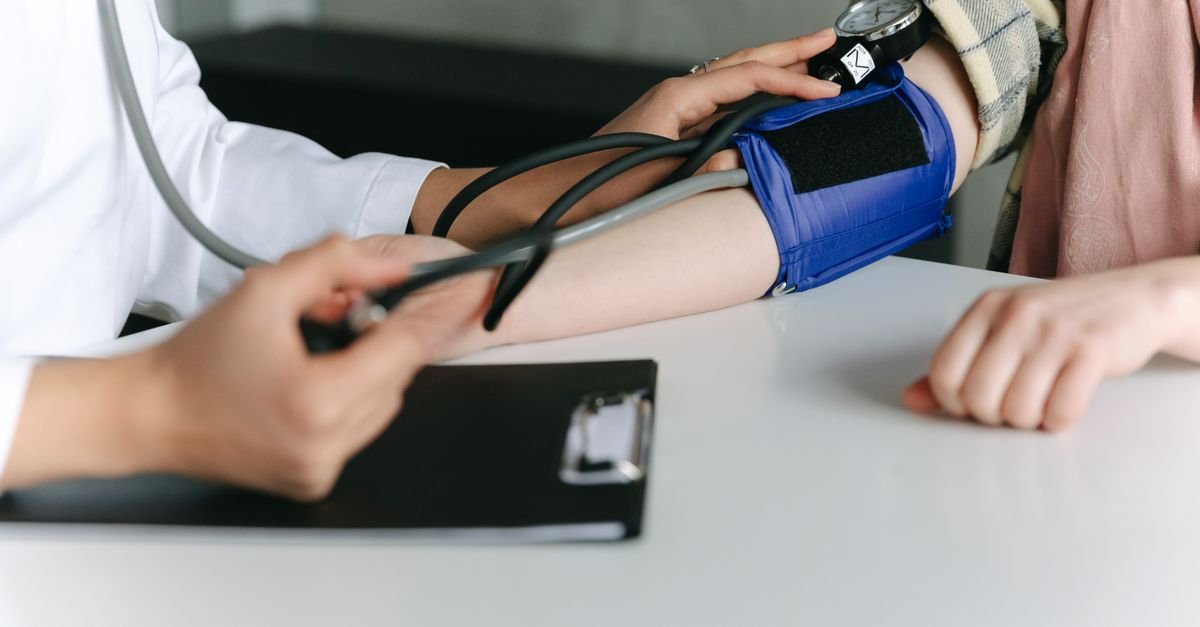
These two are the dynamic duo of heart health. High blood pressure is often called the “silent killer” because it has no symptoms until it damages your heart, brain, or kidneys. A simple cuff on your arm gives you the numbers. Cholesterol screening requires a blood test, usually after fasting. You want to know your LDL (bad) and HDL (good) cholesterol levels. If they’re out of whack, you can address them with diet, exercise, or medication. Knowledge is power, my friend.
Diabetes Screening
Diabetes is sneaky. You might feel fine while your blood sugar quietly wreaks havoc on your blood vessels and nerves. A simple fasting blood glucose test or an A1C test can catch prediabetes or diabetes early. The CDC recommends screening starting at age 35 for most adults, but if you have risk factors like obesity, high blood pressure, or a family history, you might need it sooner. Catching it early means you can prevent complications like nerve damage, kidney failure, and vision loss. That’s a big deal.
Cancer Screenings
Cancer screenings are like smoke detectors—they don’t prevent fires, but they give you a fighting chance to escape. Different screenings are recommended based on your age, gender, and risk factors. Let’s break down the most common ones.
Common Cancer Screenings by Age and Gender
- Colorectal cancer: Starting at age 45 for both men and women. Options include a colonoscopy every 10 years or a stool-based test every year.
- Breast cancer: Women should start mammograms between ages 40 and 50, depending on risk factors. Talk to your doctor about what’s right for you.
- Cervical cancer: Pap smears start at age 21, with HPV testing added after 30. Frequency depends on previous results.
- Prostate cancer: Men should discuss PSA testing with their doctor starting around age 50 (or 45 if high risk).
- Lung cancer: If you’re a current or former smoker aged 50-80 with a 20-pack-year history, low-dose CT scans are recommended annually.
These aren’t one-size-fits-all. Your doctor will tailor the schedule to your personal risk profile. But don’t ignore them—early detection saves lives.
Mental Health Checkups
Your brain is part of your body, right? So why would you skip mental health? A good checkup includes screening for depression, anxiety, and stress. Your doctor might ask simple questions like, “Over the past two weeks, how often have you felt down, depressed, or hopeless?” Answer honestly. Mental health is just as important as your blood pressure. There’s no shame in getting help—it’s strength.
How Often Should You Get a Health Checkup?
Ah, the million-dollar question. There’s no single answer that fits everyone. It depends on your age, health status, and family history. But here are some general guidelines to get you started.
Age-Based Checkup Frequency
- 20s and 30s: Every 2-3 years if you’re healthy. Focus on blood pressure, cholesterol, and lifestyle counseling.
- 40s and 50s: Every 1-2 years. Add diabetes screening, colon cancer screening (starting at 45), and mammograms for women.
- 60s and beyond: Every year. More frequent screenings for heart disease, osteoporosis, and cognitive health. Also, update your vaccinations.
But these are just baselines. Your doctor might want to see you more often if you have chronic conditions or risk factors.
Risk Factors That Change the Schedule
Do you have a family history of heart disease? Are you overweight? Do you smoke? Do you have high stress or a sedentary job? All of these can bump up your checkup frequency. Think of your risk factors as your personal health weather report—they tell you whether you need to carry an umbrella (or see the doctor) more often. Be honest with your doctor about your habits. They’re not there to judge; they’re there to help.
What to Expect During a Health Checkup
If you’ve never had a full checkup, you might be nervous. Totally normal. Let’s walk through what usually happens so you know what’s coming.
The Conversation with Your Doctor
This is the most important part. Your doctor will ask about your medical history, family history, medications, allergies, and lifestyle. They’ll ask about your diet, exercise, sleep, stress, and sexual health. Be honest—this isn’t a test you can fail. The more they know, the better they can help. Don’t downplay symptoms or habits. You’re not wasting their time; you’re giving them the data they need.
Physical Examinations and Lab Tests
After the chat, you’ll get a physical exam. This might include:
- Checking your vital signs (blood pressure, heart rate, temperature, oxygen saturation)
- Listening to your heart and lungs
- Examining your skin for unusual moles or rashes
- Checking your abdomen for tenderness or swelling
- Looking in your ears, nose, and throat
- Testing your reflexes and muscle strength
Depending on your age and risk factors, you might also get blood work, a urine test, or other screenings. It’s usually quick and painless. The worst part is often the fasting for blood work—so plan a nice breakfast for afterward.
The Follow-Up: Making Sense of Results
You’ll get your results in a few days or weeks. Don’t just file them away. Your doctor will explain what the numbers mean and whether you need to take action. If something is off, they’ll recommend next steps—lifestyle changes, medication, or further testing. Ask questions. If you don’t understand something, say so. It’s your body; you deserve to understand what’s going on.
How to Prepare for Your Health Checkup
A little preparation goes a long way. Here’s how to make the most of your visit.
Gather Your Family History
Your family tree is a health treasure map. Talk to your relatives about any history of heart disease, cancer, diabetes, mental illness, or genetic conditions. Write it down before your appointment. This information helps your doctor decide which screenings you need and when. Don’t have a close family? That’s okay—just tell your doctor what you know.
List Your Medications and Symptoms
Bring a list of all medications, supplements, and vitamins you take, including dosages. Also, jot down any symptoms you’ve been experiencing, even if they seem minor. A headache that happens every morning, a mole that changed color, a nagging cough—these are clues. Your doctor can’t help if they don’t know about them.
Practical Tips for the Day Of
- Wear loose, comfortable clothing that’s easy to remove for exams.
- Bring a list of questions you want to ask.
- If you need fasting blood work, schedule your appointment for the morning and bring a snack for afterward.
- Bring your insurance card and ID.
- Take a deep breath. You’ve got this.
Common Myths About Health Checkups
Let’s bust some myths that might be holding you back.
Myth 1: I Feel Fine, So I Don’t Need One
Feeling fine is great, but it’s not a diagnosis. Many serious conditions—high blood pressure, high cholesterol, early diabetes, even some cancers—have zero symptoms in their early stages. By the time you feel sick, the problem might be advanced. Think of it like a fire alarm. You don’t wait for smoke to install one. You put it up so you’ll know when there’s trouble. A checkup is your health’s fire alarm.
Myth 2: Checkups Are Too Expensive
Here’s the truth: prevention is almost always cheaper than treatment. A yearly checkup might cost you a copay or even be free under your insurance (many plans cover preventive care at 100%). But treating a heart attack, managing diabetes, or undergoing cancer treatment? That can cost tens or hundreds of thousands of dollars. Not to mention the emotional toll. Many communities also offer low-cost or free clinics. So don’t let cost scare you away—ask about options.
Myth 3: One Checkup Covers Everything
A checkup is not a one-and-done deal. Your health changes over time. A normal checkup this year doesn’t guarantee a normal one next year. Screenings have specific schedules—mammograms every year or two, colonoscopies every 10 years, etc. You need to keep coming back. Think of it like oil changes—you can’t just do it once and expect the engine to run forever.
Overcoming Barriers to Regular Checkups
I get it. Life is busy. There are real reasons people skip checkups. Let’s tackle the big three.
Time and Convenience
Between work, family, and everything else, who has time for a doctor’s visit? The trick is to schedule it like any other important appointment. Put it on your calendar six months in advance. Many clinics offer early morning, evening, or weekend hours. Some even offer telehealth for initial consultations. A checkup takes maybe two hours out of your year—that’s less time than you spend scrolling on your phone in a week. You can make the time.
Fear and Anxiety
Nobody loves getting poked and prodded. And the idea of getting bad news is scary. But here’s the thing: fear doesn’t make the problem go away. It just delays the inevitable. If something is wrong, wouldn’t you rather know early, when you have more options? Facing your fear is an act of self-care. Bring a friend for support. Tell your doctor you’re nervous. They’re used to it and can help you feel more comfortable.
Cost and Insurance
Money is a real concern for many people. Check your insurance plan—most cover preventive services at no cost to you. If you’re uninsured, look into community health centers, sliding-scale clinics, or government programs. Some pharmacies offer low-cost screenings. Don’t assume you can’t afford it until you’ve asked. Your health is worth the investment.
Conclusion: Take Charge of Your Health Today
So there you have it—health checkups aren’t a luxury or a chore. They’re a powerful tool for living a longer, healthier life. You don’t need to be perfect. You don’t need to love going to the doctor. You just need to show up, be honest, and follow through. Your future self will thank you. When was the last time you put yourself first? Maybe today is the day you schedule that checkup. Go ahead—you’ve got nothing to lose and everything to gain.
FAQs About Health Checkups
FAQ 1: How often should a healthy adult get a checkup?
For most healthy adults, a checkup every 1-3 years is reasonable, depending on your age. In your 20s and 30s, every 2-3 years is fine. After 40, aim for every 1-2 years. After 60, yearly is best. But always follow your doctor’s advice based on your personal risk factors.
FAQ 2: What if I can’t afford a checkup?
You have options. Check if your insurance covers preventive care (most do at 100%). If you’re uninsured, look for community health centers, free clinics, or sliding-scale programs. Many pharmacies offer low-cost blood pressure and cholesterol screenings. Don’t skip care because of cost—ask for help.
FAQ 3: Do I need a checkup if I’m young and fit?
Yes. Being young and fit reduces your risk, but it doesn’t eliminate it. Young people can have high blood pressure, high cholesterol, or even early signs of cancer. A checkup establishes a baseline and catches problems early. Plus, it’s a chance to ask questions about nutrition, exercise, and mental health.
FAQ 4: What should I bring to my first checkup?
Bring your ID, insurance card, a list of medications and supplements, your family medical history, and any questions you have. Also, note any symptoms you’ve been experiencing. If you have previous medical records, bring those too. Being prepared helps your doctor give you the best care.
FAQ 5: Can a checkup detect cancer early?
Absolutely. Many checkups include cancer screenings like mammograms, Pap smears, colonoscopies, and skin checks. These tests can find cancer in its earliest, most treatable stages—often before you notice any symptoms. Early detection dramatically improves survival rates. So yes, a checkup can literally save your life.