Table of Contents
- Natural Ways to Support Your Immune System: A Practical Guide to Everyday Resilience
- Introduction: Your Immune System Isn’t a Switch
- 1. Start with Sleep: The Unsexy Superpower
- 2. Feed Your Defenses with Real Food
- 3. Hydration: The Quiet Immune Supporter
- 4. Move Your Body, Not Just for Fitness
- 5. Manage Stress Before It Manages You
- 6. Spend Time Outside and Get Sunlight
- 7. Support Your Gut for a Stronger Immune Response
- 8. Build Social Connection and Laugh More
- 9. Use Herbs and Supplements Wisely
- 10. Keep Your Environment Clean but Not Sterile
- 11. Don’t Smoke and Limit Alcohol
- 12. Stay Up to Date on Vaccines and Checkups
- 13. Listen to Your Body When You Get Sick
- Conclusion: Small Habits, Stronger Defenses
- FAQs About Natural Immune Support
Natural Ways to Support Your Immune System: A Practical Guide to Everyday Resilience
Introduction: Your Immune System Isn’t a Switch
Your immune system isn’t a light switch you can flip from “weak” to “strong” with one miracle tea or a week of perfect eating. It’s more like a neighborhood watch: always patrolling, always communicating, and always adjusting to what’s happening around you. Some days it’s calm. Other days it’s busy. Your job isn’t to force it into overdrive. Your job is to give it steady, sensible support.
That’s good news, really. It means you don’t need a perfect routine or an expensive shelf of supplements. You need repeatable habits that work with your real life. Sleep, food, movement, stress, sunlight, connection, and basic preventive care all play a role. None of them is glamorous. Together, they’re powerful.
So, what does natural immune support actually look like in daily life? Think of it as tending a garden. You can’t yank the plants upward, but you can water the soil, pull the weeds, and give everything enough light. Let’s walk through the practical stuff.
1. Start with Sleep: The Unsexy Superpower
If you want to support your immune system, sleep is the place to begin. Not supplements. Not superfoods. Sleep. Your body uses deep sleep to repair tissue, regulate inflammation, and keep immune cells communicating properly. Skimp on it night after night, and your defenses start running on fumes.
How Much Sleep Do You Really Need?
Most adults need seven to nine hours. Some people genuinely need a little less; others need more. The real test is simple: Do you wake up feeling restored most days? If you need three alarms and a gallon of coffee just to function, your body is asking for more rest.
Keep in mind that sleep quality matters as much as sleep quantity. A restless eight hours can feel worse than a solid seven. So aim for consistency first. Go to bed and wake up at roughly the same time, even on weekends. Your immune system loves rhythm.
Build a Sleep-Friendly Routine
Try a simple wind-down sequence: dim the lights, put screens away earlier than usual, and do something low-key like reading, stretching, or listening to calm music. Keep your room cool and dark. Cut caffeine after lunch if you’re sensitive. And don’t treat your bed like an office, cinema, and snack bar all at once. Your brain needs a clear cue that bed means sleep.
2. Feed Your Defenses with Real Food
You’ve probably heard the phrase “eat the rainbow.” It sounds a bit cheesy, but it’s solid advice. Different colors in fruits and vegetables signal different plant compounds, and those compounds help your body manage oxidative stress and inflammation. You don’t need a perfect diet. You need variety, color, and enough protein.
The Immune-Boosting Plate
Picture your plate in three rough zones. One zone is colorful vegetables and fruit. Another is a quality protein source—eggs, fish, beans, lentils, chicken, tofu, yogurt. The third is a whole-carb or healthy-fat option, like brown rice, oats, olive oil, nuts, or seeds. That’s not a rigid rule. It’s a visual shortcut that keeps meals balanced without turning dinner into a spreadsheet.
Nutrients That Matter Most
Several nutrients get a lot of attention for immune support: vitamin C, vitamin D, zinc, selenium, iron, and protein. But here’s the catch—more isn’t better. Your body needs enough, not an endless supply. Citrus, berries, peppers, and broccoli cover vitamin C. Nuts, seeds, whole grains, and seafood bring zinc and selenium. Beans and meat provide iron. Eggs, dairy, fish, and legumes cover protein.
Whole foods also bring fiber, water, and thousands of compounds that don’t fit neatly on a supplement label. That’s why food-first support tends to win. Supplements can help in specific cases, but they can’t replace the bigger picture.
3. Hydration: The Quiet Immune Supporter
Hydration rarely gets cheers, but it matters. Your blood carries immune cells. Your mucus membranes—the moist linings of your nose and throat—act as physical barriers. When you’re dehydrated, those barriers can get dry and irritated, and that’s not helpful. Water isn’t a magic immune tonic, but it keeps the whole system running smoothly.
Simple Hydration Habits
Start your day with a glass of water. Keep a bottle where you can see it. Drink with meals. Add fruit slices, mint, or cucumber if plain water bores you. Herbal tea counts. So do water-rich foods like soup, watermelon, cucumber, and oranges. You don’t need to obsess over a perfect number, but you do need to notice your thirst and respond to it.
Signs You’re Running Low
Dark yellow urine, dry mouth, headaches, fatigue, and trouble concentrating are common clues. If you’re sweating, exercising, or recovering from illness, you’ll need more. On the flip side, you don’t need to force gallons of water down. Pale yellow urine and steady energy are decent everyday guides.
4. Move Your Body, Not Just for Fitness
Exercise does more than build muscle. It helps immune cells circulate, supports stress regulation, improves sleep, and reduces chronic low-grade inflammation over time. You don’t need to train like an athlete. A brisk walk, a bike ride, dancing in your kitchen—it all counts.
Exercise and Immune Surveillance
Think of your bloodstream as a highway. Movement helps immune cells travel and patrol. Moderate activity tends to be helpful. Very intense training without enough recovery can temporarily stress the body, especially if you’re already sleep-deprived or underfed. The sweet spot is regular, sustainable movement that leaves you feeling better, not wrecked.
How to Move Without Overdoing It
Aim for a mix: walking most days, a couple of strength sessions, some mobility work, and maybe a higher-intensity session or two if it suits you. Start where you are. If ten minutes is all you have, do ten minutes. Consistency beats heroic bursts that leave you sore for a week.
5. Manage Stress Before It Manages You
Short-term stress is normal. Your body has a built-in alarm system for a reason. But when stress becomes a constant hum—deadlines, doomscrolling, caregiving, money worries—your immune system can take a hit. Chronic stress can disrupt sleep, digestion, and inflammation, and none of that is helpful for immune balance.
The Cortisol Connection
Cortisol isn’t the villain. It’s a hormone that helps you respond to challenges. The problem is when it stays elevated too often. You can’t delete stress from your life, but you can change how you respond to it. That’s where small resets come in.
Quick Stress Reset Techniques
Try a slow breathing pattern: inhale for four counts, exhale for six. Take a five-minute walk without your phone. Write down three things you can control today. Stretch your neck and shoulders. Call a friend. Spend ten minutes on a hobby that has nothing to do with productivity. These aren’t fluffy extras. They’re pressure-release valves for a system that needs recovery.
6. Spend Time Outside and Get Sunlight
Sunlight does more than lift your mood. It helps your skin make vitamin D, and vitamin D plays an important role in immune function. It also supports your body’s internal clock, which influences sleep and energy. A little outdoor time can be a simple, free immune-support habit.
Vitamin D and Immune Balance
Vitamin D is not a magic shield, but low levels are common and worth addressing. Food sources include fatty fish, egg yolks, and fortified foods. Some people need a supplement, especially in winter or if they have limited sun exposure. Ask your doctor about testing if you’re unsure. Don’t megadose “just in case”—more isn’t always better.
Smart Sun Exposure
Get outside for a short walk, coffee break, or lunchtime stroll. Protect your skin from burning with shade, clothing, and sunscreen when needed. The goal is sensible exposure, not a sunburn. Even on cloudy days, outdoor light can help your rhythm.
7. Support Your Gut for a Stronger Immune Response
Your gut is a busy border station. It houses a huge community of microbes, and it interacts constantly with your immune system. A diverse, fiber-rich diet helps feed beneficial bacteria. Fermented foods can add live cultures. You don’t need a perfect microbiome—there’s no such thing—but you can create a friendlier environment.
Fiber, Fermented Foods, and Diversity
Fiber from vegetables, fruit, beans, lentils, oats, nuts, and seeds feeds gut microbes. Fermented foods like yogurt, kefir, sauerkraut, kimchi, and tempeh can add variety. Start small if your gut isn’t used to them. A spoonful of sauerkraut or a small serving of yogurt is enough to begin.
What to Add to Your Grocery Cart
Add a few colorful vegetables, a fruit you actually enjoy, plain yogurt or kefir, oats, beans, lentils, nuts, seeds, and maybe a fermented food. Keep frozen and canned options in mind too. Frozen vegetables are nutritious, and canned beans are convenient. The best food is the food you’ll actually eat.
8. Build Social Connection and Laugh More
Humans are social creatures. Strong relationships don’t just make life sweeter—they can buffer stress and support overall health. Laughter, in particular, can ease tension and help you breathe more deeply. No, a funny video won’t replace medical care, but joy and connection are legitimate parts of a healthy lifestyle.
Relationships as Immune Support
Feeling supported matters. When you have people you can talk to, stress feels less heavy. That can improve sleep, mood, and daily choices. It’s not about having a huge network. A few honest connections are enough.
Small Ways to Connect Daily
Send a text to someone you miss. Eat dinner with family or a friend without screens. Join a club, class, or walking group. Say yes to a coffee date. If you’re feeling isolated, start small—one message, one call, one shared meal. Connection is a habit, not a personality trait.
9. Use Herbs and Supplements Wisely
Herbs and supplements can be tempting because they feel like a shortcut. Some have evidence for specific uses—elderberry, echinacea, zinc, vitamin C, vitamin D, and probiotics all get attention—but the evidence isn’t uniform. They’re not a free pass around sleep, food, and stress.
Popular Immune-Supporting Herbs
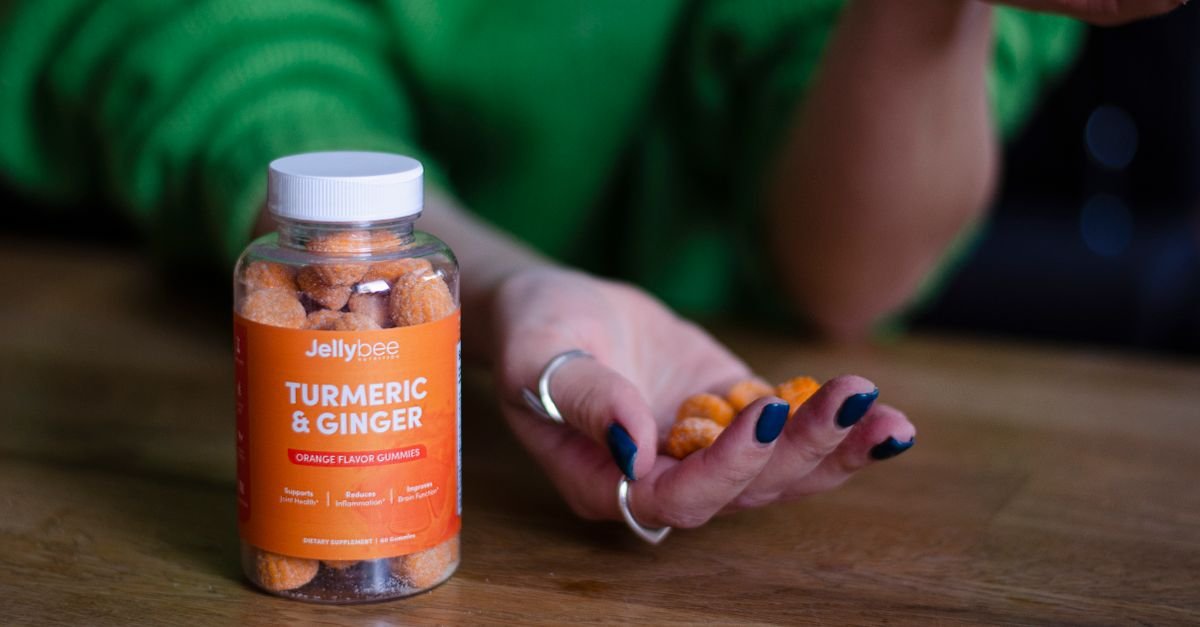
Elderberry is often used for cold symptoms, though studies vary in quality. Echinacea is popular for respiratory support. Garlic has antimicrobial compounds in lab studies, but real-life effects are more modest. Ginger and turmeric can be soothing and anti-inflammatory in food amounts. None of these is a guaranteed shield.
Safety First
Talk with a healthcare professional before starting supplements, especially if you take medication, are pregnant, have an autoimmune condition, or are being treated for cancer. Supplements can interact with drugs, and “natural” doesn’t automatically mean risk-free. Choose reputable brands, follow labels, and avoid mega-doses.
10. Keep Your Environment Clean but Not Sterile
Cleanliness helps reduce exposure to harmful germs, but you don’t need to bleach your entire world. Over-sterilizing everything isn’t realistic or necessary. Your immune system develops and maintains balance through normal exposure to a varied environment. Think smart hygiene, not bubble life.
The Hygiene Balance
Wash your hands after the bathroom, before eating, and after being in crowded public places. Clean high-touch surfaces when someone is sick. Wash bedding and towels regularly. Open windows for fresh air. These basics do a lot without turning your home into a laboratory.
Everyday Cleaning Habits
Use soap and water for most handwashing. Keep kitchen counters and cutting boards clean. Don’t share cups or utensils when someone is ill. Let fresh air in when you can. And remember: dirt isn’t the enemy, but poor hygiene around food and illness is worth taking seriously.
11. Don’t Smoke and Limit Alcohol
This one isn’t glamorous, but it’s powerful. Smoking damages the airways and disrupts immune function. Excessive alcohol can impair immune responses and interfere with sleep. If you want natural immune support, reducing these exposures is one of the most direct moves you can make.
Why These Habits Matter
Your lungs and liver are part of your defense network. Smoke irritates lung tissue, and alcohol affects many systems, including sleep and gut health. Cutting back isn’t about perfection. It’s about lowering the load on your body.
Practical Steps to Cut Back
Set a no-smoking rule at home and in your car. Ask for support if you want to quit—counseling and medication can help. For alcohol, try alcohol-free days, smaller servings, or sparkling water with lime when you’re socializing. Small reductions add up.
12. Stay Up to Date on Vaccines and Checkups
Natural support and preventive care work together. Vaccines train your immune system to recognize specific threats. Regular checkups can catch issues early and help you manage chronic conditions that affect immune health, like diabetes or high blood pressure.
Prevention Is Immune Support
You don’t have to “boost” your immune system alone. Public health tools—vaccines, clean water, food safety, and screenings—are part of the bigger picture. They’re not in conflict with natural habits. They’re teammates.
Questions to Ask Your Doctor
Ask whether you’re due for any vaccines. Ask about vitamin D or other nutrient testing if you have risk factors. Ask how your medications or chronic conditions might affect immune health. Bring a list of supplements you take. Good care is a conversation, not a guessing game.
13. Listen to Your Body When You Get Sick
Even with great habits, you’ll get sick sometimes. That’s normal. The goal isn’t zero illness forever. The goal is a body that can respond well and recover. When you feel run down, rest is not laziness. It’s strategy.
Rest, Fluids, and Patience
Sleep more. Drink fluids. Eat easy, nourishing food if you’re hungry. Avoid intense exercise while you’re feverish or exhausted. Use symptom relief as needed, and give yourself permission to slow down. Your immune system is doing work behind the scenes—don’t make it compete with a packed schedule.
When to Seek Medical Help
Seek care for trouble breathing, chest pain, persistent high fever, severe dehydration, confusion, or symptoms that worsen instead of improve. If you’re in a high-risk group, check in with a healthcare professional early. Natural support is helpful, but it’s not a substitute for emergency care.
Conclusion: Small Habits, Stronger Defenses
Supporting your immune system naturally isn’t about finding one perfect ingredient. It’s about stacking ordinary habits until they become your default. Sleep more consistently. Eat colorful, fiber-rich meals. Move your body. Manage stress in small, realistic ways. Get outside. Stay connected. Use supplements wisely. Keep up with preventive care. These choices don’t promise a life without illness, but they help your body handle whatever comes its way.
Pick one or two upgrades this week. Maybe you’ll protect your bedtime. Maybe you’ll add a vegetable to lunch. Maybe you’ll take a ten-minute walk after dinner. Tiny actions, repeated often, build resilience. Your immune system doesn’t need perfection. It needs steady support—and that’s something you can give it starting today.
FAQs About Natural Immune Support
1. Can natural remedies replace medical treatment?
No. Natural habits can support overall health, but they don’t replace vaccines, prescribed medication, emergency care, or treatment for serious conditions. If you’re unwell, especially with persistent or severe symptoms, talk to a healthcare professional.
2. What foods support the immune system fastest?
There’s no overnight food. Focus on consistent variety: citrus, berries, peppers, leafy greens, broccoli, yogurt, kefir, beans, lentils, nuts, seeds, fish, eggs, and whole grains. A balanced pattern over weeks matters more than one “superfood” meal.
3. Is it possible to “boost” the immune system too much?
You can’t really “boost” it like a volume knob, and trying to force it higher isn’t the goal. The goal is balance. Mega-doses of supplements can cause side effects and interactions. More isn’t automatically better.
4. How long does it take for lifestyle changes to affect immunity?
Some changes—like better sleep and hydration—can affect how you feel within days. Others, like improved diet, exercise habits, stress management, and gut health, build benefits over weeks and months. Consistency is the key.
5. What is the best supplement for immune support?
There’s no single best supplement for everyone. Vitamin D may help people with low levels. Zinc and vitamin C have specific uses, and probiotics may support gut health. But supplements should fill gaps, not replace food, sleep, and medical care. Ask your doctor before starting one.