Table of Contents
- Kidney Health: Who Should Ask About Testing?
- Why Kidney Testing Matters More Than You Think
- The Quiet Crisis: How Kidney Disease Sneaks In
- What Early Testing Can Reveal
- The Core Tests Your Doctor Might Order
- Blood Tests: Creatinine and eGFR
- Urine Tests: Albumin-to-Creatinine Ratio
- Why Urine Testing Is Often the First Clue
- Who Should Ask About Kidney Testing?
- 1. People With Diabetes
- 2. People With High Blood Pressure
- 3. Anyone With a Family History of Kidney Disease
- 4. Older Adults
- 5. People With Heart Disease or Stroke History
- 6. Those With Obesity or Metabolic Syndrome
- 7. People Taking Kidney-Harming Medications
- 8. Those With Autoimmune Conditions
- 9. People With Kidney Stones or Recurrent UTIs
- 10. Certain Racial and Ethnic Groups
- Symptoms That Should Push You to Ask
- How Often Should You Get Tested?
- What to Expect During Kidney Testing
- How to Start the Conversation With Your Doctor
- Can Kidney Disease Be Prevented or Slowed?
- Myths and Misconceptions About Kidney Testing
- Conclusion: Your Kidneys Deserve a Voice
- FAQs About Kidney Health and Testing
Kidney Health: Who Should Ask About Testing?
Your kidneys are the quiet housekeepers of your body. They filter waste, balance fluids, help control blood pressure, and keep your bones and blood healthy. They do all of this without asking for applause. That is exactly why kidney problems can sneak up on you. By the time you feel something, the damage may already be significant.
So, who should ask about kidney testing? The short answer is simple: anyone with risk factors. But the longer answer matters more. Let’s walk through who benefits from a conversation about kidney testing, what those tests actually check, and how to bring it up with your doctor without feeling awkward.
Why Kidney Testing Matters More Than You Think
Kidney disease is common, but many people don’t know they have it. In the United States, roughly 1 in 7 adults lives with chronic kidney disease. A large number of them are in the early stages and feel completely fine. That’s the tricky part. Your kidneys can lose a lot of function before you notice anything unusual.
Testing matters because early detection gives you options. If you catch kidney problems early, you can often slow them down. You can manage blood pressure, control blood sugar, adjust medications, and make food choices that protect your kidneys. Without testing, you might miss that window entirely.
Think of it like a car’s check-engine light. You don’t wait for smoke to pour out of the hood before you check the engine. Kidney tests are your check-engine light. They can warn you long before a major breakdown.
The Quiet Crisis: How Kidney Disease Sneaks In
Chronic kidney disease usually develops slowly. It can take years, even decades. During that time, you might have no symptoms at all. No pain. No swelling. No obvious clue. That’s why doctors call it a silent condition.
Here’s the frustrating part: symptoms often show up only when kidney function has dropped a lot. You might feel tired, itchy, or nauseated. You might notice swelling in your ankles or foamy urine. But by then, the disease may be advanced.
So waiting for symptoms is like waiting for a storm to flood your basement before checking the forecast. Testing is how you look ahead. It’s how you catch the leak while it’s still a drip.
What Early Testing Can Reveal
Kidney testing can show how well your kidneys are filtering waste and whether they are leaking protein. Two key numbers often tell the story: your estimated glomerular filtration rate, or eGFR, and your urine albumin-to-creatinine ratio, or UACR.
If your eGFR is below 60 for three months or more, that can be a sign of chronic kidney disease. If your urine has more albumin than normal, that’s called albuminuria. It can be an early warning sign, especially in people with diabetes or high blood pressure.
These tests don’t just label you. They give your doctor a baseline. They help answer important questions: Are your kidneys stable? Are they getting worse? Do we need to adjust medications or dig deeper? That information is power.
The Core Tests Your Doctor Might Order
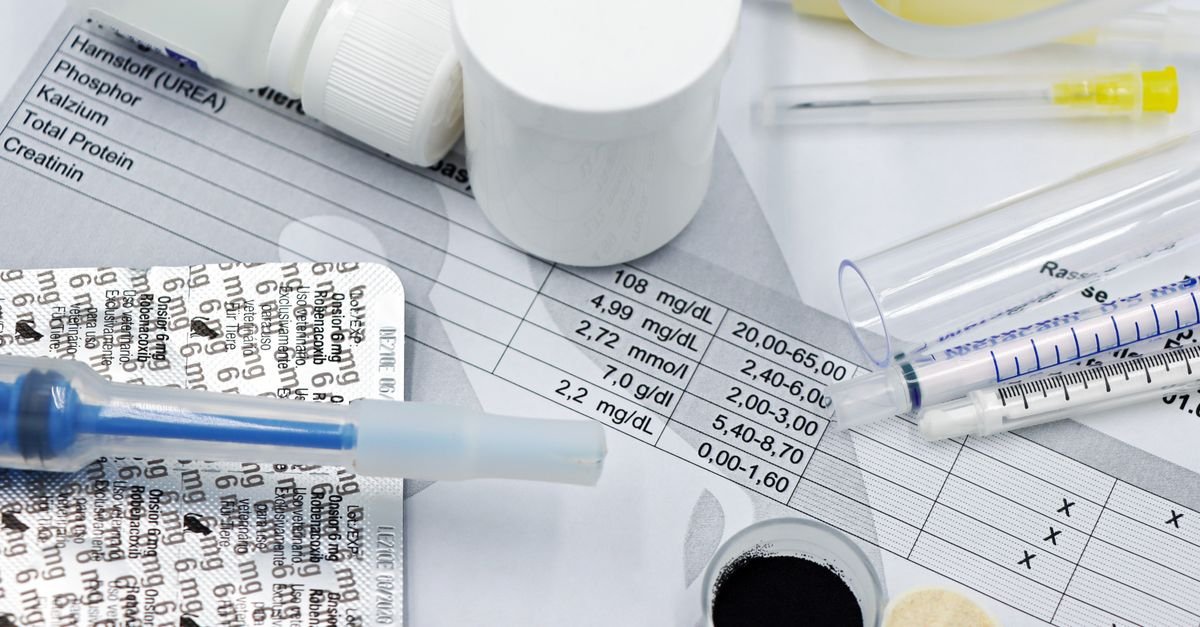
Kidney testing is usually not complicated. Most of the time, it starts with a blood draw and a urine sample. You might already be doing these at your annual physical. The difference is whether your doctor is specifically looking at kidney markers.
Blood Tests: Creatinine and eGFR
Creatinine is a waste product made by your muscles. Your kidneys filter it out. When kidney function drops, creatinine levels in your blood can rise. Doctors use creatinine, along with your age and sex, to calculate your eGFR.
Your eGFR is an estimate of how well your kidneys are filtering. A higher number is generally better. An eGFR of 90 or above is usually normal, though it depends on your age and other factors. An eGFR below 60 for at least three months may indicate chronic kidney disease.
But here’s a catch: creatinine alone doesn’t tell the whole story. Some people have normal creatinine but still have kidney damage. That’s why urine testing matters too.
Urine Tests: Albumin-to-Creatinine Ratio
The urine albumin-to-creatinine ratio checks for a protein called albumin in your urine. Healthy kidneys keep most albumin in your blood. When filters are damaged, albumin can leak into your urine.
A small amount of albumin in the urine is called microalbuminuria, or moderately increased albuminuria. It’s an early sign of kidney damage, especially in diabetes and high blood pressure. Your doctor may repeat the test to confirm it.
This test is simple, painless, and often done on a random urine sample. You don’t usually need to fast. It can be a game-changer because it may show a problem before your eGFR drops.
Why Urine Testing Is Often the First Clue
Imagine your kidneys as a fancy coffee filter. If the filter gets tiny tears, coffee grounds slip through. In your body, albumin is like those coffee grounds. It shouldn’t be in your urine in large amounts.
Urine testing can catch those tiny tears early. For people with diabetes, it’s often the first sign of kidney involvement. For people with high blood pressure, it can show that the kidneys are under strain. That’s why many guidelines recommend both blood and urine tests for people at risk.
Who Should Ask About Kidney Testing?
You should ask about kidney testing if you have any of the risk factors below. You don’t need to have symptoms. You don’t need to feel sick. You just need to know your risk and start a conversation.
1. People With Diabetes
Diabetes is the leading cause of kidney failure in the United States. High blood sugar damages the tiny blood vessels in the kidneys. Over time, that damage can reduce kidney function and cause albumin to leak into the urine.
If you have type 1 or type 2 diabetes, ask your doctor about an annual urine albumin test and eGFR. If your blood sugar has been high for years, don’t wait. Even if you feel fine, your kidneys might be under pressure.
Prediabetes can also raise your risk, especially if you have other conditions like high blood pressure or obesity. It’s reasonable to ask whether testing makes sense for you.
2. People With High Blood Pressure
High blood pressure is the second leading cause of kidney failure. It damages blood vessels throughout the body, including the kidneys. But the relationship goes both ways: kidney disease can also make blood pressure harder to control.
If you take blood pressure medication, ask whether your kidneys should be checked at least once a year. Your doctor may also check your potassium and creatinine levels after starting or changing certain medications.
Keeping blood pressure in a healthy range is one of the best ways to protect your kidneys. But you can’t manage what you don’t measure.
3. Anyone With a Family History of Kidney Disease
Kidney disease can run in families. Some causes are inherited, like polycystic kidney disease. Others, like diabetes and high blood pressure, also cluster in families. If a parent or sibling has kidney failure, you may have a higher risk.
Tell your doctor about your family history. They may recommend earlier or more frequent testing. Knowing your family tree can help you protect your own branches.
4. Older Adults
Kidney function naturally declines with age. That doesn’t mean every older adult has kidney disease, but it does mean risk goes up. Many older adults also take multiple medications, which can affect the kidneys.
If you’re 60 or older, ask about kidney testing at your annual checkup. It’s a simple way to catch changes early and adjust medications if needed.
5. People With Heart Disease or Stroke History
Your heart and kidneys are close partners. Heart disease, heart failure, and stroke share many risk factors with kidney disease, including high blood pressure, diabetes, and smoking. Poor kidney function can also make heart problems worse.
If you’ve had a heart attack, stroke, or heart failure, ask your doctor whether your kidneys should be monitored. It’s not just about your heart. It’s about the whole system.
6. Those With Obesity or Metabolic Syndrome
Obesity puts extra strain on the kidneys. It increases the risk of diabetes and high blood pressure, and it can directly affect kidney function. Metabolic syndrome, which includes high blood sugar, high blood pressure, abnormal cholesterol, and extra belly fat, also raises your risk.
Losing even a modest amount of weight can help. But first, ask whether your kidneys should be checked. Sometimes the first step is simply knowing where you stand.
7. People Taking Kidney-Harming Medications
Some medications can harm the kidneys, especially when taken for a long time or in high doses. Common examples include nonsteroidal anti-inflammatory drugs, or NSAIDs, such as ibuprofen and naproxen. Others include lithium, certain antibiotics, some HIV medications, and certain chemotherapy drugs.
If you regularly use pain relievers, take lithium, or receive medications that require kidney monitoring, ask your doctor about kidney tests. Also ask before using herbal supplements or “kidney cleanse” products. Some of them can do more harm than good.
8. Those With Autoimmune Conditions
Autoimmune diseases can attack the kidneys. Lupus is a well-known example. Lupus nephritis is kidney inflammation caused by lupus, and it can lead to kidney failure if not treated. Other conditions, like vasculitis and rheumatoid arthritis, can also affect the kidneys.
If you have an autoimmune condition, ask your doctor whether your kidneys should be checked. Urine and blood tests can catch inflammation early.
9. People With Kidney Stones or Recurrent UTIs
Kidney stones and repeated urinary tract infections can damage the kidneys over time. Stones can block urine flow, and infections can spread to the kidneys. If you’ve had multiple stones or frequent UTIs, your kidneys may need a closer look.
Ask your doctor whether imaging or kidney function tests are appropriate. It’s better to check than to wait for another painful episode.
10. Certain Racial and Ethnic Groups
Kidney disease affects some racial and ethnic groups more than others. In the United States, Black, Hispanic, Asian, Native American, and Pacific Islander communities have higher rates of kidney failure. This is not about biology alone. Social factors, access to care, and higher rates of diabetes and high blood pressure play big roles.
If you belong to a group with higher risk, ask about testing. Awareness and early action can make a real difference.
Symptoms That Should Push You to Ask
Most early kidney disease has no symptoms. But if you notice any of these, bring them up with your doctor:
- Swelling in your ankles, feet, hands, or face
- Foamy or bubbly urine
- Blood in your urine
- Feeling tired all the time
- Poor appetite or nausea
- Itchy skin or muscle cramps
- Trouble sleeping or concentrating
- Shortness of breath
- Needing to urinate more or less often
These symptoms can have many causes. They don’t automatically mean kidney disease. But they are worth a conversation. Your doctor can help sort out what’s going on.
How Often Should You Get Tested?
There’s no one-size-fits-all answer. It depends on your risk factors, age, and overall health. If you have diabetes or high blood pressure, many guidelines recommend at least yearly testing. If you have a family history of kidney failure, your doctor may want to start earlier and test more often.
For older adults or people with heart disease, annual testing is often reasonable. If you have no risk factors and you’re generally healthy, your doctor may not recommend routine kidney testing. But you can still ask whether it makes sense for you.
Think of testing like dental checkups. Some people need cleanings every six months. Others need them once a year. The schedule depends on your risk. The important thing is not to skip the appointment entirely.
What to Expect During Kidney Testing
Kidney testing is usually quick and simple. You’ll likely give a blood sample and a urine sample. You usually don’t need to fast, though your doctor may ask you to avoid certain foods or medications if other tests are planned.
Results may come back in a few days. If something is abnormal, your doctor may repeat the test. A single high reading doesn’t always mean kidney disease. Some people have temporary changes due to dehydration, infection, or intense exercise.
If results stay abnormal for three months or more, your doctor may diagnose chronic kidney disease. They may also order imaging, like an ultrasound, or refer you to a kidney specialist called a nephrologist.
How to Start the Conversation With Your Doctor
Bringing up kidney testing can feel awkward, but it doesn’t have to be. You can keep it simple. Try saying something like, “I have diabetes and high blood pressure. Should we check my kidney function and urine albumin?”
Or, “My father had kidney failure. Does that mean I should be tested earlier?”
Your doctor is used to these questions. They want to help you stay healthy. Bring a list of your medications, including over-the-counter drugs and supplements. Share your family history. Ask about your eGFR and urine albumin results. If you don’t understand a number, ask what it means.
You are not being demanding. You are being proactive. That’s a good thing.
Can Kidney Disease Be Prevented or Slowed?
You can’t control everything, but you can lower your risk and slow progression. Here are some steps that help:
- Control blood pressure and blood sugar
- Take medications as prescribed, including ACE inhibitors, ARBs, SGLT2 inhibitors, or others your doctor recommends
- Eat less sodium and processed food
- Choose a balanced diet with appropriate protein intake
- Stay hydrated, but don’t overdo it if your doctor limits fluids
- Avoid smoking and limit alcohol
- Stay active and maintain a healthy weight
- Avoid NSAIDs unless your doctor says it’s okay
- Get regular checkups and kidney tests if you’re at risk
None of this is about perfection. It’s about small, consistent choices. Your kidneys are built to last, but they need a little care along the way.
Myths and Misconceptions About Kidney Testing
Myth: Kidney disease only happens to older people.
Truth: It can happen at any age, especially in people with diabetes, high blood pressure, or family history.
Myth: If I feel fine, I don’t need testing.
Truth: Early kidney disease usually has no symptoms. Feeling fine doesn’t mean your kidneys are fine.
Myth: Kidney tests are painful or invasive.
Truth: Most kidney tests are just blood and urine samples. They’re quick and low-risk.
Myth: A kidney cleanse will fix everything.
Truth: Some herbal cleanses can harm your kidneys. Talk to your doctor before trying any supplement.
Myth: Once you have kidney disease, it’s over.
Truth: Early kidney disease can often be managed and slowed. Many people live long, full lives with the right care.
Conclusion: Your Kidneys Deserve a Voice
Your kidneys work quietly, but they don’t have to suffer in silence. If you have diabetes, high blood pressure, a family history of kidney disease, or any other risk factor, ask about testing. A simple blood test and urine test can give you and your doctor a clearer picture. Early action can protect your kidneys, your heart, and your future. So the next time you see your doctor, speak up. Your kidneys will thank you.
FAQs About Kidney Health and Testing
1. Can kidney disease be reversed?
Some causes of kidney damage can be reversed if caught early, such as dehydration or certain medication effects. Chronic kidney disease usually cannot be fully reversed, but it can often be slowed or managed with treatment. The earlier you catch it, the better your options.
2. Are kidney tests painful?
No, most kidney tests are not painful. A blood test feels like a quick pinch, and a urine test is completely painless. Imaging tests are also usually noninvasive and comfortable.
3. How often should I get my kidneys checked?
If you have diabetes, high blood pressure, or another risk factor, at least once a year is common. If you have no risk factors, your doctor may not recommend routine testing. Ask what schedule is right for you based on your health and family history.
4. Can I have kidney disease without symptoms?
Yes. In fact, most people with early kidney disease feel completely normal. That’s why testing is so important for people with risk factors. You cannot rely on symptoms alone to know if your kidneys are healthy.
5. Do kidney tests require fasting?
Usually, no fasting is needed for basic kidney blood tests or urine tests. However, if you are having other tests at the same time, your doctor may give you specific instructions. Always follow their directions.