**Table of Contents**
1. **Testicular Health: Changes Worth Checking**
2. **Why Testicular Health Deserves Your Attention**
3. **A Quick Anatomy Lesson: Knowing What’s Normal**
4. **Common Changes That Are Usually Harmless**
4.1 **Size Fluctuations Due to Temperature**
4.2 **Temporary Aches and Sensitivity**
5. **Changes Worth Checking: The Warning Signs**
5.1 **Lumps or Bumps on the Testicle**
5.2 **Swelling or Enlargement**
5.3 **A Heavy or Dragging Sensation**
5.4 **Dull Ache in the Groin or Abdomen**
5.5 **Changes in Testicle Texture**
6. **Conditions Behind These Changes**
6.1 **Testicular Cancer: The Big One**
6.2 **Epididymitis and Orchitis**
6.3 **Varicocele: The Bag of Worms**
6.4 **Hydrocele: When Fluid Builds Up**
6.5 **Testicular Torsion: A True Emergency**
7. **How to Do a Self-Exam the Right Way**
8. **When Should You Actually See a Doctor?**
9. **What to Expect at the Doctor’s Office**
10. **Can You Lower Your Risk?**
11. **The Emotional Side: Why Men Avoid Checking**
12. **Conclusion**
13. **FAQs**
—
**Testicular Health: Changes Worth Checking**
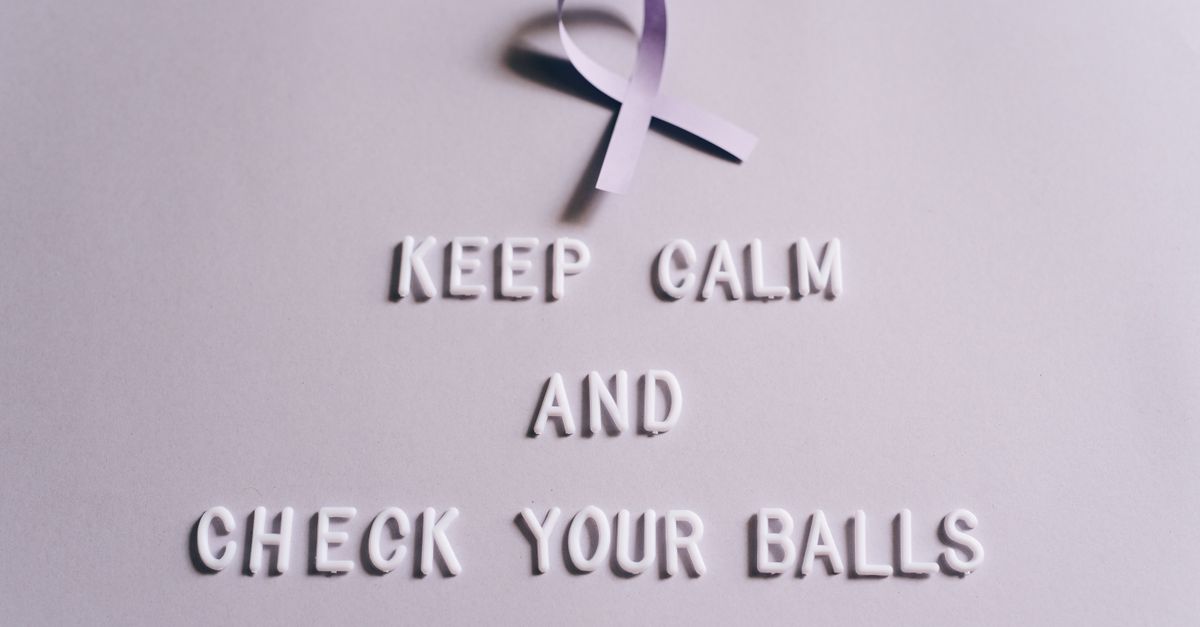
Let’s be honest for a second. Most guys don’t spend a lot of time thinking about their testicles. They’re just kind of… there. Doing their job. Quietly. So when something changes down there, it’s easy to shrug it off, tell yourself it’s nothing, and hope it goes away on its own.
But here’s the thing: your testicles are basically sending you messages. Some of those messages are harmless. Others? They’re the kind you really don’t want to ignore.
This article is your no-nonsense guide to testicular health. We’ll cover what’s normal, what’s not, and exactly which changes are worth a trip to the doctor. No awkwardness, no judgment — just useful information you can actually use.
**Why Testicular Health Deserves Your Attention**
Think of your body like a car. You don’t wait for smoke to pour out of the hood before you check the oil, right? Same logic applies here. Paying attention to your testicles isn’t hypochondria — it’s basic maintenance.
Testicular cancer, for example, is one of the most treatable cancers out there — *if* it’s caught early. The five-year survival rate for early-stage testicular cancer is over 95%. That’s incredible. But that number drops when diagnosis gets delayed. And the biggest reason for delay? Guys ignoring changes because they feel embarrassed or assume it’s nothing.
So yeah, a few minutes of awareness can literally save your life. Not dramatic — just true.
**A Quick Anatomy Lesson: Knowing What’s Normal**
Before you can spot something weird, you need to know what “normal” looks like for you.
Inside the scrotum — that loose pouch of skin — you’ve got two testicles. Each one is roughly the size and shape of a small plum. Behind each testicle sits the epididymis, a soft, coiled tube that stores and transports sperm. Above everything, you’ve got the spermatic cord, which contains blood vessels, nerves, and the vas deferens.
Here’s an important tip: testicles aren’t perfectly identical. One usually hangs a little lower than the other. One might be slightly bigger. That’s completely normal. The key is to know *your* normal, because that’s the baseline you’ll compare against.
**Common Changes That Are Usually Harmless**
Not every change is a red flag. Let’s go over a few things that are typically no big deal.
**Size Fluctuations Due to Temperature**
Ever noticed your testicles seem to shrink in cold water or relax in a warm bath? That’s your cremaster muscle doing its job. It pulls the testicles closer to your body for warmth or lets them hang loose to cool down. Sperm production works best at a temperature slightly below your core body temperature, so this system is basically your body’s built-in thermostat.
**Temporary Aches and Sensitivity**
A random dull ache after sitting too long, wearing tight underwear, or doing an intense workout? Usually nothing. Even a mild knock during sports can cause temporary soreness. If it fades within a day or two, you’re probably fine.
**Changes Worth Checking: The Warning Signs**
Now for the important part. Here’s what should make you pick up the phone and book an appointment.
**Lumps or Bumps on the Testicle**
This is the big one. A firm lump — especially one that feels like a pea or a small pebble — is the classic sign of testicular cancer. It’s usually painless, which is exactly why so many guys ignore it. But a painless lump is *more* concerning than a painful one, not less.
Not every lump is cancer. Cysts, calcium deposits, and other benign growths exist. But you can’t tell the difference by touch alone. A doctor can.
**Swelling or Enlargement**
If one testicle suddenly looks bigger than the other, or the scrotum itself looks puffy, that’s worth investigating. Swelling can come from fluid buildup, inflammation, or a tumor. Sometimes it’s harmless; sometimes it’s not. Get it checked.
**A Heavy or Dragging Sensation**
A lot of guys describe this as a feeling of fullness or weight in the scrotum. It’s not sharp pain — more like a nagging heaviness that doesn’t go away. This can be an early sign of several conditions, including cancer.
**Dull Ache in the Groin or Abdomen**
Here’s something many people don’t know: testicular problems don’t always hurt where you’d expect. Sometimes the pain shows up in your lower belly, groin, or even your back. Your testicles and those areas share nerve pathways, so the brain gets confused about the source. If you’ve got a persistent ache in your groin with no obvious cause, don’t rule out your testicles.
**Changes in Testicle Texture**
A healthy testicle feels smooth and slightly firm, like a hard-boiled egg without the shell. If it starts feeling lumpy, hard in one spot, or oddly soft, that’s a change worth noting.
**Conditions Behind These Changes**
Let’s break down the main culprits.
**Testicular Cancer: The Big One**
Testicular cancer mostly affects guys between 15 and 35, though it can happen at any age. It’s not super common — about 1 in 250 men will develop it — but it’s the most common cancer in young men. The good news? It’s highly curable when caught early. Treatment usually involves surgery to remove the affected testicle, and many men go on to live completely normal lives, including having children.
**Epididymitis and Orchitis**
Epididymitis is inflammation of the epididymis, usually caused by a bacterial infection. Orchitis is inflammation of the testicle itself, often linked to mumps in unvaccinated men. Both cause pain, swelling, and sometimes fever. They’re treatable with antibiotics and rest, but they need a doctor’s attention.
**Varicocele: The Bag of Worms**
A varicocele is basically varicose veins in your scrotum. It feels like a bag of worms above the testicle, usually on the left side. They’re common and often harmless, but they can affect sperm production and fertility. If you’re having trouble conceiving, this is one thing doctors check for.
**Hydrocele: When Fluid Builds Up**
A hydrocele is a collection of fluid around the testicle that causes painless swelling. It’s common in newborns and usually resolves on its own. In adults, it can develop after injury or infection. Not dangerous, but it can be uncomfortable and should be evaluated.
**Testicular Torsion: A True Emergency**
This one’s serious. Torsion happens when the spermatic cord twists, cutting off blood flow to the testicle. It causes sudden, severe pain, nausea, and swelling. If it’s not treated within a few hours, the testicle can die. If you experience sudden intense testicular pain, go to the emergency room immediately. Do not wait.
**How to Do a Self-Exam the Right Way**
Self-exams are simple. The best time is during or right after a warm shower, when the scrotum is relaxed.
Here’s how:
– Stand in front of a mirror and look for any visible swelling.
– Cup one testicle at a time between your thumb and fingers.
– Roll it gently between your fingers, feeling for lumps, bumps, or changes in texture.
– Check the epididymis too — it’s the soft, tube-like structure behind the testicle.
– Repeat on the other side.
– Do this once a month. It takes about a minute.
If you find something unusual, don’t panic. Most lumps turn out to be benign. But get it checked.
**When Should You Actually See a Doctor?**
Short answer: if something feels off and doesn’t go away within a couple of weeks, see a doctor.
Longer answer: see a doctor *immediately* if you have:
– Sudden, severe pain
– A firm lump
– Rapid swelling
– Fever with testicular pain
– Signs of infection like redness or warmth
Don’t wait for it to get worse. There’s no prize for toughing it out.
**What to Expect at the Doctor’s Office**
I know — the idea of a doctor examining your testicles feels awkward. But trust me, they’ve done this hundreds of times. It’s routine for them.
The doctor will likely start with a physical exam. They’ll feel for lumps, check the size and position of each testicle, and look for swelling. If needed, they’ll order an ultrasound — a painless imaging test that shows what’s going on inside. Blood tests can check for tumor markers. In some cases, they might refer you to a urologist.
The whole process is quick, and you’ll walk out with answers instead of worries.
**Can You Lower Your Risk?**
There’s no guaranteed way to prevent testicular cancer, but you can absolutely improve your odds of catching problems early. Here’s what helps:
– Do monthly self-exams
– Know your family history — if a close relative had testicular cancer, your risk is higher
– Don’t ignore persistent changes
– Get regular checkups
– Consider sperm banking if you’re facing treatment that could affect fertility
Also, if you have an undescended testicle history — meaning one didn’t drop at birth — your risk is elevated. Mention it to your doctor.
**The Emotional Side: Why Men Avoid Checking**
Let’s talk about the elephant in the room. A lot of guys avoid checking because of fear, embarrassment, or the belief that “real men don’t worry about stuff like that.”
That mindset is outdated and dangerous. Taking care of your body isn’t weak — it’s smart. The guys who catch problems early are the ones who take five minutes to check. That’s it.
If you’re nervous about seeing a doctor, that’s normal. But remember: the worst-case scenario you’re imagining is almost always worse than reality. And even in the rare case something’s wrong, early action gives you the best possible outcome.
**Conclusion**
Your testicles aren’t just along for the ride. They’re part of your overall health, and they deserve the same attention you give your heart, your skin, or your teeth. Knowing what’s normal, checking regularly, and acting on changes isn’t paranoia — it’s responsibility.
Most changes turn out to be harmless. But the ones that aren’t? They’re the reason this matters. So do yourself a favor: pay attention, do monthly self-exams, and see a doctor when something feels off. It’s a small habit with a potentially huge payoff.
**FAQs**
**1. How often should I check my testicles?**
Once a month is enough. Pick a day you’ll remember — like the first of every month — and do a quick self-exam after a warm shower.
**2. Are lumps always a sign of cancer?**
No. Many lumps are benign cysts, fluid buildup, or calcium deposits. But you can’t tell by touch alone, so any new lump should be checked by a doctor.
**3. Does testicular cancer hurt?**
Usually not in the early stages. That’s why it’s so important to check for lumps — because pain isn’t always there to warn you.
**4. Can testicular cancer affect fertility?**
It can, especially if treatment involves removing a testicle or undergoing chemotherapy. That’s why sperm banking before treatment is often recommended.
**5. What’s the most important sign to watch for?**
A firm, painless lump on the testicle. If you find one, see a doctor promptly. Early detection makes a massive difference.