Table of Contents
- Cleaning vs. Disinfecting: What Your Home Needs
- The Quick Answer: Cleaning, Sanitizing, and Disinfecting Are Not Twins
- What Does Cleaning Actually Do?
- Cleaning Removes the Gunk You Can See
- The Limits of Cleaning
- What Does Disinfecting Actually Do?
- Disinfecting Kills Germs, But Only After Cleaning
- Contact Time: The Rule Everyone Skips
- Where Does Sanitizing Fit In?
- The Science of Germs, Soil, and Surfaces
- Biofilm: The Invisible Shield
- When Cleaning Is Enough
- When Disinfecting Makes Sense
- High-Touch Areas: The Usual Suspects
- Don’t Forget These High-Touch Spots
- Room-by-Room Guide for a Healthy Home
- Kitchen: Clean First, Then Disinfect Wisely
- Counters, Sinks, and Cutting Boards
- Bathroom: Moisture, Mildew, and Germ Hotspots
- Toilets, Taps, and Towels
- Living Areas and Bedrooms: Mostly Cleaning
- Laundry and Linens: Heat, Detergent, and Drying
- Products: What to Use and What to Avoid
- EPA-Registered Disinfectants
- What to Avoid Mixing
- DIY Cleaners vs. Store-Bought Disinfectants
- Vinegar, Baking Soda, and Rubbing Alcohol
- Common Mistakes That Waste Time and Money
- A Simple Routine That Actually Works
- Daily Quick Reset
- Weekly Deeper Clean
- Monthly Maintenance
- Special Situations: Pets, Kids, and Allergies
- Conclusion: Clean Smarter, Not Just Harder
- FAQs
Cleaning vs. Disinfecting: What Your Home Needs
You grab a spray bottle, wipe down the counter, and feel that little rush of satisfaction. The surface looks shiny. The crumbs are gone. But did you actually make your home safer from germs? Maybe. Maybe not. Here’s the thing: cleaning and disinfecting are often used as if they mean the same thing, but they don’t. Not even close.
Think of it like this. Cleaning is taking out the trash. Disinfecting is sending in a hazmat team after the trash is gone. If you skip the trash removal, the hazmat team is just spraying perfume on a dumpster. That’s the messy truth behind cleaning vs. disinfecting. Your home needs both, but it needs them in the right places, at the right times, and in the right order.
So let’s break it down. What does your home actually need? When is a simple wipe-down enough? When should you break out the EPA-registered disinfectant? And why do so many of us waste time, money, and brainpower on routines that don’t do what we think they do?
The Quick Answer: Cleaning, Sanitizing, and Disinfecting Are Not Twins
Cleaning removes dirt, dust, grease, and grime. It lifts germs off surfaces and sends them down the drain or into the trash. Sanitizing reduces the number of germs on a surface to a level that public health guidelines consider safe. Disinfecting kills or inactivates nearly all germs on a surface, but only if the product stays wet long enough to do its job.
In everyday terms, cleaning is about appearance and physical removal. Sanitizing is a middle step. Disinfecting is the heavy hitter. Your home usually needs cleaning far more often than disinfecting. But there are moments when disinfecting matters a lot—like when someone in the house is sick, when you handle raw meat, or when a surface has been coughed on, sneezed on, or touched by lots of people.
What Does Cleaning Actually Do?
Cleaning is the foundation. If you do nothing else, clean. A microfiber cloth, warm water, and a good all-purpose cleaner can remove a shocking amount of bacteria, viruses, and allergens from your home. You’re not necessarily killing germs. You’re physically removing them. And removal is powerful.
Cleaning Removes the Gunk You Can See
When you scrub a sticky counter, you’re not just making it look better. You’re breaking up the biofilm where germs hide. You’re lifting food particles that bacteria feed on. You’re wiping away dust mites, pollen, and pet dander that can trigger allergies. Cleaning is the opening act. Without it, disinfecting is often a waste of time.
Here’s a simple analogy: imagine trying to paint a wall covered in mud. You can slap on the fanciest paint in the world, but it won’t stick properly. Disinfectant works the same way. Dirt, grease, and soap scum create a barrier. Germs hide underneath. The disinfectant may kill some surface germs, but many survive because they’re protected by the grime.
The Limits of Cleaning
Cleaning has limits. It doesn’t always kill germs. If you use a dirty rag, you might spread them around. If you use the same sponge on the counter and the cutting board, you’re basically running a germ taxi service. Cleaning reduces risk, but it doesn’t guarantee a sterile surface. That’s where sanitizing and disinfecting come in—when the situation calls for them.
What Does Disinfecting Actually Do?
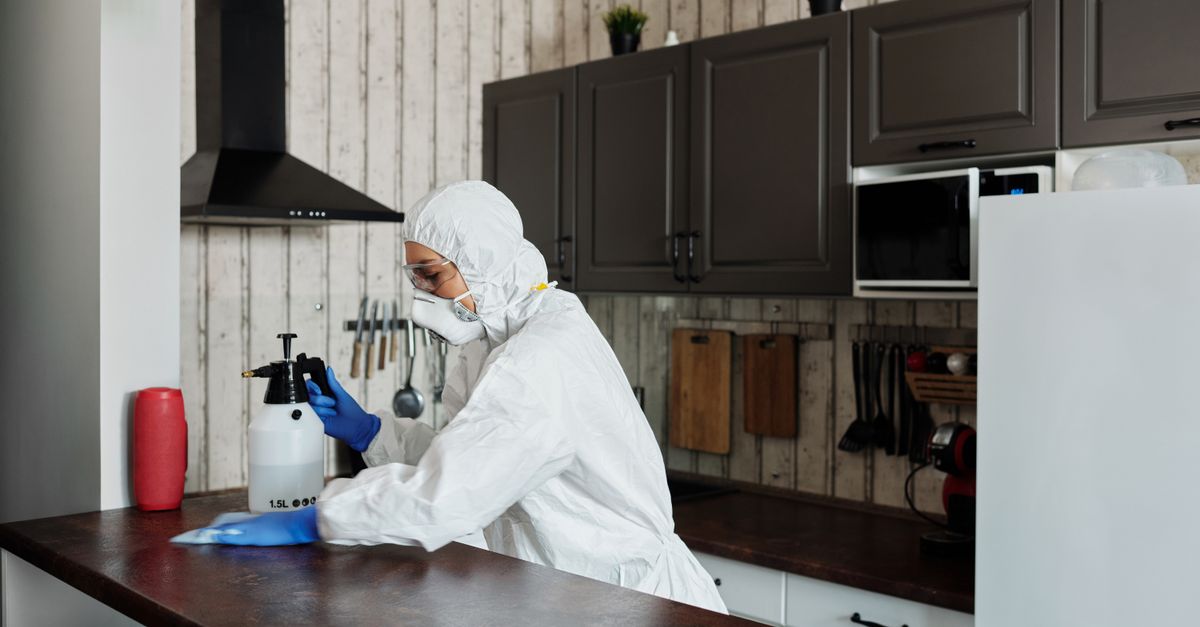
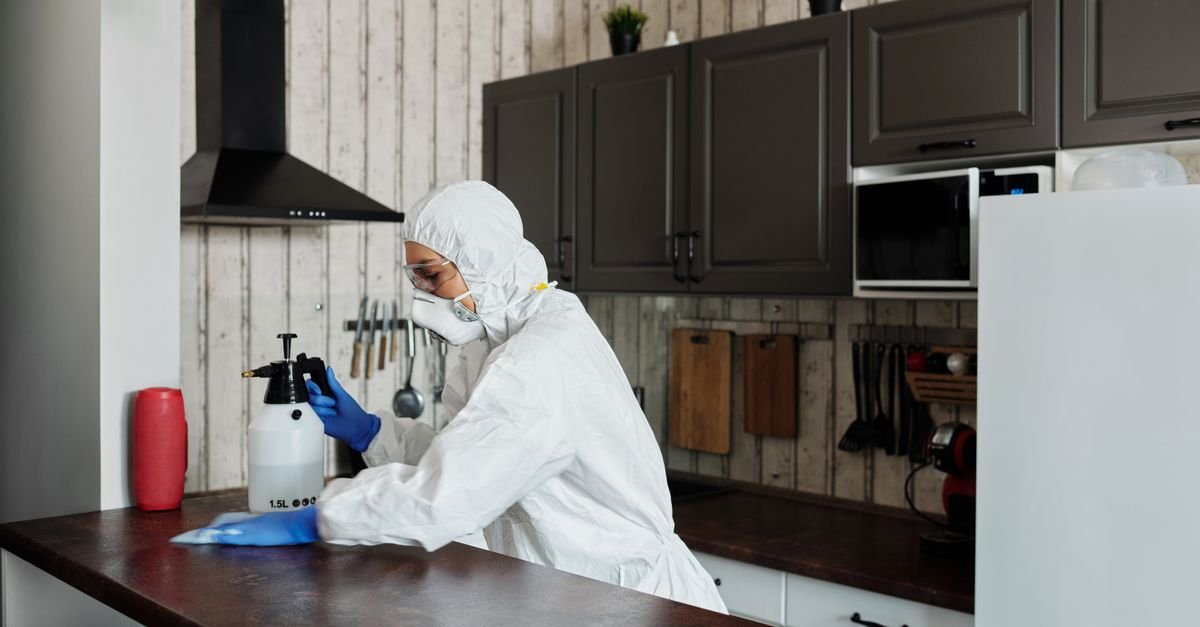
Disinfecting uses chemicals to kill or inactivate germs on surfaces. The key word is kill. But disinfectants aren’t magic. They need the right concentration, the right amount of time, and a reasonably clean surface. If you spray and immediately wipe, you’re probably not disinfecting. You’re just spreading a pleasant scent.
Disinfecting Kills Germs, But Only After Cleaning
Most disinfectants are designed to be used on surfaces that have already been cleaned. That’s not a suggestion. It’s often a requirement on the label. Why? Because organic matter—food, blood, feces, mucus—can neutralize the active ingredients. It’s like trying to fight a fire while someone keeps throwing wet blankets on your hose. You might knock down a few flames, but the fire keeps burning.
So the order matters: clean first, then disinfect. If you’re in a hurry, use a product that both cleans and disinfects, but read the label carefully. Even those products usually need a certain contact time.
Contact Time: The Rule Everyone Skips
Contact time, also called dwell time, is how long a disinfectant must stay wet on a surface to work. Some products need 30 seconds. Others need 10 minutes. If the surface dries before that time is up, the germs may not be fully killed. That’s why spraying a surface and wiping it dry right away is often a false sense of security.
Want a real-world example? Think of sunscreen. You can’t rub it in and immediately jump into the pool and expect full protection. Disinfectants are similar. They need time to do their job. Set a timer if you have to. It sounds fussy, but it’s the difference between actually disinfecting and just going through the motions.
Where Does Sanitizing Fit In?
Sanitizing is the middle child. It reduces germs to a safer level, but it doesn’t necessarily kill everything. Many food safety guidelines focus on sanitizing because it’s practical for kitchens and food-contact surfaces. You’ll see sanitizing steps in restaurants, daycares, and hospitals. At home, sanitizing is often enough for everyday messes.
For example, after washing your dishes with soap and hot water, you’ve cleaned them. If you run them through a dishwasher with a sanitizing cycle, you’ve sanitized them. If you use a diluted bleach solution on a cutting board after raw chicken, you’re disinfecting or sanitizing depending on the concentration and contact time. The lines blur, but the principle holds: match the method to the mess.
The Science of Germs, Soil, and Surfaces
Germs are not tiny people with tiny agendas. They’re bacteria, viruses, fungi, and other microorganisms. Some are harmless. Some are beneficial. Some can make you sick. They don’t float around randomly waiting to attack. They hitch rides on hands, droplets, food, pets, and objects. They land on surfaces. They stick. They sometimes form communities.
Soil—the nice word for dirt, grease, and organic matter—is their friend. Soil gives germs a place to hide. It provides nutrients. It can even neutralize disinfectants. That’s why cleaning is so important. You’re not just making your home look nice. You’re removing the environment that germs need to survive and thrive.
Biofilm: The Invisible Shield
Have you ever noticed a slimy film inside a water bottle, pet bowl, or drain? That’s biofilm. It’s a community of microorganisms that stick together and produce a protective matrix. Biofilm can form on counters, sinks, cutting boards, and even medical devices. It’s stubborn. A quick spray of disinfectant may not penetrate it. You often need mechanical cleaning—scrubbing, wiping, brushing—to break it up first.
Think of biofilm as a medieval castle. The germs are inside, and the castle walls are made of sugars and proteins. Disinfectant is like an arrow. It might hit the wall, but it won’t always reach the knights inside. Cleaning is the battering ram. You have to break the wall before the arrows can do their job.
When Cleaning Is Enough
Most of your home, most of the time, just needs cleaning. Dusting, sweeping, vacuuming, wiping counters, scrubbing sinks, and laundering clothes are daily or weekly tasks that keep your home healthy. You don’t need to disinfect every doorknob every day unless someone is sick or you’re in a high-risk situation.
Cleaning is enough for:
- Dust and allergens on shelves, blinds, and baseboards
- Fingerprints and smudges on windows and mirrors
- Everyday crumbs and spills on counters and tables
- Dirty floors, rugs, and upholstery
- Routine bathroom cleaning when no one is ill
- Clutter and general tidying
If your home looks clean, smells clean, and no one is sick, you’re probably fine with regular cleaning. Save the heavy disinfectants for when they actually matter.
When Disinfecting Makes Sense
Disinfecting is not a daily ritual for every surface. It’s a targeted tool. Use it when there’s a higher risk of germ transmission or when you need to break the chain of illness.
Disinfect when:
- Someone in your home has a cold, flu, stomach bug, or COVID-19
- You’re caring for someone who is immunocompromised
- You’ve handled raw meat, poultry, seafood, or eggs
- You’ve cleaned up bodily fluids like vomit, blood, or feces
- A pet has an accident or is sick
- You’ve had guests who may be contagious
- You’re cleaning high-touch surfaces during a local outbreak
In those moments, clean first, then disinfect. Focus on high-touch surfaces. Don’t waste time disinfecting ceilings, walls, or floors unless they’ve been contaminated. Germs don’t care about your ceiling fan as much as they care about your light switches.
High-Touch Areas: The Usual Suspects
If you want to be efficient, stop thinking about square footage and start thinking about contact frequency. The surfaces you touch most often are the ones that need the most attention. These are the germ superhighways of your home.
Don’t Forget These High-Touch Spots
- Doorknobs and door handles
- Light switches
- Cabinet handles and drawer pulls
- Refrigerator handles
- Microwave and oven knobs
- Remote controls and game controllers
- Phone screens and tablets
- Computer keyboards and mice
- Toilet flush handles
- Faucet handles
- Stair railings
- Chair backs and armrests
- Pet bowls and toys
- Baby gates, high chairs, and changing tables
These are the spots where cleaning and disinfecting earn their keep. If you only have five minutes, hit these first. You’ll get more germ-fighting benefit than scrubbing a random patch of wall.
Room-by-Room Guide for a Healthy Home
Every room has its own personality, its own messes, and its own germ risks. Let’s walk through the main areas of a typical home and figure out what needs cleaning, what needs disinfecting, and what can be left alone.
Kitchen: Clean First, Then Disinfect Wisely
The kitchen is ground zero for foodborne germs. Raw meat, poultry, eggs, and seafood can spread bacteria like Salmonella and E. coli. Produce can carry pesticides, dirt, and bacteria. Sponges and dish towels can become microbial breeding grounds. But you don’t need to turn your kitchen into a sterile laboratory. You need smart habits.
Counters, Sinks, and Cutting Boards
Wipe counters with soap and water or an all-purpose cleaner after preparing food. If you’ve handled raw meat, clean the area first, then use a disinfectant or sanitizer according to the label. Cutting boards need extra attention. Plastic boards can go in the dishwasher if they’re marked dishwasher-safe. Wooden boards should be hand-washed, dried thoroughly, and occasionally sanitized with a diluted bleach solution or white vinegar, depending on the board’s finish.
Sinks are often dirtier than toilets. Think about it. You rinse raw chicken in the sink. You dump pasta water. You wash hands. You leave food particles behind. Clean your sink daily with soap and a sponge or brush, then sanitize or disinfect as needed. Don’t forget the faucet handle, the drain area, and the sponge itself. Replace sponges often or sanitize them in the dishwasher or microwave if they’re wet and safe for that method.
Bathroom: Moisture, Mildew, and Germ Hotspots
Bathrooms are warm, wet, and frequently touched. That’s a perfect recipe for mold, mildew, and bacteria. But again, you don’t need to disinfect every tile every day. Focus on the surfaces that matter.
Toilets, Taps, and Towels
Clean the toilet regularly with a toilet bowl cleaner and a brush. Wipe the seat, lid, and flush handle with a disinfectant, especially if someone is sick. Faucet handles, sink basins, and countertops should be cleaned often. Towels should be washed every few days, not once a week if they stay damp. Bath mats and shower curtains need regular washing too. Mildew isn’t just ugly. It can affect indoor air quality and trigger allergies.
For showers and tubs, scrub with a bathroom cleaner to remove soap scum and biofilm. If you see pink or black slime, that’s a sign of microbial growth. Clean it thoroughly. Disinfect if you’re dealing with a known illness or a persistent issue.
Living Areas and Bedrooms: Mostly Cleaning
Living rooms and bedrooms are usually lower-risk when it comes to infectious germs. They need dusting, vacuuming, and occasional upholstery cleaning. High-touch items like remotes, phones, and light switches deserve regular wiping, but harsh disinfectants aren’t necessary every day. Soap and water or a gentle all-purpose cleaner will do for most situations.
If someone is sick in bed, step up your routine. Change pillowcases and sheets more often. Wipe down bedside tables, doorknobs, and light switches. Keep the sick person’s dishes and towels separate if possible. Once they’re better, do a thorough clean and disinfect of their immediate area.
Laundry and Linens: Heat, Detergent, and Drying
Laundry is one of the most effective ways to reduce germs in your home. Washing with detergent and drying on high heat kills many germs and removes dirt and allergens. If someone is sick, don’t shake their dirty laundry. That can send germs into the air. Wash their clothes and towels separately if you can, and use a dryer on the hottest setting the fabric can handle.
For items that can’t be washed often—like pillows, comforters, or stuffed animals—check the care label. Some can be machine washed. Others can be aired out in sunlight, which has a mild disinfecting effect. When in doubt, clean what you can and don’t stress about the rest.
Products: What to Use and What to Avoid
The cleaning aisle can be overwhelming. There are sprays, wipes, foams, concentrates, and gadgets that promise to kill 99.9% of germs. But not all products are equal, and not all are safe for every surface. The smartest approach is to keep a few reliable products and learn how to use them correctly.
EPA-Registered Disinfectants
If you want to disinfect, look for an EPA registration number on the label. That means the product has been reviewed for safety and effectiveness against specific germs. Common active ingredients include bleach, hydrogen peroxide, quaternary ammonium compounds, and alcohols. Each has pros and cons. Bleach is powerful but can damage surfaces and irritate lungs. Hydrogen peroxide is gentler but can fade fabrics. Alcohol evaporates quickly but may not have enough contact time unless the product is formulated for it.
Always read the label. Follow the dilution instructions. Respect the contact time. Store products safely away from children and pets. Don’t mix products unless the label specifically tells you to. More is not better. In fact, more can be dangerous.
What to Avoid Mixing
Never mix bleach with ammonia. Never mix bleach with vinegar. Never mix bleach with hydrogen peroxide. Never mix bleach with other cleaners unless the label says it’s safe. These combinations can create toxic gases that can cause severe respiratory problems. If you’re using multiple products, use them separately and rinse thoroughly between uses.
Also, be careful with disinfectant wipes. They’re convenient, but they often require the surface to stay visibly wet for the contact time. If you wipe and the surface dries instantly, you may not be disinfecting. Use enough wipes to keep the surface wet for the required time.
DIY Cleaners vs. Store-Bought Disinfectants
DIY cleaners are popular for good reason. They’re cheap, easy to make, and often less harsh than commercial products. But there’s a catch: many DIY recipes clean well without disinfecting. Vinegar, baking soda, and lemon juice are great for scrubbing, deodorizing, and cutting through grease. They’re not always reliable disinfectants.
Vinegar, Baking Soda, and Rubbing Alcohol
White vinegar can kill some bacteria and viruses, but it’s not an EPA-registered disinfectant. It works best as a cleaner and deodorizer. Baking soda is a mild abrasive and odor absorber. It doesn’t disinfect. Rubbing alcohol can disinfect some surfaces, but it needs to be at least 70% alcohol and must stay wet for the contact time. It can also damage certain plastics and finishes.
If you want to disinfect naturally, hydrogen peroxide is a better option for some surfaces. It breaks down into water and oxygen, making it relatively eco-friendly. But it can bleach fabrics and corrode some metals. As always, test a small area first and follow safety guidelines.
My advice? Use DIY cleaners for everyday cleaning. Keep a trusted EPA-registered disinfectant for when you actually need to disinfect. You don’t have to choose one or the other. You just have to know when to use each.
Common Mistakes That Waste Time and Money
Even well-meaning cleaners make mistakes. Here are some of the biggest ones I see, and how to avoid them.
- Spraying and immediately wiping. This doesn’t give the disinfectant enough contact time. Let it sit.
- Disinfecting dirty surfaces. Dirt and grease can stop disinfectants from working. Clean first.
- Using one rag for everything. You’re moving germs from the toilet to the kitchen. Use color-coded cloths or replace them often.
- Overusing disinfectants. Disinfecting every surface every day is unnecessary and can expose your family to harsh chemicals.
- Ignoring high-touch areas. You scrub the tub but forget the light switch. Germs don’t care about your tub.
- Mixing cleaners. This can create toxic fumes. Don’t do it.
- Forgetting to clean the cleaning tools. Sponges, mops, and vacuum filters can harbor germs. Clean and replace them regularly.
A Simple Routine That Actually Works
You don’t need a 20-step cleaning schedule. You need a routine that fits your life and targets the right surfaces. Here’s a simple framework you can adapt.
Daily Quick Reset
Spend 10 to 15 minutes on the basics. Wipe kitchen counters after meals. Sweep or vacuum high-traffic areas. Clean up spills immediately. Wipe high-touch spots like doorknobs and light switches if someone is sick. Do a quick bathroom wipe-down if needed. That’s it. You’re not deep cleaning. You’re preventing buildup.
Weekly Deeper Clean
Once a week, go a little deeper. Mop floors. Clean bathrooms. Dust surfaces. Vacuum carpets and rugs. Wash towels and bedding. Wipe down appliances and cabinet fronts. Check your cleaning supplies and restock. This is also a good time to clean out the fridge and toss expired food.
Monthly Maintenance
Once a month, tackle the stuff you forget. Clean behind and under furniture. Wash curtains and blinds. Vacuum upholstery and mattresses. Clean the oven and dishwasher. Descale faucets and showerheads. Check pet beds and toys. Clean your vacuum filter. This keeps your home from becoming a long-term germ hotel.
Special Situations: Pets, Kids, and Allergies
Homes with pets and kids have special cleaning needs. Kids touch everything, put things in their mouths, and aren’t always careful about washing hands. Pets shed, drool, track in dirt, and sometimes have accidents. Allergies add another layer. You want to reduce triggers without overusing harsh chemicals.
For pet messes, clean up solids first. Then clean the area with soap and water. Then disinfect with a pet-safe product. Avoid bleach and strong disinfectants around pets because they can irritate paws, noses, and lungs. For kids’ toys, wash plastic toys with soap and water. Disinfect when someone is sick. Soft toys can often go in the washing machine.
For allergies, focus on cleaning rather than disinfecting. Dust with a damp cloth. Vacuum with a HEPA filter. Wash bedding in hot water. Keep humidity low to prevent mold. You don’t need to kill every germ. You need to remove the allergens that make life miserable.
Conclusion: Clean Smarter, Not Just Harder
Cleaning and disinfecting are not the same thing, and they’re not interchangeable. Cleaning removes dirt, grime, and many germs. Disinfecting kills germs, but only when used correctly on a clean surface. Sanitizing sits somewhere in the middle. Your home needs all three, but in different doses and at different times.
Most days, cleaning is enough. Save disinfecting for when someone is sick, when you’ve handled raw meat, or when a surface has been contaminated. Focus on high-touch areas. Respect contact time. Don’t mix dangerous chemicals. And don’t let perfect be the enemy of good. A clean home is a healthy home, even if it’s not sterile.
So the next time you reach for that spray bottle, ask yourself: am I cleaning or disinfecting? And more importantly, does this surface actually need it? Once you know the difference, you can stop wasting time and start protecting your home the smart way.
FAQs
1. Do I need to disinfect my entire house every day?
No. Daily disinfecting of every surface is unnecessary and can expose your family to harsh chemicals. Clean high-touch areas regularly, and disinfect when someone is sick or when surfaces have been contaminated with bodily fluids or raw meat juices.
2. Can I use vinegar to disinfect my home?
Vinegar is a good cleaner and deodorizer, but it’s not an EPA-registered disinfectant. It can kill some germs, but it’s not reliable for serious disinfection. Use it for cleaning, and choose a proven disinfectant when you need to kill germs.
3. How long do I need to leave disinfectant on a surface?
It depends on the product. Check the label for the contact time, which can range from 30 seconds to 10 minutes. The surface must stay visibly wet for that entire time. If it dries too soon, reapply and wait again.
4. Is it safe to use bleach around pets and kids?
Bleach can be used safely if you dilute it correctly, ventilate the area, and keep pets and kids away until the surface is dry. However, many people prefer gentler alternatives. Always read the label and follow safety instructions.
5. What’s the difference between sanitizing and disinfecting?
Sanitizing reduces the number of germs to a safe level according to public health standards. Disinfecting kills or inactivates nearly all germs on a surface. Disinfecting is stronger, but it also requires more careful use and longer contact time.