Table of Contents
- Soap vs. Hand Sanitizer: When to Use Each
- Why Hand Hygiene Matters More Than Ever
- How Soap Actually Works
- The Science of Slippery Molecules
- Why Friction and Time Matter
- How Hand Sanitizer Works
- The Alcohol Concentration Sweet Spot
- What Sanitizer Can’t Do
- Soap vs. Hand Sanitizer: The Head-to-Head Comparison
- Effectiveness Against Germs
- Speed and Convenience
- Skin Impact
- Cost and Accessibility
- When to Use Soap and Water
- After Using the Bathroom
- Before Eating or Preparing Food
- When Hands Are Visibly Dirty or Greasy
- After Contact with Sick People or Animals
- When Hand Sanitizer Is the Better Choice
- On the Go and in Public Spaces
- When Soap Isn’t Available
- Healthcare Settings with Proper Protocols
- How to Wash Your Hands the Right Way
- The 20-Second Rule
- Don’t Forget Thumbs, Wrists, and Nails
- How to Use Hand Sanitizer Correctly
- Apply Enough Product
- Rub Until Dry
- Common Myths About Soap and Sanitizer
- Myth: Sanitizer Kills 99.99% of Germs, So It’s Always Best
- Myth: Antibacterial Soap Is Superior
- Myth: Hand Sanitizer Causes Supergerms
- Choosing the Best Products for Your Family
- Soap: Simple Is Often Better
- Sanitizer: Alcohol-Based and Moisturizing
- Special Situations: Kids, Work, Travel, and Healthcare
- Kids and Schools
- Workplaces and Offices
- Travel and Camping
- Healthcare and Caregiving
- Environmental and Ethical Considerations
- Water Use and Packaging
- Ingredients to Watch
- Building a Hand Hygiene Habit That Sticks
- Cue, Routine, Reward
- Make It Easy and Visible
- Conclusion: The Smartest Approach Is Using Both Wisely
- FAQs
- Is hand sanitizer as effective as soap and water?
- What if hand sanitizer is the only option?
- Can I use hand sanitizer on visibly dirty hands?
- How long should I wash my hands?
- Does hand sanitizer expire?
Soap vs. Hand Sanitizer: When to Use Each
You touch dozens of surfaces before lunch. Door handles, phone screens, elevator buttons, grocery carts, your face. Every touch is a tiny handshake with the microbial world. That’s why hand hygiene isn’t just a boring chore. It’s one of the simplest, most powerful health habits you own.
But here’s the daily dilemma: should you wash with soap and water, or reach for hand sanitizer? The answer isn’t a strict either-or. It’s more like knowing when to use a raincoat and when to use an umbrella. Both keep you dry, but they shine in different conditions. Let’s break down the real differences, the science, and the practical moments when each option wins.
Why Hand Hygiene Matters More Than Ever
Germs don’t travel with passports, but they do hitch rides. Your hands are the perfect vehicle. You pick up bacteria and viruses from surfaces, then transfer them to your eyes, nose, mouth, or someone else’s hand. That’s how colds, flu, stomach bugs, and many other infections spread.
Handwashing with soap can reduce respiratory illnesses and diarrheal disease, especially in communities where access to clean water matters. Hand sanitizer can fill gaps when a sink isn’t nearby. Neither is magic. Both work best when you use them correctly and at the right moments.
Think of hand hygiene as a seatbelt for your immune system. You don’t wear a seatbelt because you expect a crash every day. You wear it because when something goes wrong, it makes a huge difference. Soap and sanitizer work the same way: small, consistent actions with big payoffs.
How Soap Actually Works
Soap doesn’t just “kill” germs in the way many people imagine. It does something even better: it lifts them off your skin and sends them down the drain. Soap molecules are tiny dual-nature workers. One end loves water. The other end loves oils and fats. That split personality lets soap surround dirt, oil, and microbes, then pull them apart from your skin.
The Science of Slippery Molecules
When you lather, soap molecules form little bubbles called micelles. The oil-loving tails dive into grease and microbial membranes. The water-loving heads face outward, where water can grab them. Then rinsing carries the whole package away. It’s like a tiny demolition crew that breaks up a stubborn stain and escorts it off the property.
Soap also disrupts the outer layer of many viruses and bacteria. That outer layer is often made of lipids, and soap is great at tearing lipids apart. This is one reason soap is so effective against enveloped viruses, including coronaviruses and influenza.
Why Friction and Time Matter
Here’s the part people skip: friction. You can’t just put soap on your hands and rinse. You need to rub your palms, scrub between fingers, clean under nails, and work up a lather. Friction helps dislodge germs from the tiny ridges and crevices of your skin. Time gives soap molecules a chance to do their job.
Twenty seconds feels long when you’re in a rush. But that’s roughly the time it takes to sing “Happy Birthday” twice. If you cut it to five seconds, you’re basically splashing water on germs and wishing them away. Soap needs a little patience to work its magic.
How Hand Sanitizer Works
Hand sanitizer is the quick-fix cousin of handwashing. Most effective sanitizers are alcohol-based. They don’t remove germs from your skin. Instead, they break down the proteins and lipids that keep many bacteria and viruses alive. It’s less like washing dirt away and more like pouring a microscopic solvent on a lock.
The Alcohol Concentration Sweet Spot
Not all sanitizers are created equal. For maximum effectiveness, choose one with at least 60% alcohol. The Centers for Disease Control and Prevention recommends alcohol-based hand sanitizers with 60% to 95% ethanol or isopropyl alcohol. Lower concentrations may not kill enough germs. Higher concentrations can dry out your skin without adding much benefit.
Alcohol needs contact time. You have to rub the product over every surface of your hands until it dries. If you wipe it off with a towel after five seconds, you’ve interrupted the process. Let it evaporate. That’s when the germ-killing happens.
What Sanitizer Can’t Do
Sanitizer has limits. It struggles with some tough germs, including norovirus, Clostridioides difficile (C. diff), and Cryptosporidium. It also can’t cut through dirt, grease, or food residue. If your hands are visibly dirty or oily, sanitizer just smears the mess around. It’s like trying to clean a muddy window with a dry cloth. You need soap and water for that job.
Soap vs. Hand Sanitizer: The Head-to-Head Comparison
So which one actually wins? It depends on the situation. Let’s compare them across the categories that matter most in real life.
Effectiveness Against Germs
Soap and water are generally more effective overall. They remove a broad range of germs, including those that sanitizer can’t handle. Soap is especially good when hands are dirty, greasy, or contaminated with bodily fluids. Hand sanitizer is excellent for many bacteria and enveloped viruses, but it’s not a universal germ killer.
If you had to rank them for pure germ-fighting power in ideal conditions, soap wins. But ideal conditions don’t always exist. A sanitizer that you actually use is better than a sink you never reach.
Speed and Convenience
Hand sanitizer wins the speed race. You can pull a bottle from your bag, squirt, rub, and go. No sink, no towel, no waiting for a line to clear. Soap and water take longer: wet hands, lather, scrub, rinse, dry. That’s not a flaw. It’s just a different tool for a different moment.
Convenience matters because habits are fragile. If hand hygiene is too hard, people skip it. A sanitizer in your car or backpack can turn a skipped habit into a done one.
Skin Impact
Soap can be gentle or harsh depending on the formula. Fragrance-free, moisturizing soaps are usually kinder to skin. Antibacterial soaps aren’t necessary for most people and may irritate skin. Frequent handwashing can cause dryness, cracking, and eczema, especially in cold weather.
Hand sanitizer can also dry out skin because alcohol strips oils. But many modern sanitizers include moisturizers like glycerin or aloe. If you use sanitizer often, look for one that feels hydrating. Dry, cracked hands are more than uncomfortable. They create tiny openings that make it easier for germs to cause problems.
Cost and Accessibility
Soap and water are usually cheap, but they require plumbing. Not everyone has reliable access to a sink. Hand sanitizer costs more per use, but it’s portable. For schools, workplaces, and travel, that portability is gold.
Think of it this way: soap is like a home-cooked meal. It’s affordable, nourishing, and worth the effort when you’re home. Sanitizer is like a protein bar. It’s not a full meal, but it keeps you going when you’re stuck in traffic.
When to Use Soap and Water
Soap and water are the gold standard. If a sink is available, use it. Here are the moments when soap should be your first choice.
After Using the Bathroom
This one is non-negotiable. Bathrooms are hotspots for bacteria and viruses. Wash your hands after using the toilet, changing a diaper, or helping a child in the bathroom. Sanitizer is not a substitute here, especially if your hands might have touched surfaces with bodily fluids.
Before Eating or Preparing Food
Foodborne illness loves a dirty hand. Wash before cooking, serving, or eating. If you’re handling raw meat, wash again after. Sanitizer can’t remove food residue or grease, and those residues can shield germs from alcohol. Soap and water send them packing.
When Hands Are Visibly Dirty or Greasy
Can you see dirt, mud, paint, or grease? Then sanitizer is out. Soap and water are the only real option. The same goes for sticky food, sunscreen, or lotion. Sanitizer works best on reasonably clean hands.
After Contact with Sick People or Animals
If you’ve been around someone who is vomiting, coughing, or has diarrhea, wash thoroughly. After touching animals, animal waste, or pet food, soap and water are safer. Some germs that spread from animals are not easily killed by alcohol.
When Hand Sanitizer Is the Better Choice
Sanitizer isn’t a backup dancer. It’s a lead performer in certain settings. Use it when soap and water aren’t practical.
On the Go and in Public Spaces
After touching a subway pole, ATM keypad, gas pump, or shopping cart handle, sanitizer is a quick reset. You’re not necessarily removing visible grime. You’re reducing the germ load before you touch your face or eat.
When Soap Isn’t Available
Camping, hiking, festivals, road trips, and crowded events don’t always come with sinks. A bottle of 60%+ alcohol sanitizer can keep your hands cleaner between proper washes. Just remember it’s a bridge, not a permanent replacement.
Healthcare Settings with Proper Protocols
Healthcare workers use hand sanitizer constantly, but they follow strict rules. They use soap and water after caring for patients with C. diff or norovirus, after using the restroom, and when hands are visibly soiled. In clinical settings, sanitizer is a tool within a larger protocol, not a free-for-all.
How to Wash Your Hands the Right Way
You’ve probably washed your hands thousands of times. But are you doing it well? A quick splash won’t cut it. Here’s how to make those 20 seconds count.
The 20-Second Rule
Wet your hands with clean water, apply soap, and lather. Scrub your palms, the backs of your hands, between your fingers, and under your nails. Keep going for at least 20 seconds. Rinse well. Dry with a clean towel or air dryer.
Twenty seconds is not arbitrary. It gives soap enough time to surround and lift germs. If you’re unsure, hum the “Happy Birthday” song twice. It feels silly, but it works.
Don’t Forget Thumbs, Wrists, and Nails
Thumbs are the forgotten heroes of handwashing. They touch everything and often get missed. Wrists collect germs too. Nails can harbor dirt and microbes underneath. Use a nail brush if needed, but be gentle. Scrubbing too hard can irritate skin.
Rings and bracelets can trap germs. If possible, remove them before washing or clean around them carefully. A sparkling ring means nothing if there’s a microbial party underneath.
How to Use Hand Sanitizer Correctly
Using sanitizer is simple, but small mistakes make it less effective. Follow these steps to get the most from every squirt.
Apply Enough Product
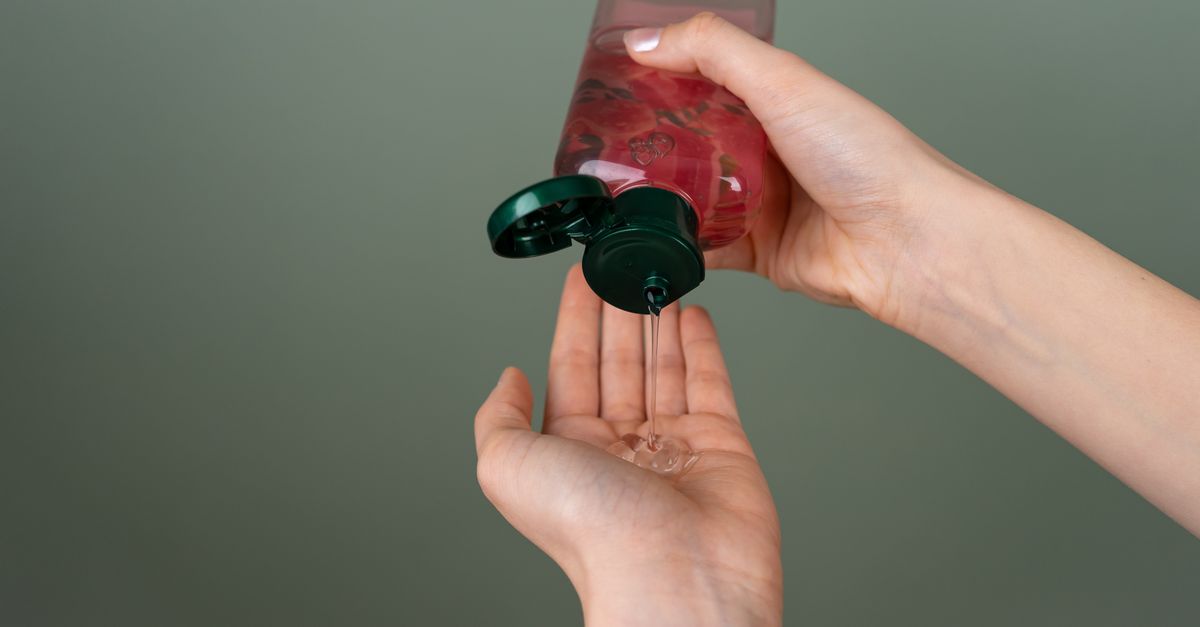
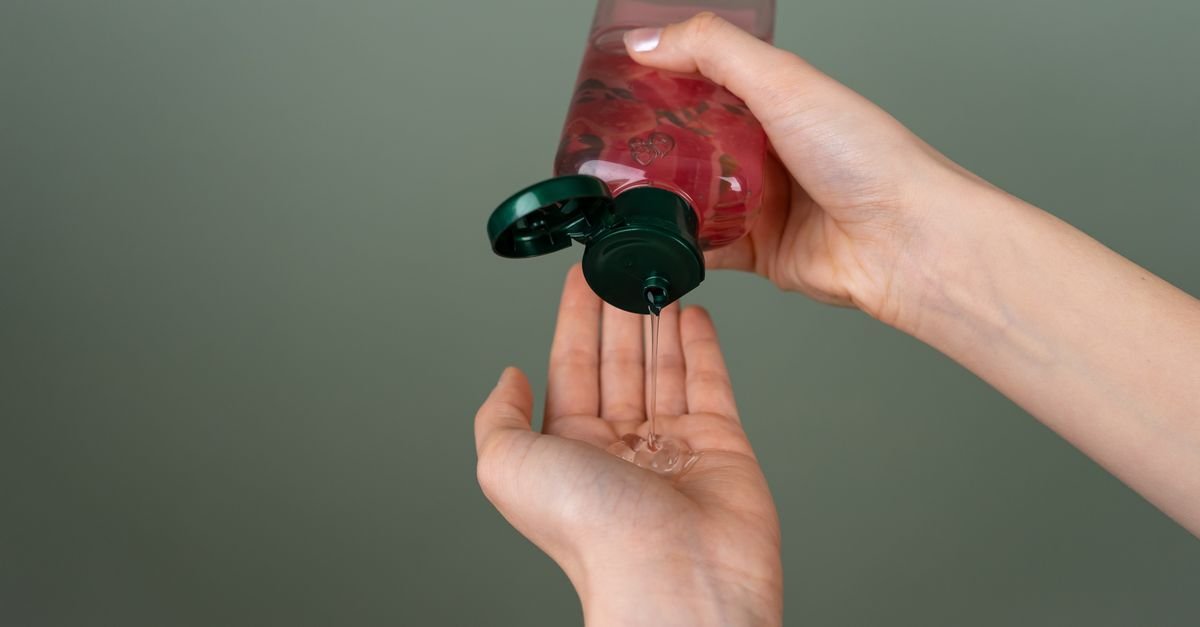
One tiny drop is not enough. Apply a palmful of sanitizer. You want enough to cover both hands completely, including between fingers and around nails. If it dries before you finish rubbing, you probably didn’t use enough.
Rub Until Dry
Rub your hands together, covering every surface. Keep rubbing until the sanitizer dries on its own. Don’t wipe it off. Don’t wave your hands frantically. Let the alcohol do its job. The whole process should take about 20 seconds, similar to handwashing.
If your hands feel sticky after it dries, you may have used too much or the product may have added ingredients that don’t evaporate. That’s not dangerous, just annoying. Adjust next time.
Common Myths About Soap and Sanitizer
Misinformation spreads faster than a sneeze in a crowded room. Let’s clear up a few stubborn myths.
Myth: Sanitizer Kills 99.99% of Germs, So It’s Always Best
That “99.99%” label sounds impressive, but it’s based on specific germs in lab conditions. Real life is messier. Sanitizer may not kill norovirus, C. diff, or germs hidden under dirt and grease. Soap and water physically remove a wider range of contaminants. Sanitizer is convenient, not almighty.
Myth: Antibacterial Soap Is Superior
For most people, plain soap works just fine. The FDA has said that antibacterial soaps with certain ingredients are not proven to be more effective than regular soap for preventing illness. Plain soap plus water plus friction is a powerful combo. Antibacterial ingredients can also irritate skin and may contribute to resistance concerns.
Myth: Hand Sanitizer Causes Supergerms
Alcohol-based sanitizers kill a broad spectrum of germs quickly. They don’t work like antibiotics, which target specific bacterial functions and can breed resistance. The bigger issue is using sanitizer when it doesn’t work, like on dirty hands or against tough viruses. Use the right tool for the right job.
Choosing the Best Products for Your Family
Walk down the hand hygiene aisle and you’ll see a rainbow of bottles. How do you choose? Keep it simple.
Soap: Simple Is Often Better
Choose a gentle, fragrance-free soap if you have sensitive skin. Liquid or bar soap both work. What matters is that you use it correctly and often. Avoid harsh antibacterial formulas unless a healthcare provider recommends them. For kids, fun colors and pump bottles can make handwashing more inviting.
Sanitizer: Alcohol-Based and Moisturizing
Look for at least 60% alcohol. Check the label for ethanol or isopropyl alcohol. Avoid sanitizers that contain methanol, which is toxic. A moisturizing formula with aloe or glycerin can help prevent dryness. For kids, supervise use and keep bottles out of reach. Swallowing even a small amount of alcohol-based sanitizer can be dangerous.
Special Situations: Kids, Work, Travel, and Healthcare
Different environments call for different hand hygiene strategies. Here’s how to adapt.
Kids and Schools
Kids touch everything, then touch their faces. Teach them to wash after bathroom breaks, before snacks, and after recess. If soap isn’t available, send them with sanitizer, but remind them it’s not for sticky or dirty hands. Make handwashing a game: sing a song, count to 20, or use a sticker chart.
Workplaces and Offices
Desks, keyboards, and shared kitchens are germ highways. Wash before eating and after using the restroom. Keep sanitizer at your desk for quick cleanups after meetings or shared equipment. If you handle food or public items, soap and water should be your go-to.
Travel and Camping
Airports, train stations, and campsites aren’t known for spotless sinks. Pack sanitizer with at least 60% alcohol. Use it after touching handrails, seats, and shared trays. When you find a sink, wash thoroughly. If you’re camping, bring biodegradable soap and use it away from natural water sources.
Healthcare and Caregiving
If you’re caring for a sick family member, wash your hands often. Use soap and water after changing diapers, helping with toileting, or handling bodily fluids. Sanitizer can be used between those tasks if hands aren’t visibly soiled. Healthcare workers follow specific guidelines for a reason: high-risk germs demand the best hygiene.
Environmental and Ethical Considerations
Hand hygiene has an environmental footprint too. It’s not the biggest issue in your day, but it’s worth a thought.
Water Use and Packaging
Soap and water use water and often come in plastic bottles. Hand sanitizer uses alcohol and comes in plastic bottles too. Neither is perfectly green. You can reduce waste by using refillable dispensers, choosing bar soap with minimal packaging, and buying sanitizer in larger containers when possible.
Ingredients to Watch
Some people prefer to avoid certain ingredients like triclosan, synthetic fragrances, or dyes. Read labels if you have allergies or sensitivities. For sanitizer, alcohol is the active ingredient. Moisturizers and gelling agents are usually fine, but fragrance can irritate sensitive skin.
Building a Hand Hygiene Habit That Sticks
Knowledge alone doesn’t change behavior. Habits do. Here’s how to make hand hygiene automatic.
Cue, Routine, Reward
Every habit has a cue, a routine, and a reward. Your cue might be walking into the kitchen or getting out of the car. The routine is washing or sanitizing. The reward is knowing you’re protecting yourself and others. Attach hand hygiene to existing routines: after parking, before meals, after bathroom, after school pickup.
Make It Easy and Visible
Put soap next to every sink. Keep sanitizer in your bag, car, and desk. Make it visible and reachable. If it’s out of sight, it’s out of mind. For kids, make it fun with colorful pumps or a handwashing song. The easier it is, the more likely you’ll do it.
Conclusion: The Smartest Approach Is Using Both Wisely
Soap and hand sanitizer aren’t rivals. They’re teammates with different strengths. Soap and water are the heavyweight champions for removing dirt, grease, and a wide range of germs. Hand sanitizer is the agile sprinter for moments when a sink isn’t available. The best hand hygiene strategy uses both, at the right times, with the right technique.
Wash when you can, sanitize when you can’t, and don’t skip the in-between moments. Your hands do a lot for you. A little soap, water, and alcohol-based gel can return the favor by keeping you and the people around you healthier. It’s not about being paranoid. It’s about being prepared.
FAQs
Is hand sanitizer as effective as soap and water?
Not always. Soap and water are more effective at removing a broad range of germs, especially when hands are dirty or greasy. Hand sanitizer is a strong second choice when soap isn’t available, but it can’t handle every germ or visible contamination.
What if hand sanitizer is the only option?
Use it. Choose a product with at least 60% alcohol, apply enough to cover your hands, and rub until dry. Remember that it’s a temporary solution. Wash with soap and water as soon as you can, especially before eating or after using the bathroom.
Can I use hand sanitizer on visibly dirty hands?
No. Sanitizer doesn’t cut through dirt, grease, or food residue. If your hands are visibly dirty, it will just spread the mess around and may not kill germs effectively. Use soap and water instead.
How long should I wash my hands?
Scrub for at least 20 seconds. That’s about the time it takes to sing “Happy Birthday” twice. Don’t forget the backs of your hands, between fingers, under nails, and around thumbs and wrists.
Does hand sanitizer expire?
Yes, hand sanitizer can expire. The alcohol can evaporate over time, reducing its effectiveness. Check the expiration date on the bottle. If it’s expired, replace it. If you’re unsure, it’s better to use a fresh bottle.