Table of Contents
- Your First Blood Donation: How to Prepare
- Why Donating Blood Matters More Than You Think
- Am I Eligible to Donate Blood?
- The Night Before: Your Pre-Donation Prep
- What to Eat and Drink on Donation Day
- What to Bring and Wear
- Understanding the Donation Process Step by Step
- Managing Anxiety and Fear of Needles
- After Your Donation: Recovery and Self-Care
- Common Myths About Blood Donation Debunked
- How Often Can You Donate Blood?
- The Benefits of Being a Regular Donor
- Conclusion: Your Drop in the Bucket Saves Lives
- FAQs About Your First Blood Donation
Your First Blood Donation: How to Prepare
So, you’ve decided to donate blood for the first time. That’s awesome! You’re about to join a club of everyday heroes who roll up their sleeves to save lives. But let’s be real: the unknown can be a little intimidating. Will it hurt? How long will it take? What if I faint? Don’t worry—I’ve got you. This guide will walk you through everything you need to know to prepare for your first blood donation, from what to eat to how to calm those pre-needle jitters. By the time you’re done reading, you’ll feel like a pro.
Why Donating Blood Matters More Than You Think
Ever wonder what happens to a pint of blood after it leaves your arm? It’s not just a medical procedure; it’s a lifeline. Think of your blood as a universal spare part that can’t be manufactured in a factory. It’s only made by generous people like you. A single donation can save up to three lives—whether it’s a premature baby fighting for every breath, a cancer patient undergoing chemotherapy, or a trauma victim from a car accident. Pretty incredible, right?
Blood can’t be stockpiled forever. Platelets last only five days, and red blood cells about 42 days. That means hospitals constantly need a fresh supply. When you donate, you’re not just giving a pint; you’re giving someone’s mom, dad, or child another birthday, another holiday, another chance. So, if you’re on the fence, remember: your one hour of mild discomfort is a lifetime of moments for someone else.
Am I Eligible to Donate Blood?
Before you get too excited, let’s make sure you’re good to go. Blood donation centers have rules—not to be buzzkills, but to protect both you and the recipient. These guidelines are there to ensure your safety and the safety of the person receiving your blood. So, let’s break down the basics.
Basic Requirements You Need to Meet
Generally, you need to be in good health, feel well, and not be taking certain medications. You’ll also need to provide a valid ID, and you should weigh at least 110 pounds (50 kg). Why the weight minimum? Because your blood volume is proportional to your size, and smaller people can’t safely spare a pint without feeling dizzy or faint. You also need to be at least 16 or 17 years old, depending on your state or country (with parental consent for 16-year-olds in some places).
Age and Weight Considerations
Age isn’t just a number when it comes to donating—there’s usually an upper limit, often 65 to 75, though many centers allow regular donors to continue beyond that with a doctor’s note. Weight matters because a pint of blood is about 8–10% of your total blood volume. If you’re under 110 pounds, that percentage is higher, and you might feel lightheaded. So, if you’re petite, check with your local center about specific guidelines.
Health Conditions and Medications
Got a cold? Wait until you’re symptom-free. On antibiotics? Usually you need to finish them and be symptom-free for 24–48 hours. Blood pressure and cholesterol medications are often fine, but certain blood thinners, acne drugs like isotretinoin, or hormones might disqualify you temporarily. Also, if you’ve traveled to a malaria-risk area recently, you might have to wait. It’s always best to check the specific eligibility list on your blood bank’s website or call them. Don’t assume you’re ineligible—many people are surprised they can donate.
The Night Before: Your Pre-Donation Prep
Preparation starts the night before. Think of your body as a car preparing for a long road trip—you wouldn’t start a journey on an empty tank and bald tires, right? Same goes for donating blood. A little prep goes a long way in making the experience smooth and comfortable.
Hydration: The Unsung Hero
Drink plenty of water the day before and the morning of your donation. Why? Because hydrated blood flows faster, which means the needle is in your arm for less time. Aim for an extra 16–24 ounces of water. Skip the sugary sodas and heavy caffeine—they can dehydrate you. Think of water as your donation day fuel. If you’re well-hydrated, your veins will be plump and easy to find, making the phlebotomist’s job easier and your experience quicker.
Eat Iron-Rich Foods
Iron is what helps your body make hemoglobin, the protein that carries oxygen. Before donating, load up on iron-rich foods like spinach, red meat, beans, lentils, fortified cereals, and dark chocolate (yes, you read that right—dark chocolate has iron!). Pair iron with vitamin C (think oranges, bell peppers, strawberries) to boost absorption. Avoid drinking tea or coffee right after an iron-rich meal, as tannins can block iron absorption. Your goal? Keep your hemoglobin levels in the healthy range so you pass the finger-prick test.
Get a Good Night’s Sleep
Sleep is your body’s repair mode. A well-rested body handles stress better, and donating blood is a mild stressor. Aim for 7–9 hours of quality sleep. If you’re up all night worrying, you’re more likely to feel faint or anxious. So, put away the screens, brew some chamomile tea, and hit the hay early. Your veins will thank you.
What to Eat and Drink on Donation Day
Donation day is game day. You want to be fueled, hydrated, and calm. What you put in your body in the hours before your appointment directly affects how you feel during and after.
Breakfast: Fuel Your Body
Never skip breakfast. Eat a healthy meal within two hours of donating. Think complex carbs, lean protein, and iron-rich foods. A bowl of oatmeal with nuts and berries, eggs with whole-wheat toast, or a spinach smoothie are all great options. This meal keeps your blood sugar stable and gives your body the energy it needs to bounce back after losing a pint.
Avoid Fatty Foods
That greasy burger or fried chicken might sound tempting, but it can make your blood plasma look milky (a condition called lipemia). That doesn’t mean your blood is bad, but it can’t be tested properly, and your donation might be discarded. So, skip the fast food before donating. Stick to lean proteins, fruits, veggies, and whole grains.
Caffeine and Alcohol: What to Skip
Alcohol is a big no-no before donating—it dehydrates you and thins your blood. As for caffeine, a small cup of coffee is usually fine, but too much can raise your blood pressure and make you jittery. Your best bet? Water, herbal tea, or juice. And remember, no alcohol for at least 24 hours before and after your donation.
What to Bring and Wear
Packing for your donation is simple, but a little forethought can save you from awkward moments. You don’t want to be fumbling for your ID while trying to keep your sleeve rolled up.
Essential Items for Your Donation
Bring a valid photo ID (driver’s license, passport, or donor card). If you have a list of medications, bring that too—it helps the staff determine your eligibility. A list of emergency contacts isn’t required but can be handy. And don’t forget your phone or a book for entertainment during the wait.
Clothing Choices That Make a Difference
Wear a short-sleeved shirt or one with sleeves that can easily roll up above your elbow. Avoid tight sleeves or long-sleeved shirts that you’d have to remove entirely. A loose, comfortable top is ideal. You might also want to bring a light jacket or sweater, as donation centers can be chilly. Comfort is key.
Understanding the Donation Process Step by Step
Knowing what to expect can melt away anxiety. The whole process usually takes about 30–45 minutes, with the actual blood draw lasting only 8–10 minutes. Here’s the play-by-play.
Registration and Mini-Physical
When you arrive, you’ll sign in and show your ID. Then you’ll answer a confidential questionnaire about your health, travel history, and lifestyle. Next comes a quick mini-physical: they’ll check your temperature, blood pressure, pulse, and hemoglobin levels (via a tiny finger prick). This finger prick feels like a quick pinch. If you pass, you’re cleared to donate.
The Actual Donation: What It Feels Like
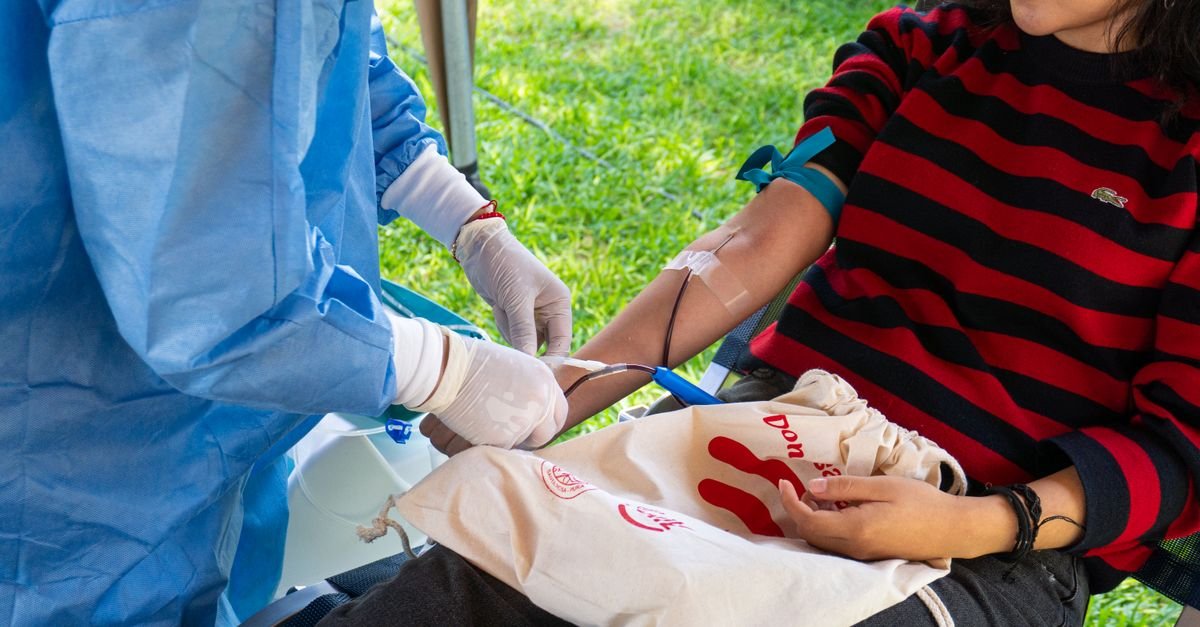
You’ll sit in a comfortable reclining chair. The phlebotomist will clean your arm and insert a sterile needle. You’ll feel a quick sting—like a mosquito bite—and then nothing. The blood flows into a bag. You might feel a cool sensation in your arm. Some people feel a little tingling around their lips or nose, which is normal and goes away. The whole time, you can chat, listen to music, or just relax. Before you know it, it’s over.
Post-Donation Recovery and Refreshments
After the needle is removed, you’ll be asked to keep your arm straight and apply pressure. Then you’ll head to the refreshment area. You’ll be offered juice, cookies, and salty snacks. Don’t skip this! The sugar and salt help your body recover, and sitting for 10–15 minutes reduces the risk of dizziness. It’s also a nice chance to pat yourself on the back.
Managing Anxiety and Fear of Needles
Let’s be honest: needles aren’t everyone’s cup of tea. If you’re nervous, you’re not alone. But you can manage it.
Techniques to Stay Calm
Practice deep breathing: inhale for four counts, hold for four, exhale for six. This activates your parasympathetic nervous system, calming your heart rate. Tense your legs and arms for five seconds, then release—this reduces the fight-or-flight response. Tell the staff you’re nervous; they’re pros at helping anxious donors. They might give you a cold pack or a stress ball.
Distraction Is Your Friend
Bring headphones and listen to a podcast or your favorite playlist. Watch a funny video on your phone. Chat with the person next to you. The more you focus on something else, the less you’ll notice the needle. Remember, the actual insertion lasts only a second. You’ve survived worse—like that paper cut last week.
After Your Donation: Recovery and Self-Care
You did it! Now it’s time to take care of yourself. Your body just gave away a pint of precious fluid, so treat it with kindness.
Immediate Aftercare Tips
Keep the bandage on for at least four hours. Avoid heavy lifting or strenuous exercise for the rest of the day. Drink extra fluids—water, juice, sports drinks. Eat a snack. If you feel lightheaded, lie down with your feet elevated. Don’t try to be a hero and drive immediately if you feel woozy; sit and relax.
The Next 24 Hours
For the next 24 hours, keep hydrating. Avoid alcohol and smoking, as they worsen dehydration. If your arm feels sore or bruised, apply a cold pack. You might feel tired—that’s normal. Take it easy. Most people feel completely fine within a few hours, but some take a day to bounce back.
When to Call a Doctor
Rarely, complications can occur. Call your doctor if you experience persistent dizziness, nausea, a rapid heartbeat, or if the needle site becomes swollen, red, and warm to the touch (signs of infection). Also, if you faint, let the blood bank know so they can guide you.
Common Myths About Blood Donation Debunked
Myth: Donating blood makes you weak. Fact: Your body replenishes the plasma within 24 hours and red blood cells within a few weeks. You might feel tired for a day, but you won’t be permanently weakened. Myth: You can get a disease from donating. Fact: Sterile, single-use needles are used every time. Your risk is zero. Myth: You can’t donate if you have tattoos. Fact: As long as your tattoo was done in a licensed facility, you can usually donate after a short waiting period. Myth: It takes hours. Fact: The whole process is under an hour. Don’t let myths stop you from saving lives.
How Often Can You Donate Blood?
Whole blood donations can be made every 56 days (about 8 weeks). Platelet donations can be done every 7 days, up to 24 times a year. Plasma donations can be done every 28 days. Your body needs time to rebuild its blood supply, so don’t overdo it. Regular donors are the backbone of the blood supply, and you can become one too.
The Benefits of Being a Regular Donor
Beyond the warm fuzzy feeling, regular donation has perks. Some studies suggest it can help balance iron levels, which may reduce the risk of heart disease. You get a free mini-health check every time—blood pressure, hemoglobin, pulse. You might even burn a few calories (about 650 per donation). But the biggest benefit? Knowing you’re someone’s hero. That’s a feeling money can’t buy.
Conclusion: Your Drop in the Bucket Saves Lives
Your first blood donation is a milestone. It’s a chance to step up, face a tiny fear, and do something profoundly good. With the right preparation—hydrating, eating well, sleeping enough, and staying calm—you’ll sail through it. Remember, the staff are there to help you, and thousands of people before you have done this successfully. So, take a deep breath, roll up your sleeve, and get ready to be someone’s lifeline. You’ve got this.
FAQs About Your First Blood Donation
How long does a blood donation take?
The entire process—registration, mini-physical, donation, and refreshments—usually takes about 45 minutes to an hour. The actual blood draw itself lasts only 8–10 minutes.
Does donating blood hurt?
You’ll feel a quick pinch when the needle goes in, similar to a mosquito bite or a slight sting. After that, you shouldn’t feel any pain. Some people feel a mild coolness or tingling, but it’s temporary.
Can I donate if I have a cold?
No, it’s best to wait until you’re completely symptom-free for at least 24 hours. Donating while sick can make you feel worse and potentially pass on germs. Wait until you’re fully recovered.
What should I do if I feel dizzy after donating?
Lie down and elevate your feet above your heart. Drink something sugary, like juice or soda. Apply a cold compress to your forehead or back of your neck. If dizziness persists, tell the staff immediately.
How soon can I donate again?
For whole blood, you must wait 56 days (8 weeks). For platelets, you can donate every 7 days, up to 24 times a year. For plasma, it’s every 28 days. Always follow your local blood bank’s guidelines.