Table of Contents
- 6 Healthy Breakfasts for a Small Appetite
- Why a Small Appetite Doesn’t Mean You Skip Breakfast
- How to Build a Small-Appetite Breakfast That Works
- Focus on Nutrient Density, Not Volume
- Play With Temperature and Texture
- Keep It Easy and Low-Stress
- 1. Greek Yogurt and Berry Crunch Cup
- 2. Soft-Boiled Egg and Avocado Toast Fingers
- 3. Warm Oatmeal With Nut Butter and Banana
- 4. Green Smoothie With Protein and Chia
- 5. Cottage Cheese Bowl With Peach and Toasted Seeds
- 6. Savory Miso Soup With Tofu and Spinach
- Smart Swaps for Picky Morning Appetites
- Hydration and Morning Hunger: A Gentle Connection
- Common Mistakes That Kill a Small-Appetite Breakfast
- How to Make These Breakfasts Part of Your Routine
- Conclusion: Small Breakfast, Big Benefits
- FAQs
6 Healthy Breakfasts for a Small Appetite
Some mornings, your stomach is basically whispering. You’re awake, you’re moving, but the idea of a giant plate of eggs, potatoes, and toast feels like climbing a mountain before coffee. That’s completely normal. A small appetite in the morning doesn’t mean you’re broken, and it doesn’t mean you have to force down a feast. It just means you need breakfast ideas that pack a punch without taking up half the table.
Think of it like this: you don’t need a huge fuel tank to get your car moving. You just need the right fuel. The six healthy breakfasts below are designed for small appetites, busy mornings, and real-life schedules. They’re gentle on your stomach, rich in nutrients, and flexible enough to match whatever you’re craving—sweet, savory, warm, cold, creamy, or crunchy.
Why a Small Appetite Doesn’t Mean You Skip Breakfast
Let’s clear something up right away: not everyone wakes up hungry. Your appetite is influenced by sleep, stress, hormones, medication, hydration, and even the temperature outside. If you’re not ravenous at 7 a.m., that doesn’t automatically mean you should skip breakfast. It might simply mean your body wants something smaller, softer, or later.
Skipping breakfast can work for some people, but for many others, it leads to a mid-morning crash, shaky energy, or a raging appetite by lunch. You know that feeling—suddenly you’re starving and you’d eat a shoe if it had enough salt on it. A small, balanced breakfast can prevent that rollercoaster. It’s not about stuffing yourself. It’s about giving your body a gentle landing pad for the day.
The Science of Gentle Morning Hunger
Your hunger hormones are not the same at 6 a.m. as they are at 6 p.m. Ghrelin, the hormone that says “feed me,” often rises later in the day for people with a small morning appetite. Leptin, which helps you feel satisfied, can be higher in the morning. On top of that, cortisol naturally peaks early, which can suppress hunger for some people and increase it for others.
What does that mean for you? It means your morning appetite is personal. You don’t have to compare your breakfast to someone else’s. A small bowl of yogurt with seeds might be your perfect start, while someone else needs a full omelet. Both can be healthy.
What “Healthy” Really Means in the Morning
A healthy breakfast isn’t just low-calorie or low-carb or high-protein. It’s a mix of nutrients that supports your energy, brain, muscles, and digestion. For a small appetite, the goal is to make every bite count. You want protein for staying power, fiber for digestion, healthy fats for satiety, and a few micronutrients for overall health.
You also want enjoyment. If breakfast feels like a punishment, you won’t stick with it. A healthy breakfast can taste like a treat—creamy yogurt, warm oatmeal, crispy seeds, sweet berries. Healthy doesn’t have to mean boring.
How to Build a Small-Appetite Breakfast That Works
Before we get into the six breakfasts, let’s talk about the blueprint. Once you understand the formula, you can mix and match forever. You don’t need a chef’s hat or a fancy blender. You just need a few simple principles.
Focus on Nutrient Density, Not Volume
When your appetite is small, volume is not your friend. A giant bowl of lettuce might look impressive, but it won’t give you much energy. Instead, choose foods that are dense in nutrients but small in size. Greek yogurt, eggs, nut butter, chia seeds, cottage cheese, tofu, and avocado are all excellent examples. They deliver a lot of goodness without requiring you to eat a mountain of food.
Play With Temperature and Texture
Sometimes a small appetite is really a sensory issue. Maybe warm food feels soothing. Maybe cold, creamy food feels easier. Maybe you need crunch to make breakfast interesting. Pay attention to what your body actually wants. A warm bowl of oatmeal can feel like a hug. A cold smoothie can feel refreshing. A soft-boiled egg with crispy toast fingers can feel like a tiny adventure.
Keep It Easy and Low-Stress
Stress kills appetite. If you’re rushing around, trying to find matching socks and a clean coffee mug, your body will put digestion on the back burner. Choose breakfasts that take five minutes or less, or prep them the night before. The easier it is, the more likely you’ll actually eat.
1. Greek Yogurt and Berry Crunch Cup
Why It Works for a Tiny Appetite
Greek yogurt is creamy, cool, and protein-packed. It’s gentle on the stomach and doesn’t feel heavy. Berries add natural sweetness and antioxidants, while a sprinkle of nuts or seeds gives you healthy fats and a satisfying crunch. It’s like a mini parfait that doesn’t scream “I’m eating a full meal.”
Quick Recipe
Ingredients:
- 1/2 cup plain Greek yogurt
- 1/4 cup fresh berries (blueberries, raspberries, or chopped strawberries)
- 1 tablespoon crushed walnuts, almonds, or pumpkin seeds
- A pinch of cinnamon
Steps:
- Scoop the yogurt into a small bowl or cup.
- Top with berries, nuts or seeds, and cinnamon.
- Stir gently if you like a swirled texture, or leave it layered.
- Eat with a small spoon and enjoy slowly.
Optional Mix-Ins
Try a drizzle of honey, a spoonful of chia seeds, a few dark chocolate chips, or a tablespoon of granola for extra crunch. If dairy bothers you, coconut yogurt or almond yogurt works too.
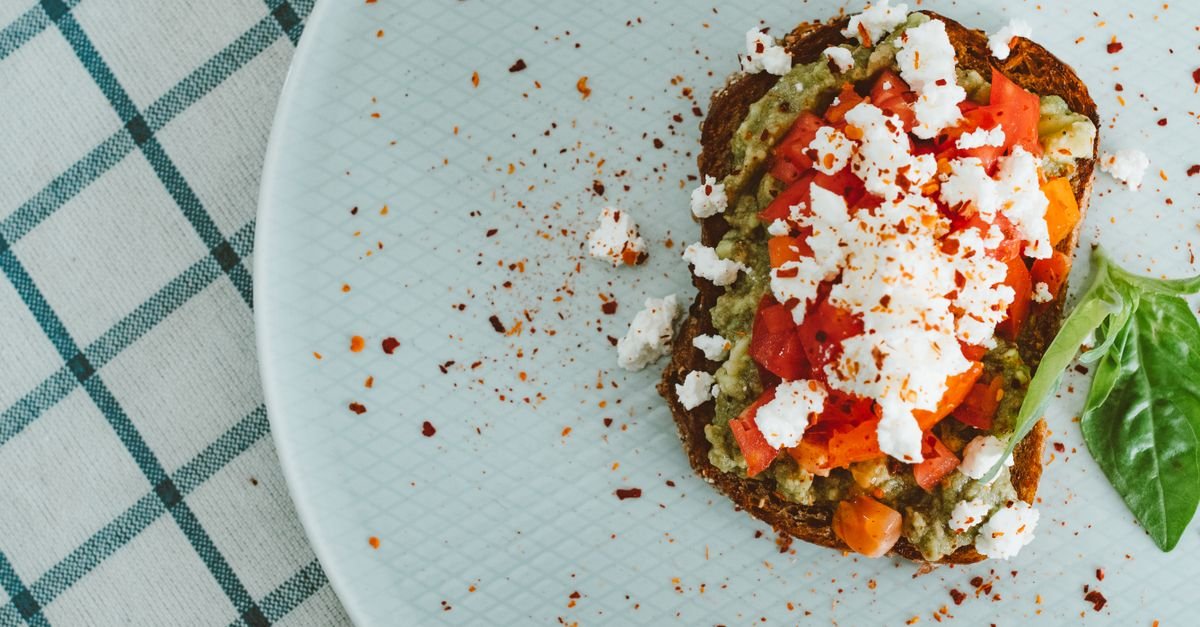
2. Soft-Boiled Egg and Avocado Toast Fingers
Why It Works for a Tiny Appetite
Eggs are a breakfast classic for a reason. One soft-boiled egg gives you high-quality protein and healthy fats without making you feel stuffed. Avocado adds creaminess, and toast fingers make it fun to eat. It’s a small plate that feels elegant, even if you’re eating it in your pajamas.
Quick Recipe
Ingredients:
- 1 large egg
- 1/4 avocado
- 1/2 slice whole-grain toast
- A squeeze of lemon juice
- Salt and pepper to taste
Steps:
- Boil the egg for 6 to 7 minutes, then cool it in ice water and peel.
- Mash the avocado with lemon juice, salt, and pepper.
- Toast the bread and spread the avocado on top.
- Slice the toast into narrow “fingers.”
- Cut the egg in half and place it beside the toast fingers. Dip and eat.
Optional Mix-Ins
Sprinkle everything bagel seasoning, red pepper flakes, or microgreens on the avocado. You can also add a thin slice of tomato or a few drops of hot sauce if your stomach likes a little kick.
3. Warm Oatmeal With Nut Butter and Banana
Why It Works for a Tiny Appetite
Oatmeal is like a warm blanket for your insides. It’s soft, comforting, and easy to eat even when you’re not very hungry. Nut butter adds protein and healthy fats, while banana brings natural sweetness and potassium. This is a great choice for cold mornings or days when your stomach feels sensitive.
Quick Recipe
Ingredients:
- 1/3 cup rolled oats
- 2/3 cup water or milk of choice
- 1/2 small banana, sliced
- 1 tablespoon peanut butter, almond butter, or sunflower seed butter
- A pinch of salt and cinnamon
Steps:
- Combine oats, water or milk, and a pinch of salt in a small pot.
- Cook over medium heat for 3 to 5 minutes, stirring until creamy.
- Pour into a bowl and top with banana slices and nut butter.
- Add cinnamon and stir it all together.
Optional Mix-Ins
Stir in a spoonful of chia seeds, flax meal, or a scoop of vanilla protein powder. Fresh berries, chopped apple, or a few raisins also work beautifully.
4. Green Smoothie With Protein and Chia
Why It Works for a Tiny Appetite
When chewing feels like too much work, a smoothie is your best friend. It’s hydrating, easy to digest, and you can pack a lot of nutrition into a small glass. Spinach disappears behind the sweetness of fruit, and protein powder keeps you full without heaviness. Chia seeds add fiber and omega-3s.
Quick Recipe
Ingredients:
- 1 handful fresh spinach
- 1/2 cup frozen mango or pineapple
- 1 scoop vanilla or unflavored protein powder
- 1 tablespoon chia seeds
- 1 cup water, almond milk, or coconut water
Steps:
- Add all ingredients to a blender.
- Blend until completely smooth.
- If it’s too thick, add a splash more liquid.
- Pour into a small glass and sip slowly.
Optional Mix-Ins
Add 1/4 avocado for creaminess, a small knob of fresh ginger for zing, or a tablespoon of oats for extra staying power. If you don’t have protein powder, use Greek yogurt or silken tofu.
5. Cottage Cheese Bowl With Peach and Toasted Seeds
Why It Works for a Tiny Appetite
Cottage cheese is having a moment, and for good reason. It’s high in protein, low in fuss, and creamy enough to feel indulgent. Peaches add juicy sweetness, and toasted seeds give you a warm, nutty crunch. This bowl is small but mighty—like a quiet superhero in breakfast form.
Quick Recipe
Ingredients:
- 1/2 cup cottage cheese
- 1/2 fresh peach, sliced (or a few frozen peach slices, thawed)
- 1 tablespoon pumpkin seeds or sunflower seeds
- A drizzle of honey or maple syrup
- A pinch of cinnamon or nutmeg
Steps:
- Toast the seeds in a dry skillet for 1 to 2 minutes until fragrant. Set aside.
- Scoop cottage cheese into a small bowl.
- Top with peach slices, toasted seeds, honey, and spice.
- Eat with a spoon and enjoy the contrast of creamy and crunchy.
Optional Mix-Ins
Swap peaches for berries, pear, or mango. Add a sprinkle of flax meal, a few chopped walnuts, or a drop of almond extract for a fancy twist.
6. Savory Miso Soup With Tofu and Spinach
Why It Works for a Tiny Appetite
Not everyone wants sweet breakfast. If you’re team savory, this miso soup is a game-changer. It’s warm, brothy, and light, but tofu and spinach add protein and iron. It feels like a gentle reset for your stomach, especially if you woke up feeling a little off. Plus, it’s ready in about five minutes.
Quick Recipe
Ingredients:
- 1 cup low-sodium vegetable or chicken broth
- 1 tablespoon white miso paste
- 1/4 block firm tofu, cubed
- 1 handful fresh spinach
- 1 scallion, sliced
- A few drops of sesame oil (optional)
Steps:
- Warm the broth in a small pot over medium heat. Don’t boil it.
- Add tofu cubes and spinach. Simmer for 2 minutes until spinach wilts.
- Turn off the heat. In a small bowl, whisk miso with a ladle of warm broth until smooth.
- Stir the miso mixture back into the pot. Add scallion and sesame oil.
- Pour into a mug or bowl and sip or spoon it slowly.
Optional Mix-Ins
Add a handful of cooked noodles, sliced mushrooms, a soft-boiled egg, or some seaweed. If you want more protein, use extra tofu or add shredded chicken.
Smart Swaps for Picky Morning Appetites
Your appetite changes. Some days you want sweet. Some days you want savory. Some days you want to drink your breakfast through a straw while running out the door. Here are a few smart swaps to keep things interesting.
When You Want Something Sweet
Try Greek yogurt with cocoa powder and a little maple syrup. Or blend a frozen banana with peanut butter and milk for a milkshake-like smoothie. You can also make overnight oats in a small jar—just oats, milk, chia seeds, and a dash of vanilla.
When You Want Something Savory
A single scrambled egg with a spoonful of salsa is quick and satisfying. You can also roll a slice of turkey and cheese around a pickle spear. Or warm up leftover roasted vegetables and top them with a fried egg.
When You’re Running Out the Door
Grab a hard-boiled egg, a cheese stick, and a small apple. Or make a portable smoothie and take it with you. A small container of cottage cheese with berries also travels well if you have a cooler bag.
Hydration and Morning Hunger: A Gentle Connection
Sometimes your body is thirsty, not hungry. But sometimes drinking too much water right before breakfast can make your stomach feel full and turn off your appetite. It’s a delicate balance. Here’s how to handle it.
Sip Before You Eat
Start your morning with a small glass of water—maybe 4 to 8 ounces. Add lemon, cucumber, or mint if plain water bores you. This helps wake up your digestive system without flooding it.
Don’t Flood Your Stomach
If you drink a huge bottle of water and then try to eat, you’ll feel bloated and uninterested. Sip slowly. Save the rest of your water for after breakfast or throughout the morning. Herbal tea counts too, and it can be soothing for a small appetite.
Common Mistakes That Kill a Small-Appetite Breakfast
Even with good intentions, it’s easy to sabotage your morning meal. Here are a few traps to avoid.
Giant Portions
If you pile your plate high, your brain will say “no thanks” before you take a bite. Start small. You can always eat more later. A small bowl or plate is your friend.
Too Much Sugar, Too Little Protein
A pastry and orange juice might taste great, but it won’t keep you full. You’ll crash an hour later. Pair carbs with protein and fat. For example, add a hard-boiled egg to that toast or Greek yogurt to that fruit.
Eating Too Fast
When you eat quickly, your brain doesn’t have time to register fullness. You might feel uncomfortably stuffed even though you ate a small amount. Slow down. Chew. Put your fork down between bites. Treat breakfast like a mini pause, not a race.
How to Make These Breakfasts Part of Your Routine
Consistency beats perfection. You don’t need to eat the same thing every day, but a little routine can help your body expect food in the morning.
Prep Once, Eat Easy
Spend ten minutes on Sunday washing berries, boiling eggs, or portioning yogurt into small jars. Toasting seeds and making a batch of oatmeal ahead of time also helps. When breakfast is ready to grab, you’re more likely to eat it.
Listen to Your Hunger Cues
Some days you’ll want more. Some days you’ll want less. That’s fine. Start with a small serving and check in with yourself. If you’re still hungry, eat a little more. If you’re satisfied, stop. Your body is smarter than any diet rule.
Adjust With the Seasons
In summer, cool smoothies and yogurt bowls feel refreshing. In winter, warm oatmeal and miso soup feel cozy. Let the weather guide you. Your appetite often changes with the seasons, so your breakfast can too.
Conclusion: Small Breakfast, Big Benefits
A small appetite doesn’t have to mean a sad, skipped breakfast. It just means you get to be choosy. You get to focus on flavor, texture, and nutrient density instead of volume. Whether you reach for a creamy yogurt cup, a warm bowl of oatmeal, or a savory mug of miso soup, you’re giving your body a gentle start.
Remember, the best breakfast is the one you’ll actually eat. Keep it simple. Keep it small. Keep it delicious. Your morning self will thank you.
FAQs
1. What if I’m not hungry at all in the morning?
Start with something very small, like a few spoonfuls of yogurt or half a smoothie. You don’t have to force a full meal. Sometimes just a little food wakes up your appetite for later. If you consistently have no morning hunger and it worries you, talk to a doctor or dietitian.
2. Can I drink my breakfast instead of eating it?
Absolutely. Smoothies, protein shakes, and even savory soups can be sipped. Just make sure they include protein, fiber, and healthy fats. A smoothie made only of fruit will spike your blood sugar and leave you hungry. Add yogurt, protein powder, chia seeds, or nut butter to make it balanced.
3. How long should I wait to eat after waking up?
There’s no perfect rule. Some people eat within 30 minutes. Others prefer to wait an hour or two. Pay attention to your hunger signals. If you feel shaky, irritable, or lightheaded, eat sooner. If you feel fine, you can wait until you’re ready.
4. Are these breakfasts good for weight loss?
They can be part of a healthy weight-loss plan because they’re nutrient-dense and help control appetite. But weight loss depends on your overall eating pattern, activity, sleep, and stress. These breakfasts are not magic—they’re just balanced, satisfying options that can fit into many different goals.
5. What if I have GERD or a sensitive stomach?
Choose gentle options like oatmeal, yogurt, bananas, and soft-boiled eggs. Avoid very spicy, acidic, or greasy foods in the morning. Miso soup can be soothing, but skip the chili oil. If certain foods trigger symptoms, keep a food diary and talk to your healthcare provider.


