Table of Contents
- Why Preventive Health Care Matters
- What Is Preventive Health Care?
- Why Prevention Beats Reaction
- The Real-World Benefits of Preventive Health Care
- Preventive Care Across Every Life Stage
- Core Pillars of Preventive Health Care
- How Preventive Health Care Saves Money
- Prevention and Mental Health
- Common Myths About Preventive Health Care
- How to Build a Preventive Health Routine
- The Role of Employers and Communities
- Barriers to Preventive Care and How to Overcome Them
- Preventive Health Care in a Digital World
- What Preventive Health Care Is Not
- Conclusion: Small Steps, Big Payoff
- FAQs About Preventive Health Care
Why Preventive Health Care Matters
Imagine waiting until your car’s engine starts smoking before you ever check the oil. You wouldn’t do that, right? Yet many of us treat our bodies the same way. We wait for a symptom, a scare, or a diagnosis before we take action. That’s where preventive health care comes in. It’s the oil change for your body, the early warning system for your health, and the quiet habit that can change the whole story of your life.
Preventive health care matters because it helps you catch problems early, manage risk factors sooner, and build a healthier baseline for the future. It isn’t about living in fear of disease. It’s about living with more control, more information, and more choices. And honestly? It can save you time, money, stress, and sometimes your life.
What Is Preventive Health Care?
Preventive health care is the care you receive before you get sick or before a condition becomes serious. It includes routine checkups, vaccinations, screenings, dental visits, eye exams, mental health check-ins, and lifestyle support. It also includes everyday choices like eating well, moving your body, sleeping enough, and managing stress.
Think of preventive care as a bridge between how you feel today and how you want to feel tomorrow. You don’t need a crisis to cross it. You just need a willingness to show up for small, consistent steps. And no, it isn’t only about tests and appointments. It’s also about education, awareness, and early action.
Why Prevention Beats Reaction
Reactive care is what happens after something goes wrong. You feel pain, you notice a lump, you get a bad lab result, and then you act. Preventive care flips that timeline. It asks, “What can we notice now so we have more options later?” That shift matters because many conditions are easier to treat when they’re small.
High blood pressure, diabetes, certain cancers, and heart disease often develop quietly. You might feel completely fine while risk is building in the background. Preventive care helps shine a light on those hidden risks. It gives you a chance to make changes while they’re still manageable. Why wait for the fire alarm when you can check the smoke detector?
The Real-World Benefits of Preventive Health Care
Preventive care isn’t just a nice idea. It has practical, everyday benefits that show up in your health, your wallet, and your calendar.
Better Health Outcomes
When you catch a condition early, treatment is often simpler and more effective. Early screening can find problems before they spread or become harder to manage. Routine care also helps you stay on top of chronic conditions, which means fewer surprises and fewer emergency visits. You’re not just avoiding illness; you’re protecting your quality of life.
Lower Costs Over Time
Preventive care can reduce the need for expensive emergency care, hospital stays, and advanced treatments. It’s a bit like fixing a small leak in your roof. It costs less now than replacing the ceiling later. Insurance plans often cover preventive services, and many employers offer wellness benefits too. The cheapest health problem is usually the one you catch early.
More Productive Days
Health and productivity are tightly linked. When you feel better, you miss fewer days of work or school. You have more energy for your family, your hobbies, and your goals. Preventive care supports that steady rhythm of life. It helps you show up as your best self more often, not just when you’re already running on empty.
Preventive Care Across Every Life Stage
Preventive health care isn’t one-size-fits-all. Your needs change as you move through life. The key is to match your routine to your age, risks, and goals.
Childhood and Adolescence
For children, preventive care includes well-child visits, growth checks, vaccinations, vision and hearing screenings, and developmental assessments. These visits help catch issues early and give parents guidance on nutrition, safety, and behavior. During adolescence, preventive care can also address mental health, substance use risks, and sexual health. It’s a safety net that grows with them.
Adulthood and Working Years
In adulthood, preventive care often focuses on blood pressure, cholesterol, blood sugar, cancer screenings, dental health, and mental well-being. It’s also a good time to talk about stress, sleep, relationships, and substance use. Life gets busy, and it’s easy to put your health last. But a few scheduled check-ins can keep small issues from becoming big interruptions.
Pregnancy and Postpartum Care
During pregnancy, preventive care supports both parent and baby through prenatal visits, screenings, nutrition guidance, and monitoring. After birth, postpartum care matters just as much. It covers physical recovery, mental health, breastfeeding support, and family planning. These check-ins can make a huge difference during a tender, demanding season of life.
Older Adulthood
As we age, preventive care helps manage chronic conditions, reduce fall risks, support bone health, and stay current on screenings and vaccines. It can also protect independence and cognitive health. The goal isn’t just to add years to life. It’s to add life to those years.
Core Pillars of Preventive Health Care
You can think of preventive care as a house with three strong pillars. Each one supports the others, and together they create a sturdy foundation.
Screenings and Checkups
Screenings look for problems before symptoms appear. Checkups give you a chance to review your health history, ask questions, and track changes over time. These visits are not just about finding disease. They’re about understanding your body and making a plan that fits your life.
Vaccinations
Vaccines train your immune system to recognize and fight harmful germs. They protect you and the people around you, especially those who are more vulnerable. Staying current on recommended vaccines is one of the simplest, most effective preventive steps you can take.
Healthy Habits and Lifestyle Choices
Daily habits are the quiet heroes of preventive health. Nutritious food, regular movement, quality sleep, stress management, safe sex, and avoiding tobacco and excess alcohol all lower your risk. You don’t need a perfect routine. You need a repeatable one that works for real life.
How Preventive Health Care Saves Money
Let’s talk money, because health costs can feel overwhelming. Preventive care often reduces spending by preventing emergencies and complications. A routine screening might catch a problem early when treatment is less intensive. A vaccine might keep you out of the hospital. A lifestyle program might help you avoid a lifelong medication.
Many insurance plans cover preventive services at no extra cost, and community health centers offer low-cost options. It’s worth checking what your plan includes. You might be surprised by how much is already available to you. Spending a little time now can protect your savings later.
Prevention and Mental Health
Preventive care isn’t only about the body. Mental health deserves the same proactive attention. Regular check-ins, therapy, stress management, sleep support, and social connection can help prevent burnout, anxiety, and depression from taking root. Think of mental health care as maintenance for your mind.
When you address stress early, you also support your physical health. Chronic stress can affect sleep, blood pressure, digestion, and immune function. So yes, asking for help before you’re in crisis is a form of prevention. It’s strong, smart, and practical.
Common Myths About Preventive Health Care
There are plenty of myths floating around about preventive care. Let’s clear up a few of the most common ones.
Myth: I Feel Fine, So I Don’t Need a Checkup
Feeling fine is wonderful, but it isn’t a diagnostic tool. Many health conditions are silent in their early stages. A checkup can catch risk factors before they turn into symptoms. You don’t go to the dentist only when your tooth hurts, right? Your overall health works the same way.
Myth: Prevention Is Too Expensive
Preventive care can actually be more affordable than reactive care. Many services are covered by insurance, and community programs can help with cost. The bigger expense often comes from waiting until a problem escalates. Prevention is an investment, not an extra bill.
Myth: Preventive Care Is Only for Older People
Young people need preventive care too. The habits and screenings you start early can shape your health for decades. It’s easier to build a strong foundation now than to rebuild one later. Prevention is for every age, not just retirement.
How to Build a Preventive Health Routine
You don’t need a dramatic overhaul. You need a routine you can actually keep. Let’s make it simple.
Start With a Baseline
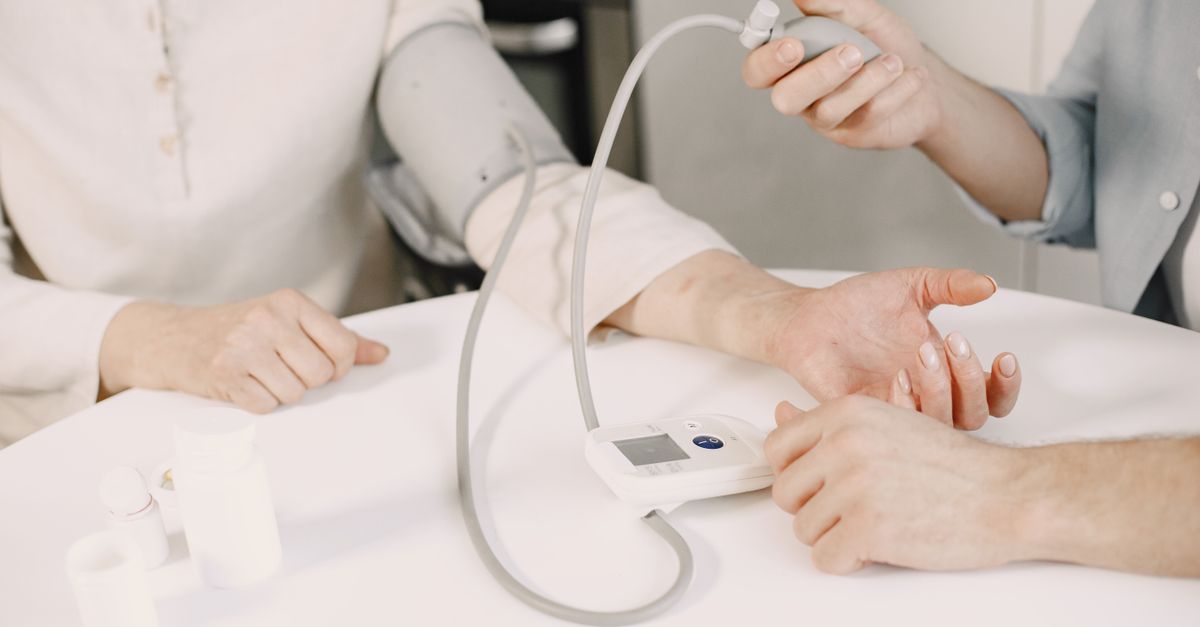
Book a checkup and talk about your family history, lifestyle, and any concerns. Get the basic numbers: blood pressure, cholesterol, blood sugar, and weight. A baseline gives you and your doctor something to compare against later.
Make Screenings Convenient
Schedule screenings when you’re already due for other appointments. Use reminders on your phone. Ask about evening or weekend hours. The easier you make it, the more likely you’ll follow through. Convenience is a real health strategy.
Focus on Small, Repeatable Habits
Pick one or two habits to improve at a time. Add a serving of vegetables to lunch. Take a 10-minute walk after dinner. Set a consistent bedtime. Small habits stack up. You’re not looking for perfection; you’re looking for momentum.
The Role of Employers and Communities
Preventive health care isn’t only an individual responsibility. Employers can offer wellness programs, flexible time for appointments, and health screenings. Communities can provide safe spaces for exercise, affordable healthy food, and accessible clinics. Schools can teach health literacy early.
When these systems work together, prevention becomes easier for everyone. It’s not about blaming people for getting sick. It’s about making the healthy choice the practical choice.
Barriers to Preventive Care and How to Overcome Them
Even when we know prevention matters, barriers get in the way. Let’s name them and work around them.
Cost and Insurance Confusion
Insurance language can feel like a foreign language. Call your plan and ask which preventive services are covered. Look for community health centers and sliding-scale clinics. Don’t assume you can’t afford care until you’ve checked your options.
Time and Access
Busy schedules and long wait times are real problems. Try booking appointments in advance. Ask about telehealth for follow-ups. Combine errands and appointments when possible. If transportation is an issue, look for mobile clinics or local ride programs.
Fear and Avoidance
It’s normal to feel nervous about test results. But avoiding care doesn’t make uncertainty disappear; it often makes it heavier. Bring a trusted friend to appointments. Write down your questions. Tell your provider you’re anxious. A good care team will meet you where you are.
Preventive Health Care in a Digital World
Technology has made prevention more accessible. Wearables can track activity and sleep. Patient portals make it easier to review results and book appointments. Telehealth can connect you with providers when travel is hard. Health apps can send reminders and support habit change.
Just remember that digital tools are helpers, not replacements for professional care. Use them to stay organized and informed, but keep a real relationship with a healthcare provider who knows your story.
What Preventive Health Care Is Not
Preventive care is not about testing everything just because you can. It’s not about perfection, fear, or endless appointments. It’s not a guarantee that you’ll never get sick. And it’s not a replacement for treatment when you do need it.
Instead, preventive care is a partnership. It’s a thoughtful, personalized approach to lowering risk and catching problems early. It respects your time, your values, and your unique health picture.
Conclusion: Small Steps, Big Payoff
Preventive health care matters because it gives you more control over your future. It turns quiet risks into actionable information. It turns small habits into long-term protection. And it turns healthcare from a rescue mission into a steady, supportive relationship. You don’t have to overhaul your life overnight. Start with one appointment, one question, or one healthier habit. The payoff isn’t just a longer life. It’s a better one.
FAQs About Preventive Health Care
What counts as preventive health care?
Preventive health care includes routine checkups, vaccinations, screenings, dental and vision care, mental health check-ins, counseling, and lifestyle support. It also covers everyday choices like nutrition, exercise, sleep, and stress management. The common thread is acting before a problem becomes serious.
How often should I get a checkup?
It depends on your age, health history, and risk factors. Many adults benefit from a checkup every year or every few years, while people with chronic conditions may need more frequent visits. Ask your provider what schedule makes sense for you.
Does preventive care really save money?
It often does. Early detection and risk management can reduce emergency visits, hospital stays, and expensive treatments. Many preventive services are covered by insurance or available through low-cost community programs. The key is to check your coverage and use the resources available to you.
Is preventive care only about physical health?
No. Mental and emotional health are part of preventive care too. Stress management, therapy, sleep support, and social connection can help prevent bigger problems down the road. Whole-person prevention includes your mind and your body.
What’s the easiest way to start?
Start with one simple step: book a routine checkup, schedule a screening you’ve been putting off, or add one healthy habit to your day. Don’t aim for a perfect plan. Aim for a repeatable one. Small steps taken consistently can create a big payoff over time.