Table of Contents
- Health Tips for a Longer, Happier Life: Simple Habits That Actually Work
- Why Longevity and Happiness Belong Together
- Start With Sleep: The Foundation Nobody Can Skip
- Eat for Energy, Not Just for Numbers
- Move Your Body in Ways You Enjoy
- Manage Stress Before It Manages You
- Cultivate Real Connection
- Protect Your Mind With Purpose and Curiosity
- Build a Happier Relationship With Food
- Make Preventive Care a Normal Habit
- Create an Environment That Makes Healthy Choices Easy
- Embrace Moderation and Flexibility
- Conclusion: Longevity Is Built in Ordinary Moments
- FAQs About Health Tips for a Longer, Happier Life
- 1. What is the single most important habit for a longer, happier life?
- 2. How long does it take to see results from healthier habits?
- 3. Do I need a strict diet and intense workouts to live longer?
- 4. Can social connection really affect physical health?
- 5. What should I do if I keep breaking healthy habits?
Health Tips for a Longer, Happier Life: Simple Habits That Actually Work
You do not need a perfect routine to live well. You need a collection of small, repeatable choices that support your body, calm your mind, and make life feel good enough to keep showing up for. That is the heart of health tips for a longer, happier life: not punishment, not perfection, and not a rigid checklist that collapses the moment real life gets messy. Longevity is built through ordinary days, and happiness grows in the same soil.
Think of your health like a house. Sleep is the foundation, food is the fuel, movement is the plumbing, stress management is the roof, and relationships are the people who make the house feel like home. You can patch one part and still feel drafts everywhere else. The goal is to build a life that supports you from several angles at once. And yes, that sounds like a lot. But it becomes simpler when you stop chasing dramatic transformations and start collecting small wins.
Why Longevity and Happiness Belong Together
Longevity gets a lot of attention because it is measurable. You can count years, track biomarkers, and compare habits. Happiness is harder to pin down, but it matters just as much. A longer life with no joy, no connection, and no sense of purpose is not the prize. The real goal is a life with more good days, more energy, and more moments that make you glad you are here.
Research keeps pointing in the same direction: people who feel connected, purposeful, and physically active tend to age better. That does not mean every day will be sunshine. It means the overall pattern of your life matters more than any single choice. You are not trying to win a health contest. You are trying to build resilience, energy, and satisfaction over time.
The Mind-Body Connection Is Not a Cliché
Your brain and body talk constantly. Stress can show up as a tight jaw, poor sleep, digestive trouble, or a short fuse. Loneliness can feel physical. Joy can loosen your shoulders before you even notice. So when you work on your mental and emotional health, you are also working on your physical health. The reverse is true too. Regular movement and nourishing food can lift your mood more reliably than waiting for motivation to strike.
Small Wins Beat Grand Overhauls
Big health plans often fail for a boring reason: they are too big for a normal Tuesday. A ten-step morning routine sounds great until you hit snooze twice and forget half of it. A small win is different. It is a glass of water before coffee. A ten-minute walk after lunch. A screen-free hour before bed. These choices are easy to repeat, and repetition is where real change lives.
Start With Sleep: The Foundation Nobody Can Skip
If you want a longer, happier life, sleep is not a luxury. It is maintenance for your brain, immune system, metabolism, and mood. Skimping on sleep makes everything else harder. Healthy food feels less appealing. Exercise feels heavier. Stress feels bigger. Good sleep gives you a better shot at making wise choices without relying on willpower alone.
Most adults need somewhere around seven to nine hours, but the exact number varies. The better question is not “How little can I get away with?” It is “What amount helps me feel steady, alert, and human?” Pay attention to how you feel after different sleep durations. Your body is giving you data every morning.
Build a Consistent Sleep-Wake Rhythm
Your body loves rhythm. Going to bed and waking up at roughly the same time, even on weekends, helps set your internal clock. It is like giving your body a dependable schedule for repair and recovery. You do not have to be perfect. But if your bedtime swings by three hours every night, your brain never quite knows when to power down.
Your Bedroom Should Feel Like a Cave
Cool, dark, and quiet is the classic sleep recipe for a reason. Treat your bedroom like a cave, not an office, cinema, and snack bar rolled into one. Keep it dark enough to signal rest, cool enough to be comfortable, and boring enough that your brain gets the hint. Small upgrades like blackout curtains, a fan, or a noise machine can make a bigger difference than a complicated bedtime ritual.
Eat for Energy, Not Just for Numbers
Food is not just calories. It is information. It tells your body what to repair, how to manage energy, and how to feel. A healthy diet does not have to be exotic or expensive. It does not require superfoods with long names or a pantry full of powders. It simply needs to be built around real food most of the time, with enough variety to cover your bases.
Ask a practical question: does this meal help me feel good now and later? That question leaves room for both nutrition and pleasure. You are allowed to enjoy your food. In fact, you should. A sustainable way of eating is one you can keep up without dreading dinner.
Fill Half Your Plate With Plants
Vegetables, fruits, beans, lentils, whole grains, nuts, and seeds are packed with fiber, vitamins, minerals, and plant compounds that support long-term health. A simple visual cue: fill about half your plate with plants. That does not mean you need a salad every day. It could be roasted vegetables, a bean chili, fruit with breakfast, or greens stirred into soup.
Protein, Fiber, and Healthy Fats Matter
Protein helps keep you full and supports muscle. Fiber supports digestion, heart health, and stable energy. Healthy fats, like those in olive oil, nuts, seeds, and oily fish, support brain and hormone health. You do not need to obsess over each gram. Build meals with a protein source, a fiber-rich food, and a little healthy fat, and you are already ahead.
Move Your Body in Ways You Enjoy
The best exercise is the one you will actually do again. If you hate running, do not build your entire plan around running. If you love dancing, swimming, hiking, cycling, or chasing your kids around the park, use that. Movement should not feel like a punishment for eating. It should feel like a way to care for the body that carries you through life.
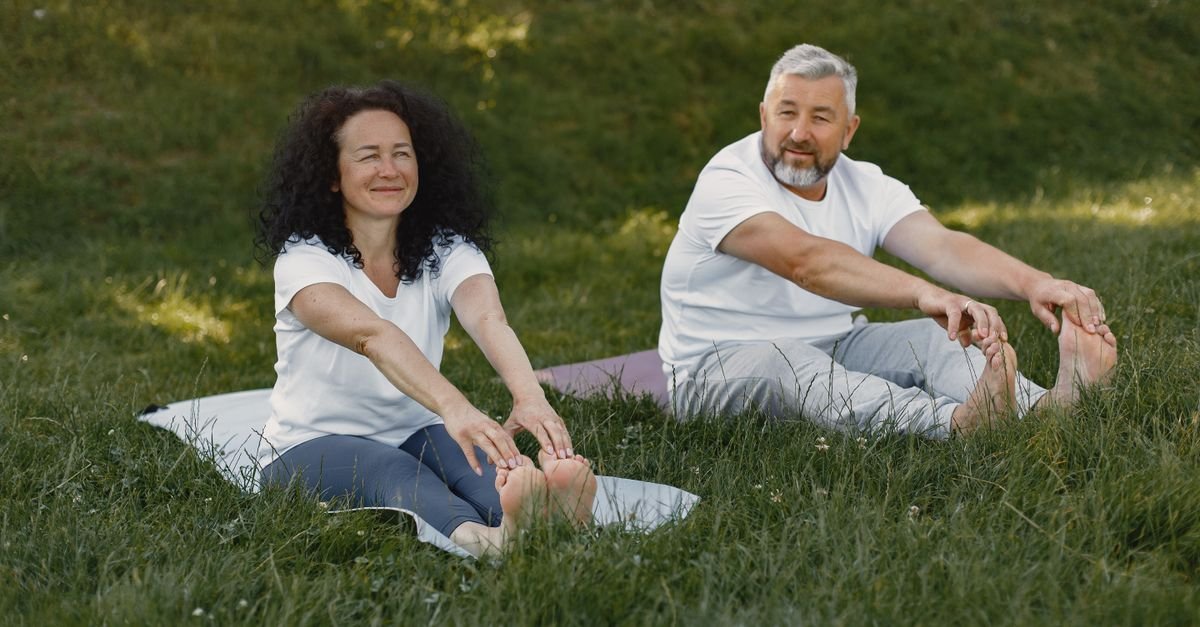
You also do not need a gym membership to be active. You need opportunities to move. Take the stairs. Walk while you take a phone call. Stretch during a work break. Play music and move around the kitchen. The goal is to break up long periods of sitting and add more movement into your normal day.
Walking Is Underrated
Walking is simple, accessible, and surprisingly powerful. A brisk walk can support heart health, mood, creativity, and blood sugar management. It is also a low-pressure way to start moving if you have been inactive. A daily walk is not glamorous, but it is one of the most reliable health tips for a longer, happier life because it is easy to repeat.
Strength Training Protects Your Future
Muscle is not just for athletes. It helps you carry groceries, climb stairs, catch yourself if you trip, and stay independent as you age. You do not need to become a bodybuilder. Two short strength sessions a week can make a meaningful difference. Bodyweight exercises, resistance bands, or light weights are enough to start.
Manage Stress Before It Manages You
Stress is not always the enemy. It can sharpen your focus and help you rise to a challenge. The problem is chronic stress that never turns off. When your body stays in alert mode for weeks or months, sleep suffers, digestion suffers, mood suffers, and healthy choices get harder. You need ways to discharge stress, not just endure it.
Start by noticing your personal warning signs. Do you clench your jaw? Snap at small things? Feel wired but tired? Those signals are useful. They tell you it is time to step back, breathe, move, or ask for help. Managing stress is not about becoming calm all the time. It is about building recovery into the day.
Breathe Like You Mean It
Slow breathing is a quick way to signal safety to your nervous system. Try inhaling for four counts, holding for four, and exhaling for six. The long exhale matters. It is like easing your foot off the gas pedal. You can do this at your desk, in traffic, or before a difficult conversation. It will not solve every problem, but it can help you respond instead of react.
Protect Your Off-Switch
Your body needs clear signals that the workday is over. Otherwise, stress keeps humming in the background. Create a small transition ritual: change clothes, take a short walk, stretch, listen to music, or put your phone in another room for a while. It does not have to be elaborate. It just has to tell your brain, “We are done for now.”
Cultivate Real Connection
Humans are not designed to thrive in isolation. We need people who know us, challenge us, support us, and make us laugh. Strong relationships can buffer stress and make hard seasons easier to carry. They also give you reasons to take care of yourself. When you feel connected, healthy habits stop being a solo project and become part of a life you want to protect.
Connection does not require a huge social calendar. It requires a few honest relationships and some effort to keep them alive. A text, a walk, a shared meal, or a quick call can do more than you think. The point is not quantity. It is feeling seen and being able to see others in return.
Friendships Are Health Infrastructure
Treat friendships like part of your health routine, not an optional extra. Schedule time together. Check in without waiting for a crisis. Be the person who reaches out first sometimes. It may feel awkward, but most people are happy to hear from someone who cares. Social health is not fluffy. It is foundational.
Make Room for Laughter
Laughter is a pressure valve. It lowers tension, strengthens bonds, and reminds you that life is not only a list of responsibilities. Watch something silly. Tell a bad joke. Spend time with the friend who makes you snort. Joy is not a distraction from health. It is part of the point.
Protect Your Mind With Purpose and Curiosity
A longer life needs something to look forward to. Purpose does not have to mean a grand mission. It can be raising a family, building a garden, mentoring someone, creating art, volunteering, or simply being a reliable friend. Purpose gives your days shape and helps you keep going when motivation dips.
Curiosity keeps your mind flexible. It encourages learning, problem-solving, and connection. When you stay curious, you are less likely to shrink your world as you age. You keep asking questions, trying new things, and meeting new people. That is a quiet longevity habit.
Keep Learning
Learn a language, take a cooking class, read about a topic you know nothing about, or pick up a hobby that makes you feel like a beginner again. Learning can be uncomfortable, but that discomfort is often a sign of growth. It keeps your brain engaged and your identity from becoming too rigid.
Practice Gratitude Without Faking It
Gratitude is not about pretending everything is fine. It is about noticing what is still good while you deal with what is hard. Write down one small thing that went well. Tell someone why you appreciate them. Notice a pleasant moment before it slips away. This practice can shift your attention without denying reality.
Build a Happier Relationship With Food
Food should not feel like a courtroom where every bite is judged. A happier relationship with food includes nourishment, pleasure, culture, and flexibility. You can care about health without turning meals into a test. You can enjoy dessert without calling it a failure. The more peace you have around food, the easier it becomes to choose well over time.
One useful shift is to think in terms of addition rather than subtraction. Instead of asking what you should cut out, ask what you can add. Add vegetables. Add water. Add a protein source. Add color. Add a pause before eating. This keeps the focus on abundance rather than deprivation.
Slow Down at Meals
Eating quickly makes it harder to notice fullness and enjoyment. Slow down just a little. Put your fork down between bites. Chew. Take a breath. Notice the taste. This is not about perfect mindfulness. It is about giving your body a chance to catch up with your fork.
Hydration Is a Quiet Superpower
Water supports energy, digestion, focus, and temperature control. Mild dehydration can make you feel tired or foggy before you even feel thirsty. Keep a water bottle where you can see it. Drink with meals. Add a glass before coffee. These small cues make hydration automatic instead of another thing to remember.
Make Preventive Care a Normal Habit
It is easy to ignore health appointments when you feel fine. But preventive care is like changing the oil in your car. You do it before something breaks. Regular checkups, screenings, dental visits, and vaccinations help catch problems early and keep small issues from becoming big ones.
Preventive care is not just about tests. It is also about talking honestly with your doctor about sleep, stress, mood, movement, and family history. You are not wasting their time by bringing up the small stuff. Small stuff matters.
Know Your Numbers
Blood pressure, cholesterol, blood sugar, and other measurements give you useful information. You do not need to obsess over every number, but you should know where you stand. Track trends over time. Ask questions if something changes. Knowledge gives you options.
Schedule the Boring Stuff
Book the appointment. Set the reminder. Put the screening on the calendar. Boring tasks are easy to postpone, which is exactly why they need a system. Treat preventive care like any other important commitment, not something you will get to when life slows down.
Create an Environment That Makes Healthy Choices Easy
Your environment is quietly shaping your choices all day. If fruit is on the counter and chips are on the top shelf, you will probably eat more fruit. If your walking shoes are by the door, you are more likely to walk. If your phone charges outside the bedroom, you are less likely to scroll late at night. You do not need more willpower. You need better defaults.
Use Defaults to Your Advantage
Make the healthy choice the easy choice. Keep water in the fridge. Prep a vegetable or two at the start of the week. Lay out workout clothes. Set a bedtime alarm. Put tempting snacks out of sight. Small environmental tweaks reduce the number of decisions you have to make when you are tired.
Reduce Friction, Not Willpower
Willpower is a limited resource. Friction is what slows you down or speeds you up. If exercise requires finding your shoes, filling a bottle, driving twenty minutes, and paying for parking, you will skip it more often. If it requires walking out your front door, you will do it more. Lower the friction for habits you want and raise it for habits you want less of.
Embrace Moderation and Flexibility
All-or-nothing thinking is a trap. One missed workout does not ruin your health. One dessert does not undo your progress. One busy week does not erase your habits. The healthier approach is to bend without breaking. You are looking for a pattern, not a perfect record.
Moderation is not boring. It is sustainable. It leaves room for birthdays, holidays, travel, and spontaneous fun. It also makes you less likely to swing from strict rules to total abandon. Flexibility is not a loophole. It is how healthy habits survive real life.
The 80/20 Rule Works for Health
Try to make nourishing choices most of the time and leave room for less nutritious favorites some of the time. Maybe that means balanced meals during the week and a relaxed weekend breakfast. Maybe it means mostly home-cooked food with room for takeout when you are exhausted. The ratio matters less than the overall direction.
Avoid All-or-Nothing Thinking
When you slip, do not throw the whole day away. The next choice matters more than the last one. Missed your morning walk? Take a short one after dinner. Ate more than you planned? Return to your normal pattern at the next meal. The fastest way to recover is to skip the guilt spiral and get back to the basics.
Conclusion: Longevity Is Built in Ordinary Moments
Health tips for a longer, happier life are not about becoming a different person. They are about supporting the person you already are. Sleep well. Eat real food most of the time. Move in ways that feel good. Manage stress before it builds up. Stay close to people who matter. Keep learning, laughing, and caring for your body. None of these habits is flashy on its own, but together they create a life with more energy, resilience, and joy. Start small. Repeat often. Let the ordinary moments do the heavy lifting.
FAQs About Health Tips for a Longer, Happier Life
1. What is the single most important habit for a longer, happier life?
There is no single magic habit, but sleep is a strong starting point because it affects nearly everything else. Good sleep supports mood, energy, decision-making, and physical recovery. Once sleep improves, healthy eating, movement, and stress management usually become easier too.
2. How long does it take to see results from healthier habits?
Some benefits show up quickly. A short walk can improve your mood the same day. Better hydration can help you feel more alert within hours. Other changes, like improved strength, heart health, or long-term metabolic health, take weeks or months. The key is consistency, not speed.
3. Do I need a strict diet and intense workouts to live longer?
No. Strict diets and intense workouts are not required for most people, and they often backfire because they are hard to sustain. A balanced eating pattern, regular movement, good sleep, stress management, and social connection can go a long way without extreme rules.
4. Can social connection really affect physical health?
Yes. Strong relationships can help reduce stress, support mental health, and encourage healthier behaviors. Feeling connected gives you reasons to care for yourself and makes difficult seasons easier to handle. Social health is a real part of overall health.
5. What should I do if I keep breaking healthy habits?
Make the habit smaller and easier. If you keep missing a thirty-minute workout, aim for ten minutes. If you keep forgetting water, put a bottle where you can see it. Focus on reducing friction and rebuilding consistency instead of scolding yourself. A small habit you repeat beats a big habit you abandon.