Table of Contents
- Carbon Monoxide Safety for Every Household
- Why Carbon Monoxide Is Called the Invisible Threat
- How Carbon Monoxide Gets Into Your Home
- Common Fuel-Burning Appliances and Systems
- Hidden Risks: Garages, Generators, and Grills
- Warning Signs You Should Never Ignore
- Physical Symptoms of Carbon Monoxide Poisoning
- What Your Carbon Monoxide Alarm Is Telling You
- Carbon Monoxide Alarms: The First Line of Defense
- Where to Install Carbon Monoxide Alarms
- Placement Mistakes to Avoid
- Testing, Maintenance, and Replacement
- Ventilation and Appliance Maintenance Basics
- Annual Inspections: What a Professional Should Check
- DIY Checks vs. Professional Service
- What to Do If Your Carbon Monoxide Alarm Goes Off
- Step-by-Step Emergency Response
- When to Call 911 vs. Your Gas Company
- Carbon Monoxide Safety for Renters and Apartments
- Protecting Children, Pets, and High-Risk Family Members
- Myths About Carbon Monoxide Safety
- Building a Household Safety Plan
- Conclusion
- FAQs
Carbon Monoxide Safety for Every Household
Carbon monoxide doesn’t announce itself. It doesn’t knock, doesn’t smell, and doesn’t make a sound. That’s what makes it so dangerous. You could be watching TV, cooking dinner, or sleeping, and this invisible gas could be building up in your home without you knowing it. Scary? Absolutely. But here’s the good news: carbon monoxide safety isn’t complicated. It’s mostly about awareness, a few smart habits, and the right alarms in the right places.
Whether you live in a brand-new apartment, a cozy old house, or a rental with a landlord who “forgets” things, carbon monoxide safety matters. Let’s walk through it together, step by step, without the jargon and without the panic. Think of this as your practical household guide to keeping the silent threat outside where it belongs.
Why Carbon Monoxide Is Called the Invisible Threat
Carbon monoxide, often shortened to CO, is a gas produced when fuels like gas, oil, wood, coal, or propane don’t burn completely. It has no color, no odor, and no taste. You can’t see it, smell it, or notice it on your tongue. That’s why it’s nicknamed the invisible threat.
Here’s the part that really matters: when you breathe in CO, it enters your bloodstream and latches onto hemoglobin, the stuff in your red blood cells that normally carries oxygen. CO binds to hemoglobin much more easily than oxygen does. So instead of delivering oxygen to your brain, heart, and muscles, your blood starts carrying this imposter. Your body slowly suffocates from the inside, even though you’re still breathing.
It’s a bit like inviting a quiet stranger into your home. At first, nothing seems wrong. Then you feel tired, confused, or sick. By the time you realize something is off, the stranger has already taken over the room. That’s why prevention and early detection are everything.
How Carbon Monoxide Gets Into Your Home
CO doesn’t need a dramatic entrance. It usually sneaks in through everyday appliances and habits. Any device that burns fuel can produce carbon monoxide if it’s not working properly, poorly vented, or used in the wrong place. The key is incomplete combustion. When fuel burns cleanly, you get mostly carbon dioxide and water vapor. When it burns poorly, you get CO.
Common causes include blocked chimneys, cracked furnace heat exchangers, backdrafting from water heaters, running a car in an attached garage, or using a generator too close to a window. Sometimes the problem is mechanical. Sometimes it’s simply human error. Either way, the result is the same: CO builds up indoors.
Common Fuel-Burning Appliances and Systems
Take a mental tour of your home. What burns fuel? Your furnace, water heater, gas stove, gas dryer, fireplace, wood stove, space heater, and maybe a backup generator. Even a gas range can produce small amounts of CO, which is why you should always use the exhaust fan when cooking and never use the oven to heat your home.
Older appliances are often more suspect, but new ones aren’t automatically safe. A brand-new furnace can still be installed incorrectly. A clean-looking chimney can still be blocked by a bird’s nest. Regular maintenance is what keeps these systems from turning into hidden hazards.
Hidden Risks: Garages, Generators, and Grills
Let’s talk about the habits that cause a lot of preventable CO poisonings. Running a generator indoors or in a garage is a huge no. Even with the garage door open, CO can accumulate fast and seep into your living space. Portable generators belong outside, far away from doors, windows, and vents—at least 20 feet is a good rule of thumb.
Grills and camp stoves are another trap. Charcoal grills produce plenty of CO. Never use them inside a house, garage, tent, or camper. And that car warming up in the attached garage? Even a few minutes can send CO into your home. Start it outside or make sure the garage is fully detached and well-ventilated.
Warning Signs You Should Never Ignore
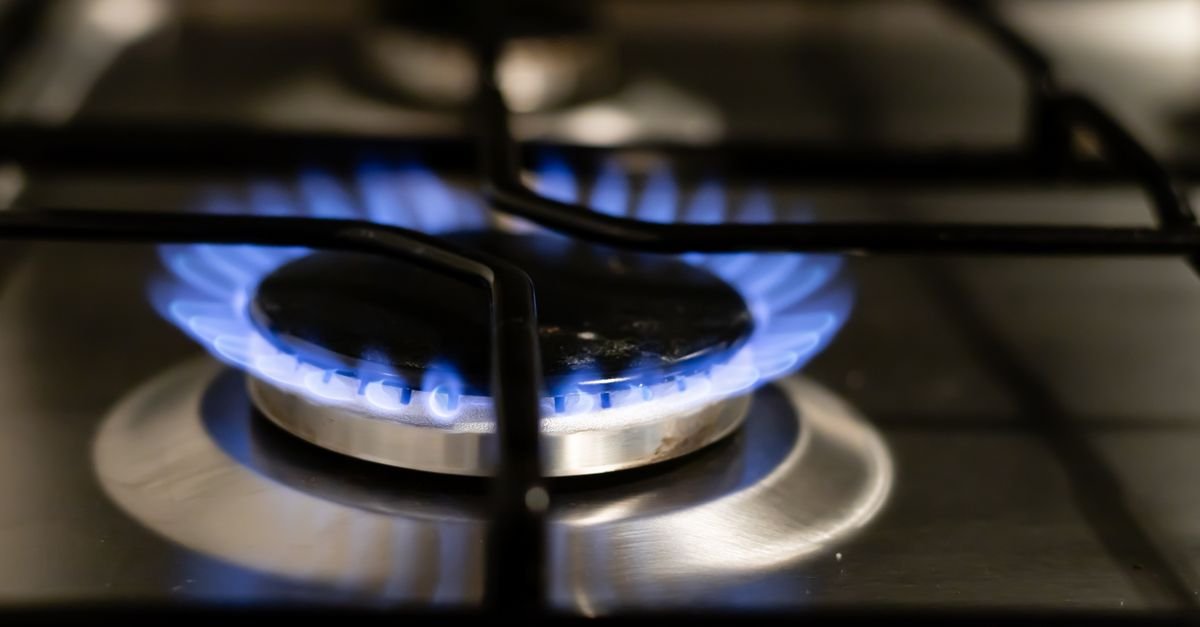
Your home might give you clues before a CO alarm ever sounds. They’re subtle, but they’re there. A yellow or orange flame on a gas appliance instead of a crisp blue flame. Soot streaks around a furnace or water heater. Excess moisture on windows near a fuel-burning appliance. A strange, stale smell that you can’t quite place. These can all point to incomplete combustion.
Backdrafting is another red flag. That’s when exhaust gases get pulled back into your home instead of going up the chimney. You might notice it when you run the bathroom fan or dryer and the air feels heavy or stuffy near the water heater. If something feels off, trust your nose and your instincts. Then call a professional.
Physical Symptoms of Carbon Monoxide Poisoning
CO poisoning often feels like the flu—without the fever. You might get a headache, dizziness, nausea, weakness, or confusion. Shortness of breath and chest pain can show up too. The symptoms can come on gradually, or they can hit hard and fast, depending on the concentration and how long you’ve been exposed.
Pay attention to patterns. Does everyone in the house feel sick at the same time? Do you feel better when you leave home and worse when you come back? Are your pets acting lethargic or confused? Animals are often affected early because they’re smaller and closer to the ground. If you suspect CO, get everyone outside immediately and call for help.
What Your Carbon Monoxide Alarm Is Telling You
Not all beeps mean the same thing. A continuous, loud alarm means dangerous CO levels are present. Chirping usually means a low battery or end-of-life warning. If your alarm has a digital display, it may show a CO reading in parts per million. Learn your specific model’s signals before an emergency happens.
Never treat a CO alarm like a nuisance. Don’t press the silence button and go back to bed. Don’t assume it’s a false alarm because you don’t smell anything. CO alarms are designed to catch what your senses cannot. Treat every alarm as real until a professional tells you otherwise.
Carbon Monoxide Alarms: The First Line of Defense
If you don’t have CO alarms, stop reading for a second and make a plan to get them. Seriously. They’re affordable, easy to install, and they save lives. Look for alarms that meet the latest safety standards, such as UL 2034. Combination smoke and CO alarms are great because they cover two dangers in one device.
Choose alarms with battery backup and digital displays if possible. A digital display shows you the CO level, which can help you decide how urgent the situation is. Some smart alarms can send alerts to your phone, which is helpful when you’re away. But fancy features don’t replace basic placement and maintenance.
Where to Install Carbon Monoxide Alarms
Think of your home like a layered defense system. Install a CO alarm outside every sleeping area, on every level of the home, and in the basement. If you have an attached garage, put one near the door that connects the garage to the house. If you have a fuel-burning appliance in a specific room, follow the manufacturer’s instructions for placement.
Interconnected alarms are ideal. When one alarm sounds, they all sound. That way, if CO builds up in the basement while you’re asleep upstairs, you’ll still hear the warning. If you’re not sure where to start, your local fire department can often give free advice.
Placement Mistakes to Avoid
Don’t hide alarms behind furniture, curtains, or doors. Don’t put them in dead-air corners where air doesn’t circulate. Avoid placing them directly next to fuel-burning appliances, because small amounts of CO during start-up can cause nuisance alarms. Also, keep them away from bathrooms and kitchens where humidity, steam, or cooking fumes can interfere.
CO mixes with air, so it doesn’t necessarily rise or sink like smoke. That means you don’t have to put CO alarms only near the ceiling or only near the floor. Follow the manufacturer’s instructions, and don’t overthink the height. The bigger issue is coverage and maintenance.
Testing, Maintenance, and Replacement
Test your alarms once a month. Press the test button and make sure the alarm actually sounds. Vacuum the vents or wipe them with a soft brush to remove dust. Replace batteries at least twice a year, or whenever the alarm chirps. Many people do it when they change their clocks for daylight saving time.
CO alarms don’t last forever. Sensors degrade over time. Most need to be replaced every five to seven years, sometimes up to ten, depending on the model. Write the installation date on the back with a marker. When the end-of-life chirp starts, don’t ignore it. Replace the whole unit.
Ventilation and Appliance Maintenance Basics
Good ventilation is like giving your home room to breathe. Make sure chimneys, flues, and vents aren’t blocked by leaves, snow, bird nests, or debris. Keep space around your furnace and water heater clear. Don’t stack boxes or store flammable materials near them. Use kitchen and bathroom exhaust fans when needed, but don’t run them constantly if they cause backdrafting.
Never use a gas oven or stove to heat your home. Never run a gas-powered generator, pressure washer, or lawn mower inside a garage or basement. If you have a fireplace, get the chimney cleaned and inspected regularly. These small habits add up to a much safer house.
Annual Inspections: What a Professional Should Check
Once a year, have a qualified technician inspect your heating system, water heater, and any other fuel-burning appliances. They should check the heat exchanger for cracks, clean the burners, test the flame, and measure CO levels in the flue gases. They should also verify that the appliance is venting properly and that there’s enough combustion air.
A chimney sweep should inspect and clean your chimney and fireplace. If you live in a rental, your landlord should arrange these inspections. If they don’t, put your request in writing. It’s not just a good idea—it’s often required by law.
DIY Checks vs. Professional Service
You can handle some things yourself. Test alarms, replace batteries, vacuum vents, check for visible soot or corrosion, and keep vents clear. You can also listen for unusual sounds and watch for yellow flames. But don’t try to repair gas lines, open a sealed furnace, or adjust combustion settings on your own.
CO problems often come from subtle issues that require special tools and training. A combustion analyzer, for example, can measure CO levels that your nose and eyes will never detect. Call a pro when something seems wrong. It’s cheaper than a hospital bill and safer than guessing.
What to Do If Your Carbon Monoxide Alarm Goes Off
First, don’t panic. Panic makes it harder to think. But do act quickly. If the alarm sounds and anyone has symptoms like headache, dizziness, nausea, or confusion, get everyone outside immediately. Don’t stop to open windows or pack bags. Fresh air is the priority. Call 911 or your local fire department from outside.
If no one has symptoms, you still shouldn’t ignore it. Open doors and windows on your way out, turn off fuel-burning appliances if you can do so safely, and leave the building. Call the fire department or a qualified technician to investigate. Don’t re-enter until they say it’s safe.
Step-by-Step Emergency Response
- Get out: Move everyone, including pets, to fresh air immediately.
- Call for help: Dial 911 or your local emergency number from outside.
- Account for everyone: Make sure no one went back inside.
- Seek medical care: If anyone feels sick, tell the paramedics about the CO alarm.
- Don’t re-enter: Wait for firefighters or utility professionals to clear the home.
If you can safely open a window or door while leaving, fine. But don’t waste time. CO leaves your body slowly, and continued exposure can cause permanent damage or death. The few seconds you save by grabbing your phone or coat could cost you everything.
When to Call 911 vs. Your Gas Company
If your CO alarm sounds, call 911 or the fire department first. They can check for CO, ventilate the home, and determine whether it’s safe to go back inside. If you smell gas or suspect a natural gas leak, leave immediately and call 911 or your gas company from outside.
Your gas company or HVAC company is for repairs and inspections after the emergency is under control. Don’t call them first if you’re in immediate danger. Emergency responders are trained to handle the scene safely. Once they give the all-clear, then schedule repairs.
Carbon Monoxide Safety for Renters and Apartments
Renting doesn’t mean you’re powerless. In many places, landlords are required to provide and maintain CO alarms. Check your local laws and your lease. If your apartment doesn’t have a CO alarm, ask for one in writing. If it has one, test it and report any problems to your landlord immediately.
Shared ventilation systems can be tricky. CO from a neighbor’s appliance or a shared boiler room can sometimes migrate into your unit. Keep your own alarms in good working order, and don’t rely on someone else’s device. If you ever feel dizzy or sick at home and better when you leave, take it seriously and call for help.
Protecting Children, Pets, and High-Risk Family Members
Some people are more vulnerable to CO poisoning. Infants, young children, older adults, pregnant women, and people with heart or lung conditions can be affected faster. Pets are also at high risk because of their smaller body size and because they can’t tell you they feel dizzy or nauseous.
If your dog suddenly seems lethargic or your cat is hiding more than usual, don’t assume it’s just a mood. Look for other signs like vomiting, confusion, or difficulty breathing. If multiple family members—human or furry—feel unwell at the same time, get outside and call for help. Your pets depend on you to notice what they can’t say.
Myths About Carbon Monoxide Safety
Let’s bust a few myths. Myth one: “I’d smell it if there were a problem.” False. CO has no smell. Myth two: “My smoke alarm will catch it.” Usually false. Smoke alarms detect smoke, not CO. You need a dedicated CO alarm or a combination unit.
Myth three: “It only happens in old homes.” Not true. New homes can have improperly installed appliances or blocked vents. Myth four: “Opening a window makes it safe.” A window might help ventilate, but it doesn’t fix the source. Myth five: “CO alarms last forever.” Nope. Sensors wear out and need replacement.
Knowing the myths helps you avoid dangerous shortcuts. When it comes to CO, the truth is simple: detect it, prevent it, and respond quickly if it appears.
Building a Household Safety Plan
Every home should have a CO safety plan, just like a fire escape plan. Start by identifying all fuel-burning appliances and their locations. Install CO alarms on every level and outside sleeping areas. Test them monthly and replace batteries regularly. Schedule annual professional inspections.
Teach everyone in the house what the CO alarm sounds like and what to do when it goes off. Practice leaving the home quickly. Choose a meeting spot outside, like the mailbox or a neighbor’s driveway. Make sure kids know never to go back inside for a toy or a pet. If you have pets, include them in your plan.
Finally, keep important numbers handy: 911, your fire department, your gas company, and a qualified HVAC technician. Store them in your phone and on the fridge. A little preparation today can prevent a tragedy tomorrow.
Conclusion
Carbon monoxide safety isn’t about living in fear. It’s about living with awareness. You don’t need to be a technician or a safety expert. You just need working alarms, a few smart habits, and a plan for what to do if something goes wrong. CO is invisible, but its dangers are not unavoidable.
Install alarms where they matter. Test them. Replace them when they age out. Keep vents clear, maintain your appliances, and never bring fuel-burning devices indoors. If an alarm sounds, get outside and call for help. These simple steps can protect your family, your pets, and your peace of mind. Do them today—not someday.
FAQs
Q: How many carbon monoxide alarms should I have in my home?
At minimum, you should have one CO alarm on every level of your home and one outside each sleeping area. If you have an attached garage or basement, add one there too. More coverage means earlier warning.
Q: Can a carbon monoxide alarm detect a natural gas leak?
Usually, no. A standard CO alarm detects carbon monoxide, not natural gas. If you want protection from both, look for a combination detector or separate natural gas alarm. If you smell gas, leave immediately and call 911 or your gas company.
Q: What should I do if my CO alarm chirps once every minute?
A single chirp usually means low battery or end-of-life. Replace the battery first. If it still chirps, check the manufacturer’s instructions. If the unit is past its replacement date, get a new one. Never remove the battery and forget about it.
Q: How often should carbon monoxide alarms be replaced?
Most CO alarms should be replaced every five to seven years, though some models last up to ten. Check the manufacturer’s manual. Write the installation date on the back so you don’t lose track.
Q: Is it safe to use a portable generator in my garage if the door is open?
No. Even with the door open, CO can build up quickly and seep into your home. Always run generators outside, at least 20 feet away from doors, windows, and vents. Never run one in a garage, basement, or enclosed porch.